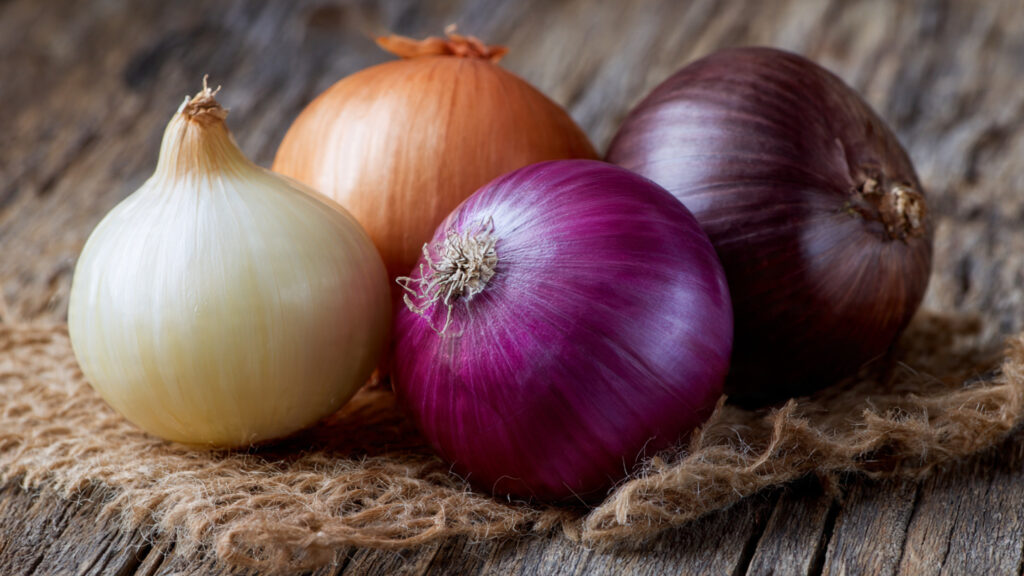
Onions are one of the most widely used vegetables worldwide, appearing in cuisines from every continent. Beyond their pungent flavor and versatility in cooking, onions pack a surprising array of health benefits. They are rich in vitamins, minerals, and bioactive compounds that support overall well-being. Regular consumption of onions has been linked to improved heart health, stronger immunity, better digestion, and even cancer prevention.
In this article, we’ll explore the 10 key health benefits of onions and explain why including them in your daily diet can be a simple yet powerful way to boost your health.
1. Rich in Antioxidants
Onions are loaded with antioxidants, which help neutralize harmful free radicals in the body. These free radicals can damage cells and contribute to chronic diseases such as heart disease, diabetes, and cancer.
Key antioxidants in onions include:
- Quercetin: A flavonoid with strong anti-inflammatory and antioxidant properties.
- Sulfur compounds: Help reduce oxidative stress and support liver detoxification.
Including onions in your diet, especially raw, preserves these antioxidants and maximizes their benefits. Even cooking lightly can retain most of their protective compounds.
2. Supports Heart Health
Heart disease remains one of the leading causes of death worldwide, and onions can help protect cardiovascular health in several ways:
- Lower blood pressure: Quercetin in onions has been shown to reduce high blood pressure in some studies.
- Reduce cholesterol levels: Onions may lower LDL (bad cholesterol) while maintaining HDL (good cholesterol).
- Prevent blood clots: Certain compounds in onions have mild anticoagulant effects, reducing the risk of clot formation.
Adding onions to your meals regularly can be a simple step toward a heart-healthy diet.
3. Boosts Immunity
Onions are rich in vitamins and minerals that support the immune system, including vitamin C and phytochemicals with antimicrobial properties.
How onions strengthen immunity:
- Vitamin C promotes the production of white blood cells, which fight infections.
- Sulfur compounds may help inhibit bacterial and viral growth.
- Quercetin has antiviral and anti-inflammatory effects, reducing the severity of infections.
Including onions in soups, stews, or raw salads can help your body stay resilient against common illnesses.
4. Anti-Inflammatory Properties
Chronic inflammation is linked to many diseases, including arthritis, diabetes, and heart disease. Onions contain compounds that act as natural anti-inflammatory agents:
- Quercetin: Helps reduce inflammation in blood vessels and tissues.
- Sulfur compounds: Modulate the body’s inflammatory response.
Regular consumption of onions may help reduce chronic inflammation, promoting better long-term health.
5. Cancer-Fighting Potential
Onions contain bioactive compounds that may help protect against certain cancers, including stomach, colorectal, and prostate cancers.
Protective compounds in onions:
- Organosulfur compounds: Shown to inhibit cancer cell growth in laboratory studies.
- Flavonoids: Reduce oxidative damage to DNA and slow tumor development.
While onions are not a cure, incorporating them into a balanced diet can contribute to cancer prevention strategies.
➡️ How to Grow Malabar Spinach from Cuttings for Fast, Easy Greens
➡️ How to Grow Super Delicious Cabbage at Home Without a Garden
➡️ How to Grow Bean Sprouts at Home in Plastic Bottles Easily (Step‑by‑Step Guide)
➡️ Why is Your Lemon Tree Blooming in the Heart of Winter?
➡️ Why Should Your Garden Have a Dedicated Pollinator Highway?
➡️ Why Do Your Fruit Trees Need a Winter Wash to Thrive in Spring?
➡️ How Can Rice Water Transform Your Fruits into Sweeter Delights?
➡️ Jumpstart Your Winter Garden: Seed Starting Under Lights
6. Regulates Blood Sugar
For individuals with diabetes or prediabetes, onions may help regulate blood sugar levels.
Mechanisms include:
- Sulfur compounds: Improve insulin sensitivity.
- Quercetin: Helps regulate blood sugar and reduce oxidative stress.
Eating onions as part of meals may help maintain steady blood sugar, especially when combined with a diet rich in fiber and whole grains.
7. Promotes Digestive Health
Onions are a natural source of prebiotics, which are non-digestible fibers that feed healthy gut bacteria.
Benefits for digestion include:
- Improved gut microbiome balance.
- Enhanced nutrient absorption.
- Reduced risk of digestive disorders like constipation or irritable bowel syndrome.
Including onions in cooked or raw dishes ensures you get both fiber and prebiotic benefits.
8. Supports Bone Health
Several studies suggest that onions may help maintain strong bones, particularly in older adults.
Bone-healthy compounds in onions:
- Sulfur compounds: Stimulate bone-forming cells.
- Flavonoids: Reduce bone loss by inhibiting inflammation and oxidative stress.
- Calcium and magnesium content: Essential for bone density and strength.
Regular consumption of onions, combined with a balanced diet and exercise, may help reduce the risk of osteoporosis.
9. Improves Respiratory Health
Onions have traditionally been used to relieve respiratory issues like coughs, colds, and asthma.
How onions support the respiratory system:
- Antioxidants and sulfur compounds reduce inflammation in airways.
- Quercetin has natural antihistamine properties, which may alleviate allergy symptoms.
- Antimicrobial compounds may help combat respiratory infections.
Incorporating onions into teas, soups, or broths can provide soothing effects during cold and flu season.
10. Enhances Skin and Hair Health
The nutrients in onions benefit not just internal health but also skin and hair:
- Vitamin C: Supports collagen production for healthy skin.
- Sulfur compounds: Promote hair growth and prevent breakage.
- Antioxidants: Protect skin from premature aging caused by free radicals.
Onion juice is sometimes applied topically for hair health, while including onions in your diet contributes to skin and hair vitality from within.
Tips for Getting the Most Health Benefits
- Eat Raw When Possible: Raw onions retain the highest concentration of antioxidants and sulfur compounds.
- Cook Lightly: If cooking, avoid overcooking to preserve nutrients. Quick sautéing or roasting is ideal.
- Use Whole Onions: Red, yellow, and white onions each provide unique phytonutrients. Red onions are especially rich in flavonoids.
- Pair With Healthy Foods: Onions enhance the absorption of other nutrients, such as the iron from plant-based foods.
- Include in Every Meal: Soups, salads, stir-fries, and sauces are easy ways to enjoy onions daily.
By using onions consistently in your diet, you maximize their wide-ranging health benefits.
Conclusion
Onions are much more than a flavorful kitchen staple—they are a powerhouse of nutrition and health-promoting compounds. From antioxidants and anti-inflammatory agents to blood sugar regulation, heart support, and even cancer-fighting properties, onions offer multiple benefits with minimal effort.
Incorporating onions into your meals is simple, versatile, and cost-effective. Raw, cooked, or lightly sautéed, onions provide essential nutrients, support immunity, and enhance overall wellness. Their ability to promote digestion, bone strength, respiratory health, and skin and hair vitality makes them an indispensable addition to a healthy diet.
Whether you are a seasoned home cook or a health-conscious eater, embracing the humble onion can be one of the easiest and most effective ways to boost your long-term health. From everyday meals to specialty dishes, onions are a small vegetable with a huge impact—truly a superfood you can enjoy every day.