February is often considered the tail end of winter, but for gardeners, it is the perfect month to prepare for the upcoming growing season. While it may still be chilly outside, February is packed with opportunities to get a head start on your garden. From pruning to sowing seeds indoors, here are 10 must-do gardening jobs to ensure your garden thrives in the months ahead.
1. Plan Your Garden Layout for Spring
Before you even touch the soil, February is the ideal time to plan your garden layout for spring. Take stock of your garden space and consider what you want to plant this year. Create a sketch or a planting plan that includes vegetables, flowers, and herbs, taking into account companion planting and crop rotation if you grow edibles.
Planning ahead helps you make the most of your garden space and ensures that your plants receive the nutrients and light they need to flourish. Don’t forget to consider paths, raised beds, and containers to optimize every inch of your garden.
2. Prune Trees and Shrubs
Winter pruning is essential for the health of your trees and shrubs. February is the perfect time to prune dormant fruit trees, such as apples and pears, as well as roses and other deciduous shrubs.
Remove any dead, damaged, or diseased branches to encourage healthy growth. Proper pruning not only improves airflow and sunlight penetration but also enhances flowering and fruit production in the spring and summer. Remember to use clean, sharp tools to prevent injury to the plant and reduce the risk of infection.
3. Prepare Garden Soil
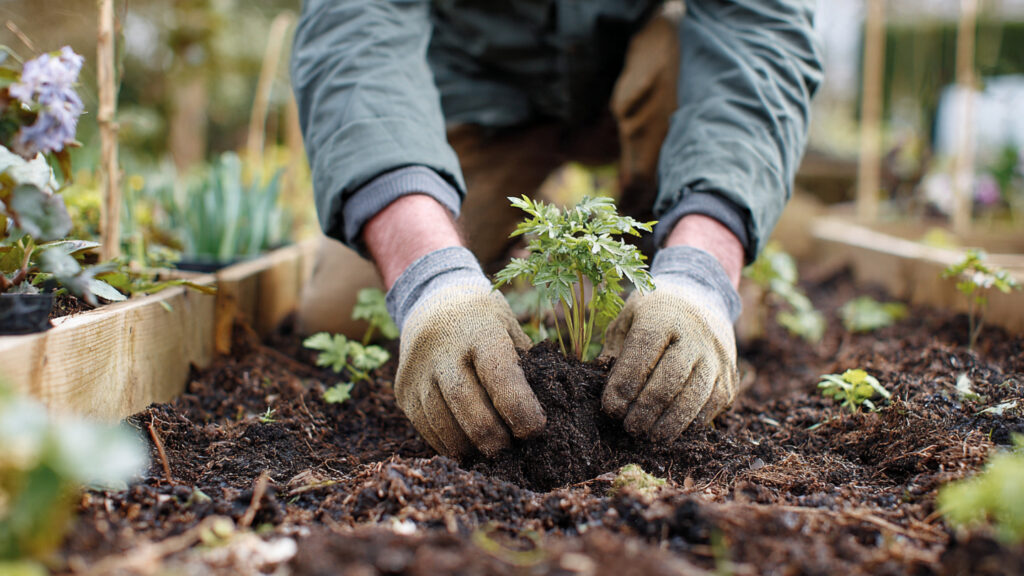
Healthy soil is the foundation of a thriving garden. February is an excellent month to prepare your garden beds for spring planting. Begin by clearing weeds and debris from your beds, then add organic matter such as compost or well-rotted manure.
Turning over the soil helps improve drainage and aeration, making it easier for roots to grow. If your soil is heavy clay, consider adding grit or sand to improve texture. Testing your soil’s pH can also be beneficial—most plants thrive in a slightly acidic to neutral pH of 6–7.
4. Start Seeds Indoors
Many plants need a head start before the outdoor planting season begins. February is perfect for starting seeds indoors, especially for vegetables such as tomatoes, peppers, and aubergines.
Use seed trays, a quality seed compost, and a warm, well-lit spot to encourage germination. Keep the soil consistently moist but not waterlogged, and thin seedlings once they have grown their first set of true leaves. Starting seeds indoors gives you a jump on the growing season and ensures strong, healthy plants when it’s time to transplant them outdoors.
5. Feed Houseplants
Your indoor plants may still be in their slower winter phase, but February is an excellent time to feed and care for houseplants. Use a balanced liquid fertilizer to boost growth and check for signs of pests, such as spider mites or aphids.
Repot any plants that have outgrown their containers and refresh the soil to provide essential nutrients. Ensuring that your indoor plants stay healthy during the winter months means they’ll be ready to thrive when spring arrives.
6. Protect Plants from Frost
Late winter frosts can still damage vulnerable plants, so it’s essential to protect tender perennials and newly planted shrubs. Cover them with horticultural fleece, cloches, or even simple garden fabrics during cold nights.
Mulching around the base of plants helps insulate roots and conserve moisture. Pay special attention to young fruit trees, container plants, and herbaceous perennials. A little protection now can prevent significant damage later and save you time and money on replacements.
7. Maintain Garden Tools
A well-maintained set of garden tools makes all gardening tasks easier. February is a good time to sharpen, clean, and oil your tools in preparation for the busy spring season.
Check for broken handles, rusty spades, or dull pruners. Cleaning and disinfecting your tools after use also helps prevent the spread of diseases between plants. Well-maintained tools will last longer and make your gardening experience much more enjoyable.
➡️ How to Grow Malabar Spinach from Cuttings for Fast, Easy Greens
➡️ How to Grow Super Delicious Cabbage at Home Without a Garden
➡️ How to Grow Bean Sprouts at Home in Plastic Bottles Easily (Step‑by‑Step Guide)
➡️ Why is Your Lemon Tree Blooming in the Heart of Winter?
➡️ Why Should Your Garden Have a Dedicated Pollinator Highway?
➡️ Why Do Your Fruit Trees Need a Winter Wash to Thrive in Spring?
➡️ How Can Rice Water Transform Your Fruits into Sweeter Delights?
➡️ Jumpstart Your Winter Garden: Seed Starting Under Lights
8. Plan Your Flower Borders
While your flower beds may still look bare in February, now is the time to plan for colorful displays in spring and summer. Decide which annuals, perennials, and bulbs you want to plant, and order seeds or bulbs if needed.
Consider planting early-blooming flowers such as crocuses, snowdrops, and daffodils to brighten up the garden. Planting in layers—tall at the back, shorter in the front—ensures a visually appealing display. A well-planned flower border not only adds beauty but also attracts pollinators like bees and butterflies.
9. Start Composting
February is a great month to set up or maintain a compost heap. Even in winter, organic waste such as vegetable peelings, tea bags, and shredded paper can go into compost bins.
Turning your compost regularly encourages decomposition and prevents it from becoming compacted or smelly. By the time spring arrives, you’ll have nutrient-rich compost ready to feed your plants and improve soil structure. Composting is a sustainable practice that reduces waste and promotes healthy garden growth.
10. Check Your Lawn
Your lawn may be dormant in February, but there are still tasks to keep it healthy and prepare it for spring. Clear any debris, moss, or leaves, and repair bare patches by reseeding with a suitable grass mix.
Aerating the lawn helps improve soil structure and encourages healthy root growth. Avoid heavy foot traffic on frozen or waterlogged areas to prevent damage. Early lawn care ensures a lush, green lawn ready to thrive when the warmer weather arrives.
Bonus Tips for a Successful February Garden
- Monitor for pests and diseases: Even in winter, pests such as slugs, snails, and aphids can be active. Keep an eye out and take preventive measures if necessary.
- Enjoy early bloomers: Snowdrops, hellebores, and winter aconites can provide a splash of color and cheer while you work on your garden tasks.
- Stay flexible: Weather in February can be unpredictable. Adapt your gardening schedule based on frost, snow, or rainfall patterns.
Conclusion
February may feel like a quiet month for gardening, but it is actually packed with opportunities to prepare for a successful growing season. From pruning and soil preparation to starting seeds and planning flower borders, these 10 must-do gardening jobs ensure your garden is healthy, vibrant, and ready for spring. By taking advantage of this time, you’ll save effort later and enjoy a thriving, productive garden all year long.
Gardening in February is not just about maintenance—it’s about strategy, planning, and giving your plants the best possible start. With these tasks completed, your garden will reward you with beauty, bounty, and the joy of outdoor life in the months to come.