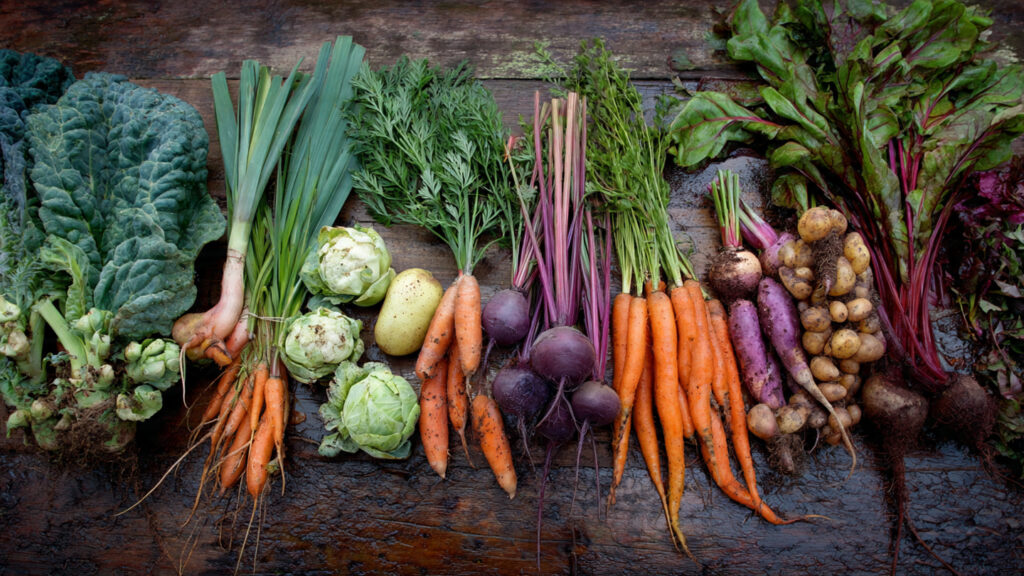
Winter might seem like a quiet season for gardening, but January and February are actually prime months to get a head start on your vegetable garden. Regardless of your growing zone, these months offer the perfect opportunity to sow seeds indoors or in cold frames, ensuring an early and bountiful harvest when spring arrives. Here’s a guide to 18 vegetables you can confidently sow in January and February, along with tips to maximize germination and growth.
1. Lettuce
Lettuce is a classic cool-season crop, thriving in temperatures between 45–65°F. Sow seeds indoors in trays or small pots in late January. Using a light soil mix and keeping them under grow lights ensures tender, crisp leaves ready to transplant by early spring. Varieties like romaine, butterhead, and leaf lettuce respond well to early sowing.
2. Spinach
Spinach is hardy and loves the cooler months. Sow seeds indoors in February, as they germinate faster in soil slightly warmed to 50–60°F. For continuous harvest, succession sowing every two weeks ensures fresh leaves through the early spring. Consider planting larger varieties for salad mixes or smaller types for baby greens.
3. Kale
Kale is not only nutritious but also extremely frost-tolerant. Sow seeds indoors in late January and transplant outdoors by late February if the soil is workable. Varieties like curly kale and dinosaur kale are perfect for winter gardens, offering rich flavors enhanced by light frost.
4. Broccoli
Broccoli thrives when started early. Sow seeds indoors in January in trays or pots with fertile, well-draining soil. Transplant seedlings to garden beds once they are 4–6 weeks old. Keeping seedlings under grow lights or in a sunny window helps strengthen them for outdoor planting.
5. Cauliflower
Cauliflower requires careful timing to avoid bolting in the heat. Starting seeds indoors in January ensures the young plants are ready for transplant in late February or early March. Use high-quality seed-starting mix and maintain consistent moisture for uniform germination.
6. Cabbage
Cabbage is a forgiving winter crop. Sow seeds indoors in January to give them a strong head start. When seedlings reach 3–4 inches tall, transplant them into cold frames or unheated greenhouses. Hardy varieties, like savoy and green cabbage, withstand cooler temperatures well.
7. Brussels Sprouts
For a long harvest into fall, start Brussels sprouts early. Sow seeds indoors in January, keeping them under consistent moisture and moderate light. Harden seedlings before transplanting outside in late February for optimal growth. Brussels sprouts prefer cool temperatures, making early sowing ideal.
8. Carrots
Carrots can be tricky in cold soil, but starting them in February ensures a spring harvest. Use seed trays or deep pots with loose, sandy soil to encourage straight roots. When planting outdoors, ensure soil is free of rocks and clumps to prevent misshapen carrots.
9. Beets
Beets are versatile and fast-growing. Sow seeds indoors in January or February in small pots or trays, then transplant seedlings outdoors as the soil warms. Their greens are also edible, making them a dual-purpose crop for winter gardens. Succession planting can keep fresh beets available throughout early spring.
10. Onions
Onions can be started from seeds or sets during these months. January sowing allows seedlings to establish before transplanting outdoors in late winter. Varieties like red onions, yellow onions, and white onions all do well, depending on your flavor preference. Keep soil moist and provide plenty of sunlight for strong growth.
11. Leeks
Leeks are slow-growing but highly rewarding. Sow seeds indoors in January for spring transplanting. They prefer fertile soil and consistent watering. By starting early, you ensure robust stalks ready for harvest in late summer or early fall.
12. Parsley
Parsley may seem delicate, but it’s surprisingly hardy. Sow seeds indoors in late January in small pots, keeping soil evenly moist. Parsley grows slowly at first, but once transplanted outdoors in February, it thrives in cool weather and adds fresh flavor to winter dishes.
13. Celery
Celery is another slow grower that benefits from early sowing. Start seeds indoors in January using a moist seed-starting mix and ensure bright light for strong, healthy seedlings. Transplant outdoors when seedlings are sturdy and weather permits. Celery appreciates fertile, consistently moist soil to develop crisp stalks.
14. Swiss Chard
Swiss chard is a reliable winter crop that can tolerate frost. Sow seeds indoors or in a cold frame in January or February. Chard is forgiving, making it ideal for gardeners of all levels. Colorful varieties like rainbow chard brighten up your winter garden while providing nutrient-rich leaves.
➡️ How to Grow Malabar Spinach from Cuttings for Fast, Easy Greens
➡️ How to Grow Super Delicious Cabbage at Home Without a Garden
➡️ How to Grow Bean Sprouts at Home in Plastic Bottles Easily (Step‑by‑Step Guide)
➡️ Why is Your Lemon Tree Blooming in the Heart of Winter?
➡️ Why Should Your Garden Have a Dedicated Pollinator Highway?
➡️ Why Do Your Fruit Trees Need a Winter Wash to Thrive in Spring?
➡️ How Can Rice Water Transform Your Fruits into Sweeter Delights?
➡️ Jumpstart Your Winter Garden: Seed Starting Under Lights
15. Radishes
Radishes grow quickly and are perfect for early sowing. Sow seeds indoors or directly in protected outdoor beds in February. Radishes tolerate light frost and mature in just 3–4 weeks, making them ideal for quick harvests. Keep soil moist and loose for uniform root development.
16. Peas
Peas are one of the earliest crops you can plant. Start seeds indoors in January or sow directly outdoors in late February if soil is workable. Varieties like snow peas and sugar snap peas prefer cooler temperatures and provide a sweet, crisp snack early in the season.
17. Herbs (Cilantro, Dill, Chives)
Herbs like cilantro, dill, and chives can be started indoors during winter. They thrive in bright windowsills or under grow lights. Starting early gives you fresh herbs for early spring cooking, and many of these herbs tolerate light frost, making them ideal for transitioning outdoors.
18. Potatoes (Early Varieties)
While potatoes are typically a spring crop, early varieties can be chitted (pre-sprouted) in January to get a jump on the season. Plant them in trays indoors and transplant outdoors as soon as soil can be worked. Early sowing ensures sooner harvests and reduces the risk of late-season diseases.
Tips for Successful Winter Sowing
- Use seed trays or small pots to start seeds indoors. This gives you control over temperature and moisture.
- Light is crucial. Place trays in a sunny window or under grow lights to prevent leggy seedlings.
- Soil selection matters. Use seed-starting mix for germination and avoid heavy garden soil until transplanting.
- Temperature control helps mimic ideal conditions. Keep seedlings away from drafts and consider a heat mat for slower-germinating crops.
- Harden off seedlings before transplanting outdoors. Gradually expose them to outdoor conditions to prevent shock.
Starting your vegetable garden in January and February gives you an edge over the growing season, allowing for earlier harvests and healthier plants. By choosing vegetables suited for winter sowing and providing a little extra care indoors, you can enjoy a lush and productive garden no matter your growing zone.
With this guide of 18 vegetables, you’re equipped to plan your early-year garden efficiently. From leafy greens like spinach and kale to root vegetables like carrots and beets, and even slow-growing crops like celery and leeks, there’s something for every gardener.
So grab your seed trays, prepare your soil, and start sowing—your garden will thank you with a bounty of fresh, homegrown vegetables well before spring fully arrives.