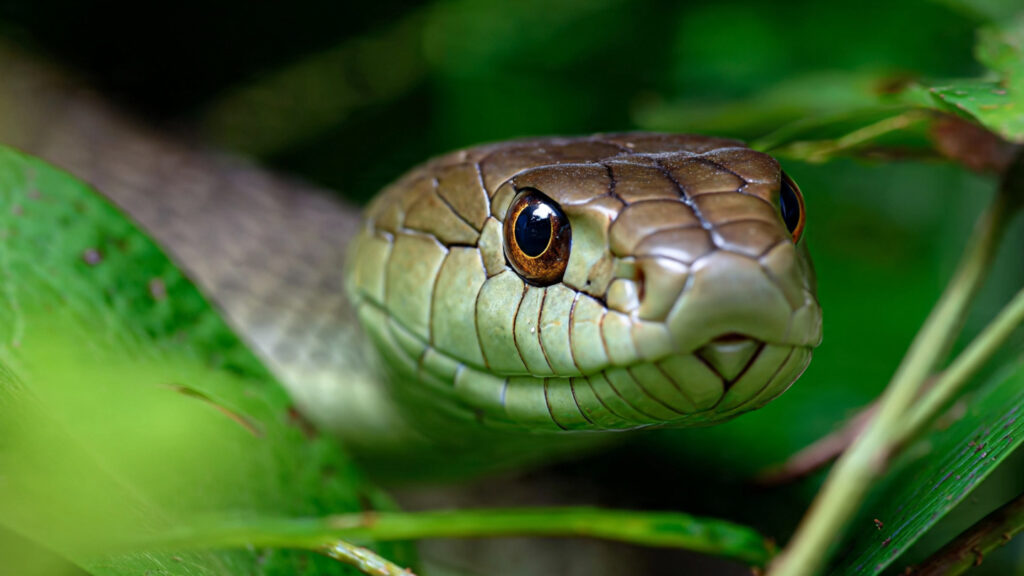
Gardening is a joyful and rewarding activity, but nothing disrupts the peace of a beautiful garden like an unexpected snake. Snakes, though often harmless, can pose a threat to children, pets, and even adults if venomous species are present. Luckily, nature provides us with solutions. Certain plants have natural properties or scents that snakes dislike, acting as a natural barrier and keeping your garden safe. Here, we’ll explore the five best plants to prevent snakes from entering your garden and how to use them effectively.
1. Marigold – The Natural Snake Repellent
Marigolds are not only vibrant and eye-catching, but they are also known for their strong scent, which snakes find unpleasant. The smell of marigold flowers contains compounds that can deter snakes, making them ideal for planting along garden borders.
Tips for planting marigolds:
- Garden beds and borders: Plant marigolds along the edges of your garden to create a natural barrier.
- Companion planting: Marigolds also repel pests like aphids and mosquitoes, providing additional benefits to your garden ecosystem.
- Sunlight and soil: They thrive in well-drained soil and full sunlight, making them low-maintenance yet highly effective.
By incorporating marigolds, you’re not only beautifying your garden but also adding a natural layer of protection against snakes.
2. Lemongrass – Fragrant Protection
Lemongrass is a tall, tropical plant known for its citrusy aroma. This fragrance is extremely unappealing to snakes, making it a strong natural deterrent. Additionally, lemongrass can serve multiple purposes in your garden, from culinary uses to creating privacy screens.
How to use lemongrass effectively:
- Perimeter planting: Grow lemongrass around the edges of your garden or near entrances. Its tall, dense stalks make it harder for snakes to approach unnoticed.
- Maintenance: Regular trimming encourages new growth and maintains the plant’s dense structure.
- Health benefits: Beyond its snake-repelling properties, lemongrass can be used in teas and essential oils, adding value to your garden.
Planting lemongrass not only keeps snakes away but also adds an exotic aroma that enhances the garden’s ambiance.
3. Mother-in-Law’s Tongue (Snake Plant) – A Fitting Name
The aptly named mother-in-law’s tongue, also called snake plant, is a hardy, low-maintenance plant that thrives in various climates. Its sharp, upright leaves are thought to create a physical and psychological barrier that snakes avoid.
Benefits of using snake plants:
- Indoor and outdoor versatility: Snake plants can be planted in pots near garden pathways or directly in the soil around the yard.
- Minimal care required: These plants require little water and can grow in both sunny and shaded areas.
- Air purification: Besides repelling snakes, snake plants are excellent for improving air quality if grown near your home.
Adding mother-in-law’s tongue to your garden borders ensures an additional layer of safety while being visually striking.
4. Marjoram – Aromatic Safety
Marjoram is an herb with a fragrant scent that is not liked by snakes. Its strong aroma acts as a natural repellent, making it a useful companion plant in gardens where snakes are a concern.
Planting tips for marjoram:
- Companion herb garden: Plant marjoram alongside vegetables or other herbs. This not only keeps snakes away but can also enhance the flavors of nearby plants.
- Sunlight and watering: Marjoram prefers full sunlight and well-drained soil. Water sparingly to avoid root rot.
- Additional benefits: Marjoram can be used in cooking, teas, and even homemade herbal remedies.
By including marjoram, you get both practical culinary uses and a natural method to discourage snakes from entering your garden.
5. Wormwood – Strong Smell, Strong Defense
Wormwood is a powerful aromatic plant known for its bitter and strong scent. Snakes find the smell overwhelming, making wormwood an effective barrier plant. Its silvery, feathery foliage also adds texture and color contrast to your garden.
Using wormwood in your garden:
➡️ How to Grow Malabar Spinach from Cuttings for Fast, Easy Greens
➡️ How to Grow Super Delicious Cabbage at Home Without a Garden
➡️ How to Grow Bean Sprouts at Home in Plastic Bottles Easily (Step‑by‑Step Guide)
➡️ Why is Your Lemon Tree Blooming in the Heart of Winter?
➡️ Why Should Your Garden Have a Dedicated Pollinator Highway?
➡️ Why Do Your Fruit Trees Need a Winter Wash to Thrive in Spring?
➡️ How Can Rice Water Transform Your Fruits into Sweeter Delights?
➡️ Jumpstart Your Winter Garden: Seed Starting Under Lights
- Borders and pathways: Plant wormwood along garden borders, pathways, and near sheds where snakes might hide.
- Low maintenance: Wormwood thrives in poor soil conditions and requires minimal watering, making it ideal for hassle-free gardening.
- Other uses: Historically, wormwood has been used for medicinal purposes and natural pest control, adding more value to your garden.
Incorporating wormwood ensures a multi-layered defense while keeping your garden visually interesting.
Tips for Combining Snake-Repelling Plants
While planting individual species can be effective, a combination of these plants often works best. Here’s how to create a snake-resistant garden using multiple plants:
- Layering for maximum effect: Use tall plants like lemongrass and snake plants along fences or walls. Add medium-height plants like marigolds and wormwood in front, and low-growing herbs like marjoram near vegetable beds.
- Strategic spacing: Plant in clusters rather than single rows to create a dense area that snakes find hard to navigate.
- Regular maintenance: Keep the garden tidy by removing debris, trimming overgrown plants, and checking for potential snake hideouts.
- Watering wisely: Avoid excessive watering near garden edges, as snakes are attracted to damp areas.
Other Natural Practices to Keep Snakes Away
In addition to planting snake-repelling plants, consider these practices to make your garden less inviting to snakes:
- Clear hiding spots: Remove tall grass, piles of rocks, and wood, which can serve as shelters for snakes.
- Seal gaps: Ensure that fences, gates, and garden sheds have minimal gaps where snakes could enter.
- Pet deterrents: Dogs and chickens are natural snake deterrents; their presence and activity discourage snakes from lingering.
- Essential oils: Sprays made from essential oils like clove, cinnamon, or peppermint can complement the plants and increase snake deterrence.
By combining these practices with snake-repelling plants, you’ll create a safer, more secure garden environment.
Conclusion
Snakes can be a scary sight, but with the right approach, you can naturally deter them while keeping your garden vibrant and healthy. Marigold, lemongrass, mother-in-law’s tongue, marjoram, and wormwood are among the best plants to prevent snakes from entering your garden. Each offers unique benefits, from aromatic deterrence to physical barriers, while also enhancing the beauty and functionality of your outdoor space.
Planting these species strategically, maintaining your garden, and combining natural repellents ensures that your garden remains a safe haven for you, your family, and your pets. Start with a few of these plants today and enjoy a snake-free garden tomorrow!