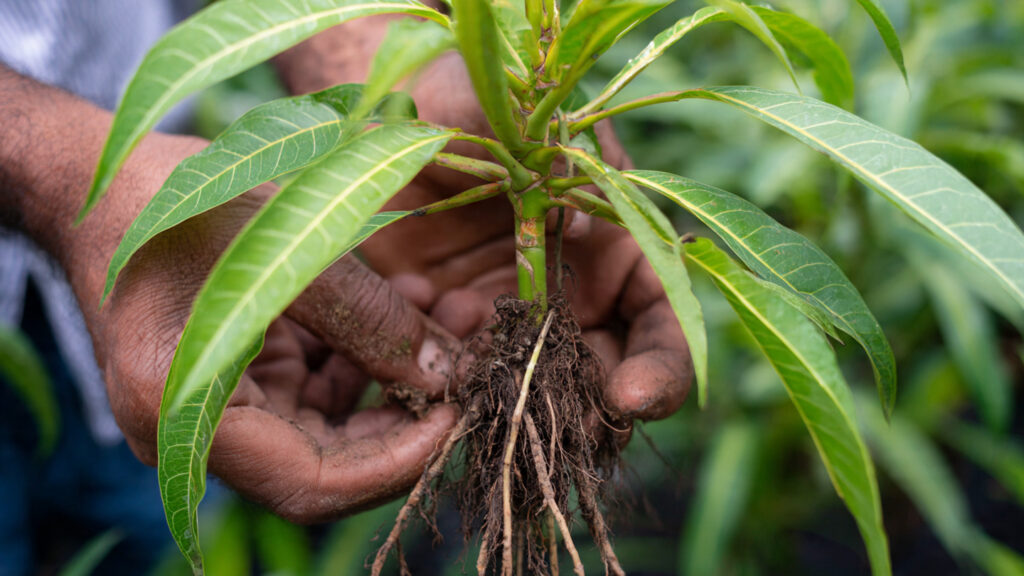
Mangoes are one of the most beloved tropical fruits worldwide. Their juicy, sweet flesh, intoxicating aroma, and vibrant color make them a favorite in countless households. But what if you could grow your very own mango tree at home from a simple stem cutting? With the right techniques, rooting a mango stem is easier than many gardeners think. In this guide, we’ll explore five easy home methods to root a mango stem successfully, ensuring your plant grows healthy, strong, and fruitful.
Why Propagate Mango by Stem Cutting?
Mango trees are typically grown from seeds, but there are a few reasons why stem cuttings are preferable for many home gardeners:
- Faster Fruiting: Seed-grown mango trees can take 6–10 years to bear fruit, whereas stem-propagated trees may fruit in 3–5 years.
- True-to-Type Fruit: Seed-grown trees may not produce fruit identical to the parent plant, but stem propagation ensures the same variety and quality.
- Space-Saving: Stem cuttings allow you to grow mango trees in pots or limited spaces without waiting for large seed-grown trees.
With these benefits in mind, let’s dive into the five effective home methods.
Method 1: Soil Rooting
The simplest and most traditional method to root a mango stem is directly in soil. Here’s how:
Steps:
- Choose the Right Stem – Select a healthy, semi-hardwood stem from the parent tree, around 6–8 inches long. Make sure it has at least 3–4 nodes.
- Prepare the Cutting – Remove leaves from the lower half of the cutting to reduce water loss.
- Apply Rooting Hormone – Dip the cut end in auxin-based rooting hormone to encourage root development. This step is optional but increases success rate.
- Plant in Soil – Fill a pot with well-draining soil, such as a mix of garden soil, sand, and compost. Insert the cutting 2–3 inches deep.
- Water and Cover – Water gently and cover the pot with a plastic bag or bottle to maintain humidity.
- Wait and Monitor – Place the pot in a warm, shaded area. Roots typically develop in 4–8 weeks.
Tips:
- Avoid waterlogging, as excess moisture can cause stem rot.
- Mist the leaves occasionally to maintain humidity.
Method 2: Water Rooting
Water propagation is a visual and rewarding method, allowing you to watch roots grow in real-time.
Steps:
- Select the Cutting – Choose a healthy stem with 3–4 nodes.
- Trim the Leaves – Remove most leaves, leaving 1–2 at the top.
- Prepare Water Container – Use a clean glass or jar filled with filtered or distilled water. Tap water with chlorine may slow root growth.
- Insert the Cutting – Place the stem in water so that only the bottom nodes are submerged. Avoid submerging leaves.
- Change Water Regularly – Replace water every 3–4 days to prevent stagnation and bacterial growth.
- Wait for Roots – Tiny white roots will start forming in 2–4 weeks. Once roots are 2–3 inches long, transfer the cutting to soil.
Tips:
- Keep the jar in indirect sunlight to prevent algae growth.
- Water rooting is best for small, young stems; mature stems prefer soil rooting.
Method 3: Sand and Soil Mix Method
Using a sand-soil mixture provides a balance between drainage and moisture retention, ideal for mango cuttings.
Steps:
- Prepare the Mix – Combine equal parts coarse sand and garden soil. The sand ensures drainage, while soil retains nutrients.
- Select a Cutting – Pick a semi-hardwood stem, 6–8 inches long.
- Dip in Rooting Hormone – Encourage faster root formation with a rooting hormone.
- Plant the Cutting – Insert 2–3 inches into the sand-soil mix.
- Maintain Moisture – Water gently and cover the pot with a clear plastic bag to maintain humidity.
- Monitor Growth – Check after 4–6 weeks. You should see tiny roots forming through the mixture.
Tips:
- Avoid compacting the sand-soil mixture too tightly.
- Ensure the mixture stays damp but not soggy.
Method 4: Coconut Coir Propagation
Coconut coir is a natural, sustainable medium that retains moisture and provides aeration, making it perfect for rooting mango stems.
Steps:
- Prepare the Coir – Soak dried coconut coir in water until fluffy and moist.
- Select the Cutting – Use a healthy, semi-hardwood stem with 3–4 nodes.
- Apply Rooting Hormone – Dip the base in auxin powder for better results.
- Plant in Coir – Insert the cutting about 2–3 inches into the coir.
- Cover and Water – Keep the coir moist and cover with a plastic bag to maintain humidity.
- Wait for Roots – Roots will start appearing in 3–6 weeks, after which the cutting can be transplanted into soil.
Tips:
- Coconut coir is excellent for retaining moisture without causing rot.
- This method is ideal for home gardeners who want a clean, soil-free medium.
Method 5: Air Layering
Air layering is a more advanced technique but guarantees high success, especially for mature mango stems.
Steps:
- Select a Stem – Choose a healthy, semi-mature branch still attached to the tree.
- Make a Cut – Remove a ring of bark about 1 inch wide around the stem. Scrape the exposed area gently to encourage root formation.
- Apply Rooting Hormone – Rub rooting hormone on the exposed stem for faster root development.
- Wrap with Moss – Cover the cut area with moist sphagnum moss.
- Secure with Plastic – Wrap the moss with plastic and tie it securely at both ends. Keep it moist.
- Wait for Roots – Roots will develop in 6–8 weeks. Once thick roots are visible, cut the stem below the moss and plant it in soil.
Tips:
- Check moisture regularly; moss should stay damp.
- Air layering works best in warm, humid conditions.
Caring for Rooted Mango Cuttings
After successfully rooting your mango stem, proper care is essential to help the plant establish strong roots:
- Transplant Carefully: Move cuttings to a larger pot or garden bed with rich, well-draining soil.
- Water Regularly: Keep soil consistently moist for the first few months.
- Provide Shade: Newly rooted plants are sensitive to direct sunlight. Gradually acclimate them.
- Fertilize Lightly: Use a balanced fertilizer after 2–3 months to encourage healthy growth.
- Monitor for Pests: Young plants are vulnerable to aphids, mealybugs, and other pests. Inspect regularly.
Common Mistakes to Avoid
- Using Old or Diseased Stems – Only healthy, semi-hardwood stems root successfully.
- Overwatering – Excess water leads to stem rot. Moisture is necessary, but drainage is crucial.
- Planting Too Deep – Submerging more than 3 inches of the stem can prevent root formation.
- Neglecting Humidity – Most methods require high humidity; a plastic cover helps maintain it.
- Impatience – Mango stems take time to root. Resist the urge to disturb the cutting too often.
Conclusion
Rooting mango stems at home is not just possible—it’s rewarding. Whether you prefer soil rooting, water propagation, sand-soil mixture, coconut coir, or air layering, there’s a method suitable for every gardener and space. By choosing the right cutting, maintaining proper moisture and humidity, and giving your plant time to establish roots, you can grow a healthy mango tree that will bear fruit in just a few years.
Imagine enjoying homegrown mangoes from a tree you nurtured from a simple stem cutting—a fruit of patience, care, and your green thumb. With these five methods, you now have the tools to start your mango-growing journey successfully at home.