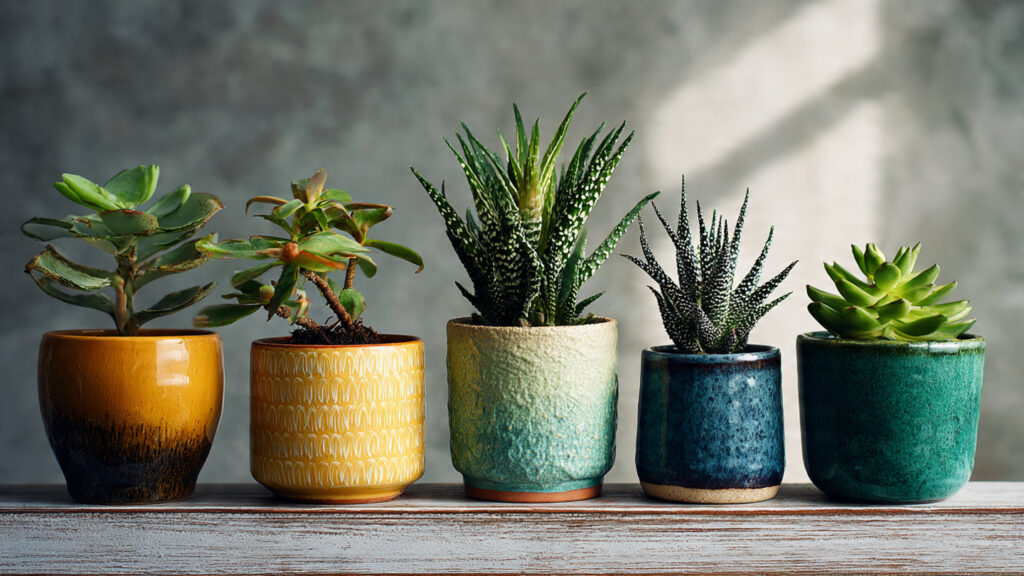
Houseplants have a unique way of transforming any living space. They add color, purify the air, and even boost your mood. But while most plant care guides focus on sunlight, soil, and fertilizer, one often overlooked factor is water quality. Surprisingly, not all houseplants thrive on tap water. Depending on your location, tap water may contain chlorine, fluoride, salts, or other minerals that can harm sensitive plants. If you’ve noticed your once-vibrant plants looking dull or developing brown tips, the culprit could be right from your faucet.
Here, we explore five houseplants that don’t do well with tap water and what you can do to keep them healthy.
1. Spider Plant (Chlorophytum comosum)
The spider plant is one of the most popular and resilient houseplants. Its long, arching leaves and tiny “pups” make it a favorite for homes and offices. However, spider plants are particularly sensitive to chemicals commonly found in tap water.
Why tap water can harm spider plants:
- Fluoride sensitivity: Tap water often contains fluoride to prevent dental issues, but spider plants are prone to fluoride toxicity. This can cause brown leaf tips, curling, and reduced growth.
- Chlorine damage: High chlorine levels can stress the plant and stunt its development.
Tip for watering: Use filtered or distilled water, or let tap water sit out for 24 hours to allow chlorine to evaporate. Rainwater is also an excellent alternative.
2. Calathea (Calathea spp.)
Calatheas are known for their stunning patterned leaves that often look painted by nature. These tropical beauties are highly sensitive to water quality, making them a challenge for beginners.
Why tap water can harm Calathea:
- Mineral buildup: Tap water can leave mineral deposits in the soil, affecting root health.
- Leaf browning and curling: Fluoride and chlorine in tap water can cause leaf edges to brown or curl, which is a common complaint among Calathea enthusiasts.
Tip for watering: Opt for distilled, filtered, or rainwater. Make sure to water consistently and keep the soil slightly moist, but never soggy.
3. Fiddle Leaf Fig (Ficus lyrata)
The Fiddle Leaf Fig has taken the interior design world by storm. Its large, glossy leaves and dramatic presence make it a statement plant. But it is notorious for being finicky, and water quality is a crucial factor.
Why tap water can harm Fiddle Leaf Figs:
- Sensitivity to salts and chemicals: Tap water often contains salts, chlorine, and fluoride, which can build up in the soil over time. This can lead to yellowing leaves and leaf drop.
- Root stress: Poor water quality can weaken roots, making the plant more susceptible to pests and disease.
Tip for watering: Let tap water sit out for at least 24 hours to allow chlorine to dissipate. Better yet, use filtered or rainwater. Maintain a regular watering schedule to avoid stress.
4. Boston Fern (Nephrolepis exaltata)
Boston ferns are lush, feathery plants that thrive in humid environments. They are perfect for bathrooms, kitchens, or bright living spaces. However, these ferns are highly sensitive to chemicals in tap water.
Why tap water can harm Boston Ferns:
- Chlorine sensitivity: Boston ferns react poorly to chlorine, leading to browning leaf tips and dry fronds.
- Salt accumulation: Even low levels of salts in tap water can harm this delicate fern over time.
Tip for watering: Use distilled, filtered, or rainwater. Keep the soil consistently moist but avoid waterlogging. Adding humidity around the plant can also mimic its natural environment and keep it thriving.
5. Peace Lily (Spathiphyllum spp.)
Peace Lilies are beloved for their glossy green leaves and elegant white flowers. They are known to tolerate low light and infrequent watering, making them ideal indoor plants. However, the quality of water you give them plays a vital role in their longevity.
➡️ How to Grow Malabar Spinach from Cuttings for Fast, Easy Greens
➡️ How to Grow Super Delicious Cabbage at Home Without a Garden
➡️ How to Grow Bean Sprouts at Home in Plastic Bottles Easily (Step‑by‑Step Guide)
➡️ Why is Your Lemon Tree Blooming in the Heart of Winter?
➡️ Why Should Your Garden Have a Dedicated Pollinator Highway?
➡️ Why Do Your Fruit Trees Need a Winter Wash to Thrive in Spring?
➡️ How Can Rice Water Transform Your Fruits into Sweeter Delights?
➡️ Jumpstart Your Winter Garden: Seed Starting Under Lights
Why tap water can harm Peace Lilies:
- Fluoride toxicity: Peace Lilies are extremely sensitive to fluoride. Using tap water with high fluoride content can cause leaf tip burn and stunted growth.
- Chlorine impact: Like many houseplants, chlorine can affect their root health and overall vitality.
Tip for watering: Use distilled or filtered water, or let tap water sit overnight. Peace Lilies also appreciate slightly acidic water, so occasional rainwater watering can be beneficial.
How to Identify Water-Related Stress in Houseplants
Even if you follow a watering schedule and provide adequate light, tap water might still be affecting your plants. Here are common signs that your plant isn’t tolerating tap water:
- Brown leaf tips – Especially on sensitive species like spider plants and Peace Lilies.
- Curling or drooping leaves – Often caused by chemical buildup or salts in the soil.
- Yellowing leaves – A sign that minerals in the water are interfering with nutrient uptake.
- Slow or stunted growth – Chronic exposure to chemicals or salts can reduce photosynthesis and overall vigor.
If you notice these symptoms, switching to distilled, filtered, or rainwater can make a dramatic difference.
Tips for Watering Sensitive Houseplants
- Let tap water sit: Fill a watering can with tap water and leave it for 24 hours. This allows chlorine to evaporate.
- Use a water filter: Simple home filtration systems can remove chlorine, fluoride, and other harmful chemicals.
- Collect rainwater: Rainwater is naturally soft and free of chemicals, making it perfect for sensitive houseplants.
- Monitor soil and humidity: Sensitive plants often prefer slightly moist soil and higher humidity. Using a pebble tray or humidifier can help.
- Occasional flush: For potted plants, flush the soil with clean water every few months to remove accumulated salts.
Final Thoughts
Water is the lifeblood of houseplants, and its quality can significantly impact plant health. While many hardy plants tolerate tap water, sensitive species like Spider Plants, Calatheas, Fiddle Leaf Figs, Boston Ferns, and Peace Lilies require extra care. By using filtered, distilled, or rainwater, and monitoring your plants for signs of stress, you can ensure they stay lush, vibrant, and thriving for years.
Remember, a little attention to water quality can save you from frustration and help your indoor garden flourish. After all, happy plants lead to a happier home.