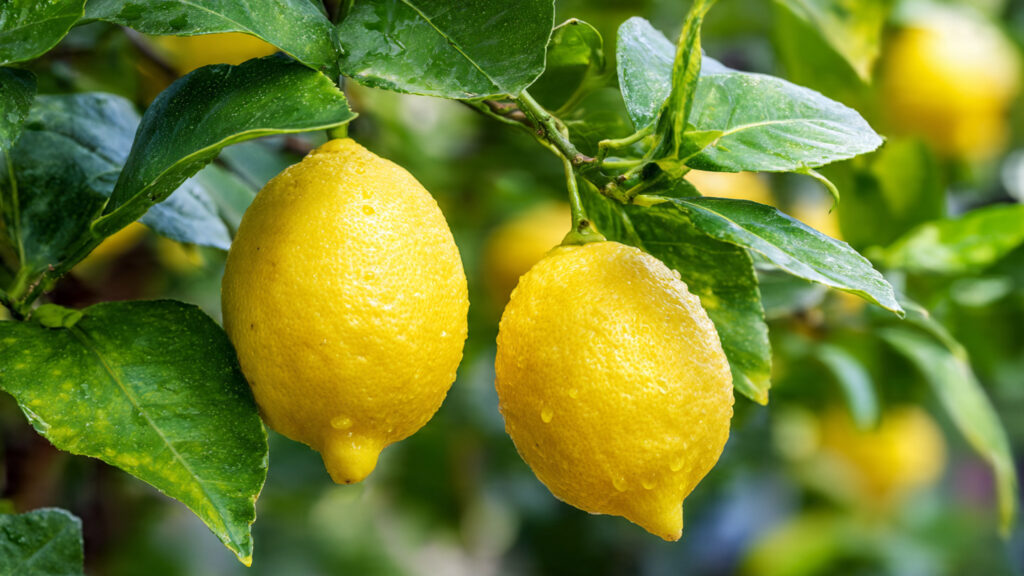
Lemons are more than just a versatile kitchen staple—they are also a rewarding plant to grow at home. Imagine having a fresh supply of lemons right outside your door, perfect for cooking, drinks, or even natural cleaning solutions. While you can grow lemons from seeds, the fastest and most reliable way to propagate them is from green cuttings. Using green cuttings ensures your new plant will inherit the characteristics of the parent tree, including fruit quality, leaf shape, and aroma. Best of all, the process is surprisingly simple and highly rewarding. This guide will walk you through five simple steps to grow lemon from green cutting, whether you’re a beginner gardener or a seasoned green thumb.
Step 1: Selecting the Right Green Cutting
The first step in successfully growing a lemon plant is choosing a healthy green cutting. Green cuttings are tender, semi-mature branches from the current season’s growth. Unlike woody branches, green cuttings root faster and develop into vigorous young plants.
Key tips for selecting cuttings:
- Choose a healthy parent tree: The cutting should come from a tree that is disease-free and produces high-quality fruit.
- Pick the right length: Ideal cuttings are about 4–6 inches long with 3–4 leaf nodes. Avoid branches that are too soft or too woody.
- Remove flowers and fruit: Any buds or fruit should be removed to ensure the plant directs its energy toward root development.
- Check for pests: Inspect the cutting for insects or damage. A clean cutting increases the chances of successful propagation.
Selecting a robust cutting is critical—it lays the foundation for a healthy, productive lemon tree in the future.
Step 2: Preparing the Cutting for Rooting
Once you’ve selected the perfect green cutting, the next step is preparation. Proper preparation encourages faster root development and reduces the risk of rot.
Here’s how to prepare your cutting:
- Trim the cutting: Make a clean cut just below a leaf node. Remove leaves from the lower half, leaving two or three leaves at the top. This reduces water loss and allows the cutting to focus energy on root formation.
- Optional: Use rooting hormone: Although not mandatory, dipping the cut end into a rooting hormone powder or gel can stimulate root growth. Rooting hormones are particularly useful in hot or dry conditions where stress on the cutting is higher.
- Make a fresh cut: Using sterilized scissors or a sharp knife, recut the base of the stem at an angle. This increases the surface area for root formation and helps prevent infection.
Proper preparation ensures your lemon cutting is ready to establish roots efficiently.
Step 3: Planting the Cutting
Planting is the step where careful attention can make or break your lemon propagation efforts. Green cuttings need a soil environment that retains moisture, provides aeration, and minimizes disease risk.
Planting process:
- Choose a container: Use a small pot with drainage holes. A 4–6 inch pot is ideal for starting cuttings.
- Prepare the soil: A well-draining mix is crucial. Combine equal parts garden soil, sand, and organic compost. Some gardeners also use perlite or vermiculite to improve aeration.
- Plant the cutting: Insert the cut end about 1–2 inches into the soil. Firm the soil gently around the stem to stabilize it.
- Water lightly: After planting, water the soil thoroughly but avoid waterlogging. The soil should be moist, not soggy.
Green cuttings are delicate. Ensuring they are planted in the right medium sets the stage for healthy root growth.
Step 4: Caring for the Cutting During Rooting
Root development is a critical phase, and proper care during this time increases the success rate dramatically. Green lemon cuttings need warmth, moisture, and indirect light to root effectively.
Essential care tips:
- Maintain humidity: Covering the pot with a plastic bag or clear dome creates a mini greenhouse effect. This keeps humidity high and prevents the cutting from drying out.
- Place in indirect light: Avoid direct sunlight, which can stress the cutting and cause leaf burn. Bright, indirect light is ideal for photosynthesis without excessive heat.
- Water consistently: Keep the soil evenly moist but not waterlogged. Overwatering can cause rot, while underwatering slows root formation.
- Monitor temperature: Green cuttings root best in temperatures between 70–80°F (21–27°C). If your environment is cooler, consider using a heating mat to maintain warmth.
- Check progress: After 3–4 weeks, gently tug on the cutting. Resistance indicates root development. Avoid disturbing the soil excessively.
Patience is key during this stage. With consistent care, most green cuttings develop healthy roots within 4–6 weeks.
Step 5: Transplanting the Rooted Cutting
Once your cutting has developed a healthy root system, it’s time to transplant it into a larger pot or directly into the garden. Proper transplantation ensures the young lemon plant continues to thrive.
Transplanting steps:
➡️ How to Grow Malabar Spinach from Cuttings for Fast, Easy Greens
➡️ How to Grow Super Delicious Cabbage at Home Without a Garden
➡️ How to Grow Bean Sprouts at Home in Plastic Bottles Easily (Step‑by‑Step Guide)
➡️ Why is Your Lemon Tree Blooming in the Heart of Winter?
➡️ Why Should Your Garden Have a Dedicated Pollinator Highway?
➡️ Why Do Your Fruit Trees Need a Winter Wash to Thrive in Spring?
➡️ How Can Rice Water Transform Your Fruits into Sweeter Delights?
➡️ Jumpstart Your Winter Garden: Seed Starting Under Lights
- Choose the right location: Lemon plants prefer full sun but can tolerate partial shade during the hottest part of the day. The soil should be well-draining, slightly acidic (pH 6.0–6.5), and enriched with organic matter.
- Prepare the planting site: Dig a hole slightly larger than the root ball. Mix compost into the surrounding soil to provide nutrients for the young plant.
- Handle with care: Remove the cutting from its container gently to avoid damaging the tender roots.
- Plant at the same depth: Place the cutting in the hole so that the soil level is the same as it was in the pot. Firm the soil gently around the base.
- Water thoroughly: After transplanting, water generously to help the soil settle and reduce transplant shock. Apply mulch around the base to retain moisture and regulate soil temperature.
After transplanting, continue regular watering, sun exposure, and occasional feeding with a balanced fertilizer to encourage growth. Over time, your lemon cutting will grow into a strong, productive tree.
Additional Tips for Success
To maximize your chances of growing a healthy lemon tree from a green cutting, keep these tips in mind:
- Prune carefully: Once your cutting grows into a young plant, prune weak or damaged branches to encourage strong structure.
- Protect from pests: Watch for aphids, spider mites, and scale insects. Use organic controls like neem oil or insecticidal soap as needed.
- Rotate regularly: If growing in a pot, rotate the plant periodically to ensure even light exposure and symmetrical growth.
- Be patient: Lemon trees take time to mature. Leaf growth is rapid, but fruit may take 2–3 years to appear depending on the variety and care.
- Fertilize appropriately: Use a balanced fertilizer during the growing season. Citrus-specific fertilizers rich in nitrogen, potassium, and magnesium are ideal.
Why Grow Lemon from Green Cutting?
Propagating lemons from green cuttings has several advantages over other methods like seeds or grafting:
- Faster fruiting: Seed-grown trees take longer to produce fruit, often 4–5 years, whereas cuttings can fruit in 2–3 years.
- True-to-type plants: Cuttings inherit the parent plant’s characteristics, ensuring consistent fruit quality and flavor.
- Cost-effective: Using cuttings from an existing tree eliminates the need to buy new plants.
- Environmentally friendly: Propagation from cuttings is a sustainable way to multiply plants without additional resources.
These benefits make green cutting propagation a practical and rewarding method for home gardeners.
Final Thoughts
Growing a lemon tree from a green cutting is both simple and fulfilling. By following these five simple steps—selecting the right cutting, preparing it for rooting, planting carefully, providing proper care during rooting, and transplanting successfully—you can cultivate a healthy, productive lemon tree right in your backyard or balcony garden. With patience and consistent care, your new plant will thrive, rewarding you with fragrant leaves and eventually, juicy lemons that elevate your culinary creations.
Green cutting propagation isn’t just about growing a plant—it’s about connecting with nature, learning patience, and enjoying the satisfaction of nurturing life from a small, tender stem. With the right approach, anyone can master this method and enjoy the tangy sweetness of homegrown lemons for years to come.