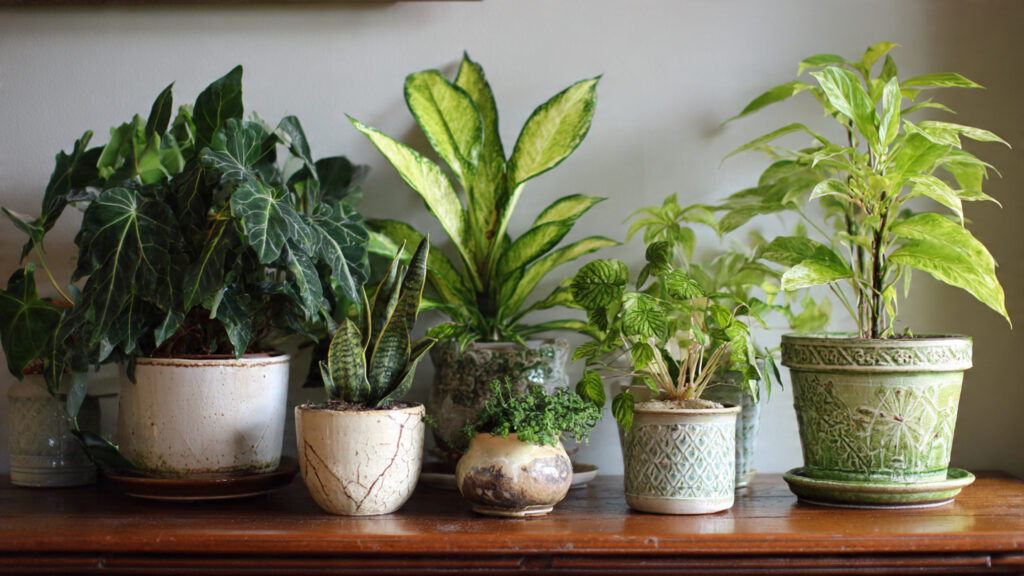
Houseplants bring life, color, and fresh air to any indoor space, but like all living things, they have needs that must be met to thrive. One of the most common issues indoor gardeners face is pot-bound plants, which occur when a houseplant outgrows its container. Failing to repot a plant can stunt growth, cause nutrient deficiencies, and even harm the overall health of your greenery.
But how do you know when it’s time to give your plant a bigger home? In this article, we’ll explore six clear clues that your houseplant needs a larger pot, why ignoring these signs can hurt your plant, and tips for successful repotting.
Why Pot Size Matters
The container a plant lives in is more than just a decorative element. It affects:
- Root growth – Roots need room to expand and access nutrients and water.
- Soil moisture retention – Too small a pot dries out quickly, stressing the plant.
- Nutrient availability – Larger pots hold more soil, which can supply more nutrients over time.
- Overall plant stability – Bigger plants need bigger pots to prevent tipping or wobbling.
A well-chosen pot allows the plant to flourish, while a cramped one can lead to poor growth, yellowing leaves, and susceptibility to pests and disease.
Clue 1: Roots Are Growing Out of Drainage Holes
One of the most obvious signs that a houseplant needs a bigger pot is visible roots coming out of the drainage holes at the bottom of the container.
- Roots naturally grow downward in search of water and nutrients.
- When they begin to spill out, it indicates the plant has filled the available space.
- Leaving the plant in this condition can lead to root binding, where roots circle around the interior of the pot and cannot properly absorb nutrients or water.
If you notice roots poking through, it’s time to repot.
Clue 2: The Plant Dries Out Too Quickly
Another indicator of a cramped plant is rapid soil drying.
- When roots fill the pot, there’s less soil available to retain moisture.
- The topsoil may look dry just a day after watering, even though the plant still needs hydration.
- This often results in stressed foliage, brown leaf tips, or drooping leaves.
Repotting into a larger container provides more soil volume, allowing for better moisture retention and healthier growth.
Clue 3: Stunted Growth or Lack of New Leaves
Healthy houseplants regularly produce new leaves, stems, or flowers. If growth slows dramatically, it may signal that the plant is limited by its current pot size.
- Root-bound plants have restricted access to nutrients.
- The plant focuses on maintaining existing growth rather than producing new foliage.
- Even with adequate water and fertilization, a cramped root system can prevent the plant from thriving.
Moving to a larger pot rejuvenates the plant, giving roots room to expand and supporting active growth once again.
Clue 4: The Plant Becomes Top-Heavy or Tippy
As plants grow, they can become top-heavy. A small pot may no longer provide the stability needed to support taller stems or larger leaves.
- If the plant frequently tips over, or if the base feels loose, it’s likely time for a bigger pot.
- Adding soil and a larger container prevents tipping and supports stronger root anchorage.
This is particularly common with tropical houseplants, ferns, and palms, which can develop significant foliage weight over time.
Clue 5: Cracked or Distorted Pot
Sometimes the plant communicates its needs in dramatic ways. Cracked pots, warped plastic, or bulging sides indicate pressure from an overgrown root system.
- Clay or ceramic pots may crack under the pressure of expanding roots.
- Plastic pots can bulge or split when the root mass becomes too dense.
These are physical warnings that your plant requires a larger home immediately to prevent damage to both the container and the plant itself.
Clue 6: Soil Quality Deteriorates Quickly
Even if your plant appears healthy, soil quality can reveal the need for repotting.
➡️ How to Grow Malabar Spinach from Cuttings for Fast, Easy Greens
➡️ How to Grow Super Delicious Cabbage at Home Without a Garden
➡️ How to Grow Bean Sprouts at Home in Plastic Bottles Easily (Step‑by‑Step Guide)
➡️ Why is Your Lemon Tree Blooming in the Heart of Winter?
➡️ Why Should Your Garden Have a Dedicated Pollinator Highway?
➡️ Why Do Your Fruit Trees Need a Winter Wash to Thrive in Spring?
➡️ How Can Rice Water Transform Your Fruits into Sweeter Delights?
➡️ Jumpstart Your Winter Garden: Seed Starting Under Lights
- Compacted soil, poor drainage, or rapid nutrient depletion are often signs that the plant has outgrown its pot.
- Over time, organic matter in the soil breaks down, reducing its ability to retain water and supply nutrients.
- If you notice water pooling on the surface, crusted mineral deposits, or the soil shrinking away from the pot’s edges, a repot is overdue.
Fresh soil not only nourishes your plant but also improves aeration for the roots, supporting long-term health.
How to Repot Your Houseplant Successfully
Once you recognize one or more of these clues, it’s time to repot. Here’s a step-by-step guide:
Step 1: Choose the Right Pot
- Select a container 1–2 inches larger in diameter than the current one.
- Ensure it has drainage holes to prevent waterlogging.
- Materials like terracotta offer breathability, while plastic retains moisture longer.
Step 2: Prepare Fresh Soil
- Use a high-quality indoor potting mix, adjusted to your plant’s needs.
- For succulents or cacti, add sand or perlite for drainage.
- Tropical plants benefit from peat-based or coco coir-rich mixes.
Step 3: Remove the Plant Gently
- Tip the plant sideways and carefully slide it out.
- Loosen the root ball gently with your fingers, trimming any dead or damaged roots.
Step 4: Position the Plant
- Place the plant in the new pot at the same soil level as before.
- Fill in with fresh soil around the roots, pressing lightly to remove air pockets.
Step 5: Water Thoroughly
- Water the plant immediately after repotting to help settle the soil.
- Ensure excess water drains freely.
Step 6: Post-Repot Care
- Keep the plant in bright, indirect light for a few days.
- Avoid fertilizing for 4–6 weeks, giving roots time to adjust.
- Monitor for signs of stress, such as drooping or yellow leaves, and adjust care accordingly.
Tips for Healthy Houseplants After Repotting
- Rotate your plants regularly to promote even growth.
- Maintain consistent watering, allowing the soil to dry slightly between waterings.
- Inspect roots periodically, especially for slow-growing or tropical plants.
- Add a layer of mulch on top of the soil for moisture retention and temperature stability.
- Avoid oversizing pots, as too much soil can retain excess water and cause root rot.
Following these practices ensures your plant thrives in its new container for years to come.
When Not to Repot
Even if a plant shows signs of needing a bigger pot, avoid repotting if:
- It’s in dormancy, such as bulbs or some seasonal plants.
- It is actively flowering or fruiting, as this can stress the plant.
- Temperature extremes make indoor repotting risky for delicate tropical species.
Timing your repot ensures minimal stress and maximum growth potential.
Conclusion
Recognizing when your houseplant needs a bigger pot is crucial for healthy growth and long-term survival. Watch for roots emerging from drainage holes, rapid soil drying, stunted growth, top-heavy plants, cracked pots, and deteriorating soil—these are clear indicators that your plant is ready for a larger home.
By selecting the right pot, using fresh soil, and following proper repotting techniques, you can rejuvenate your houseplant, encouraging lush foliage, robust root systems, and continued indoor beauty.
Repotting is more than just a maintenance task; it’s a way to ensure your plant continues to thrive and bring joy to your indoor space for years to come. With careful attention and timely action, your houseplants will flourish in their new homes, rewarding your effort with vibrant health and beauty.