Fall is a magical time for gardeners. The air turns crisp, leaves change to vibrant reds and golds, and the garden prepares for winter dormancy. While many people focus on harvesting vegetables or planting bulbs for spring, pruning in the fall is an often-overlooked task that can significantly impact your garden’s health and appearance. Proper pruning removes dead or diseased wood, shapes plants for the next growing season, and encourages vigorous growth in spring. However, not all plants benefit from fall pruning—some are better left untouched until spring. In this guide, we’ll explore six plants you should prune in the fall and three that are safer to skip, helping you make the most of your autumn garden care.
Why Prune in the Fall?
Pruning in the fall offers several advantages:
- Encourages Healthy Growth: Removing dead, diseased, or damaged branches reduces stress on the plant and prepares it for spring growth.
- Prevents Disease Spread: Pruning away infected branches limits the spread of pathogens over winter.
- Improves Airflow and Sunlight: Opening up dense branches prevents fungal growth and allows sunlight to reach inner leaves.
- Shapes the Plant: Fall pruning helps control size and shape before new growth begins in spring.
- Easier Visibility: With deciduous plants losing their leaves, it’s easier to see the structure and decide which branches to prune.
However, timing and plant type are crucial. Some plants are sensitive to cold or may bleed sap if pruned too early, so knowing which ones to prune in fall and which to leave until spring is key.
6 Plants You Should Prune in the Fall
1. Roses (Hardy Varieties)
- Why Prune: Fall pruning removes dead or diseased canes, reduces pest habitats, and prepares the plant for winter.
- How to Prune: Cut back canes to about 18–24 inches, remove weak or crossing branches, and thin out the center for airflow. Avoid heavy pruning in regions with harsh winters, as it may expose the plant to cold damage.
Tip: Leave some healthy canes intact to protect the crown of the plant from frost.
2. Grapevines
- Why Prune: Grapevines benefit from fall pruning because it encourages strong fruiting wood for next year. Removing old, unproductive canes ensures the plant puts energy into healthy growth.
- How to Prune: Remove old, thin, or dead canes. Leave 2–4 strong canes per plant for the next growing season, trimming them to 6–12 buds each.
Tip: Always use sharp, clean pruning shears to avoid damaging the vine.
3. Deciduous Fruit Trees (Apples, Pears, Plums)
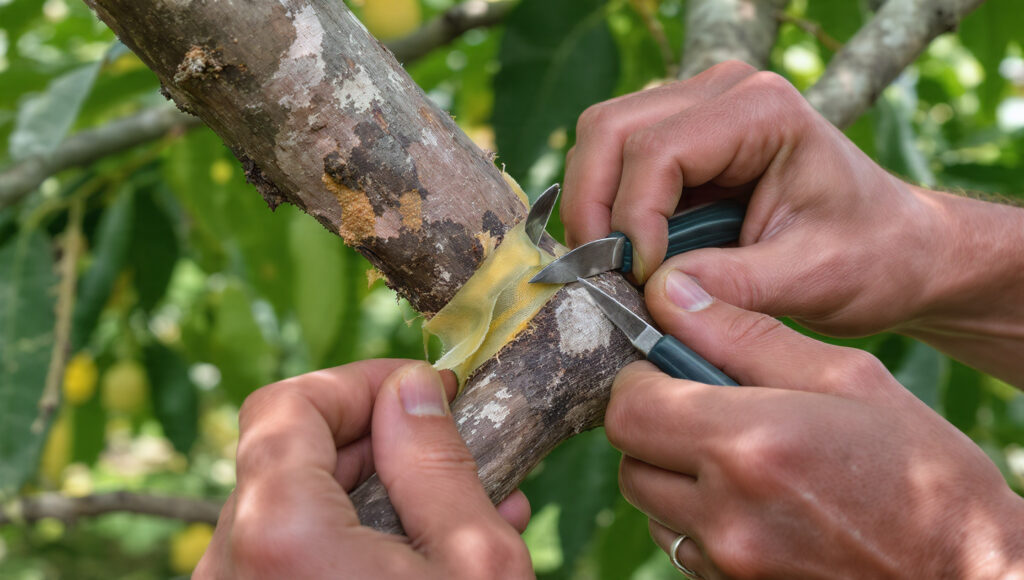
- Why Prune: Fall pruning removes diseased or damaged branches and improves light penetration. This reduces fungal infections and encourages better fruit production in the next season.
- How to Prune: Focus on removing crossing branches, deadwood, and vertical shoots. Avoid heavy pruning in very cold climates, as it can cause bark splitting.
Tip: Leave structural pruning for winter dormancy in extremely cold areas, and stick to light pruning in fall.
4. Hydrangeas (Bigleaf and Oakleaf Varieties)
- Why Prune: Fall is ideal for hydrangeas that bloom on old wood to remove dead flower heads and prepare the plant for winter.
- How to Prune: Cut back faded blooms and remove dead stems. Avoid cutting the main structural stems, as they will produce next year’s flowers.
Tip: Bigleaf hydrangeas bloom on old wood, so heavy pruning may reduce blooms in spring. Focus on light shaping.
5. Crape Myrtles
- Why Prune: Fall pruning removes weak or dead branches and reduces disease risk. Crape myrtles respond well to moderate fall pruning in most climates.
- How to Prune: Remove dead, diseased, or crossing branches. Avoid severe “topping” cuts, as this can weaken the plant and reduce flowering.
Tip: Light shaping in fall is best; major pruning can be reserved for late winter.
6. Evergreen Shrubs (Light Pruning Only)
- Why Prune: Many evergreen shrubs, like boxwoods or holly, can benefit from light shaping in the fall. This keeps them tidy and removes dead or damaged growth.
- How to Prune: Focus on removing only dead or damaged branches. Avoid heavy pruning, as new growth may not harden off before winter.
Tip: Evergreen shrubs are sensitive to cold, so over-pruning can make them vulnerable to winter burn.
3 Plants You Can Safely Skip in the Fall
Not all plants thrive when pruned in autumn. Pruning at the wrong time can weaken plants, reduce blooms, or invite disease. Here are three plants that are better left alone until spring:
1. Spring-Blooming Shrubs (Lilacs, Forsythia, Azaleas)
- Why Skip: These shrubs bloom on old wood. Pruning in the fall removes the buds that would produce spring flowers.
- Best Time to Prune: Immediately after flowering in spring.
2. Maple Trees
- Why Skip: Maples are prone to “bleeding” sap when pruned in fall, especially in regions with fluctuating temperatures. Excess sap can weaken branches and attract pests.
- Best Time to Prune: Late winter or early spring, before new growth begins.
3. Birch Trees
- Why Skip: Birches are sensitive to cold and sap loss in fall. Pruning now can leave them vulnerable to disease and winter injury.
- Best Time to Prune: Early spring, just before leaf emergence.
Tips for Safe Fall Pruning
- Use Sharp, Clean Tools: Dull or dirty tools can crush branches and spread disease. Sterilize pruning shears with rubbing alcohol.
- Remove Diseased Material: Cut out any branches with signs of infection, such as discolored leaves or fungal growth. Dispose of them carefully.
- Prune in Dry Weather: Wet conditions increase the risk of spreading disease. Choose a dry day for pruning.
- Seal Large Cuts (Optional): For large branches, consider using pruning sealant to protect against frost or pests.
- Avoid Over-Pruning: Cutting too much can stress plants and reduce their winter hardiness. Stick to removing dead, diseased, or weak branches.
Benefits of Fall Pruning Beyond Plant Health
Pruning in the fall not only improves plant health but also enhances your garden’s overall appearance:
- Tidy Landscape: Removing dead branches and shaping plants keeps your garden looking neat going into winter.
- Reduced Pest Habitat: Clearing old growth limits areas where insects and rodents can overwinter.
- Better Spring Preparation: Well-pruned plants enter winter with less stress, leading to faster and stronger growth in spring.
Conclusion
Fall pruning is a valuable practice that can improve your garden’s health, appearance, and productivity. By knowing which plants benefit from autumn pruning and which ones are better left alone, you can protect your garden from disease, enhance airflow, and set the stage for a vibrant spring display.
Prune in the fall: roses, grapevines, deciduous fruit trees, hydrangeas, crape myrtles, and select evergreen shrubs for shaping.
Skip in the fall: spring-blooming shrubs like lilacs, maple trees, and birches to prevent lost blooms, sap bleeding, or winter damage.
With careful timing, proper technique, and an understanding of your plants’ needs, fall pruning can become a cornerstone of your seasonal garden care. Embrace this autumn task and enjoy the reward of healthy, beautifully shaped plants in the months to come.
➡️ How to Grow Malabar Spinach from Cuttings for Fast, Easy Greens
➡️ How to Grow Super Delicious Cabbage at Home Without a Garden
➡️ How to Grow Bean Sprouts at Home in Plastic Bottles Easily (Step‑by‑Step Guide)
➡️ Why is Your Lemon Tree Blooming in the Heart of Winter?
➡️ Why Should Your Garden Have a Dedicated Pollinator Highway?
➡️ Why Do Your Fruit Trees Need a Winter Wash to Thrive in Spring?
➡️ How Can Rice Water Transform Your Fruits into Sweeter Delights?
➡️ Jumpstart Your Winter Garden: Seed Starting Under Lights
Your garden will thank you when spring arrives with lush blooms, strong growth, and a thriving landscape—all made possible by the simple, strategic act of pruning in fall.