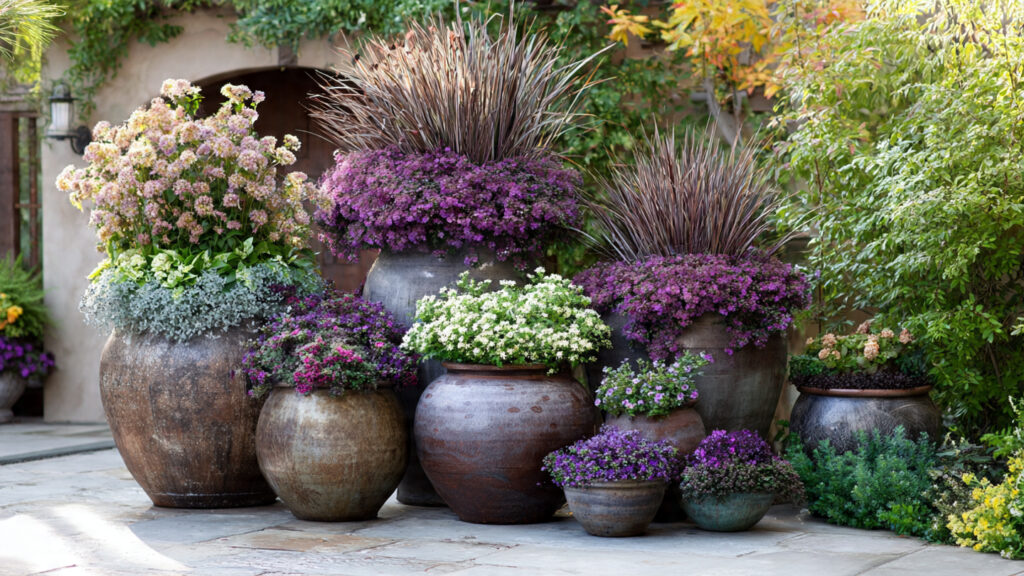
Container gardening has become one of the most popular ways for homeowners, renters, and urban dwellers to enjoy the beauty of plants without the need for a traditional garden. Whether you have a small balcony, a patio, or even a windowsill, containers allow you to grow flowers, vegetables, and herbs creatively while adding visual interest to your outdoor spaces. The beauty of container planting is its versatility — you can change plants with the seasons, experiment with colors and textures, and easily move containers around to suit light conditions. Here are 8 stunning container planting ideas for every season to help you transform your outdoor space.
1. Spring: Bulbs and Pastel Flowers
Spring is all about renewal and soft, fresh colors. It’s the perfect time to showcase bulbs like tulips, daffodils, hyacinths, and crocuses in your containers. Combine them with pastel annuals such as pansies, primroses, or violas to create a cheerful display.
Tips for spring container planting:
- Layering: Plant taller bulbs in the center or back of the container and surround them with lower-growing annuals.
- Soil mix: Use a well-draining potting mix to prevent waterlogging. Bulbs need good drainage to avoid rotting.
- Container selection: Bright ceramic pots or pastel-colored planters enhance the soft tones of spring flowers.
A mixed spring container with a variety of heights and colors will create an inviting look that celebrates the season of growth.
2. Summer: Vibrant Tropicals and Lush Foliage
Summer is the season to go bold. This is when you can experiment with tropical and sun-loving plants that bring vibrant colors and texture to your containers. Consider combining geraniums, petunias, marigolds, and lantanas with foliage plants like coleus or caladium for a stunning contrast.
Tips for summer container planting:
- Sun exposure: Most summer plants love full sun, so place containers where they get at least 6 hours of direct sunlight.
- Watering: Container plants dry out faster in summer, so check moisture daily and water deeply.
- Fertilization: Feed flowering plants with a balanced liquid fertilizer every two weeks for continuous blooms.
Summer containers can act as focal points in your garden or patio, bringing bold color and life to outdoor entertaining spaces.
3. Autumn: Warm Hues and Seasonal Harvests
Autumn is the perfect season to mix ornamental plants with edible crops in your containers. Think ornamental cabbage, kale, mums, and pansies for vibrant fall color. You can also add small pumpkins or gourds for a festive touch.
Tips for autumn container planting:
- Color scheme: Choose rich oranges, reds, purples, and yellows to capture the essence of fall.
- Container material: Terracotta or rustic wooden containers complement autumn hues beautifully.
- Companion planting: Mix edible crops like lettuce or chard with ornamental plants for both beauty and harvest.
Autumn containers can brighten up your porch or garden when many plants in the ground start to fade.
4. Winter: Evergreens and Textured Plants
Even in winter, your outdoor spaces can remain visually appealing. Since most flowers go dormant, focus on evergreens, conifers, holly, and ornamental grasses. These plants provide structure, color, and texture. You can also incorporate seasonal decorations like pinecones or fairy lights for a festive touch.
Tips for winter container planting:
- Frost protection: Choose hardy plants suitable for your climate and use frost-resistant containers.
- Layering textures: Mix needle-like evergreens with rounded shrubs or trailing ivy to create depth.
- Decorative elements: Add branches, twigs, or berries for seasonal interest.
A well-designed winter container proves that garden beauty doesn’t stop when the flowers disappear.
5. Herb Containers: Year-Round Utility
Herb gardens in containers are perfect for adding both beauty and utility to your space. Herbs like basil, rosemary, thyme, parsley, and mint thrive in pots and can be grown indoors or outdoors depending on the season.
Tips for herb container planting:
➡️ How to Grow Malabar Spinach from Cuttings for Fast, Easy Greens
➡️ How to Grow Super Delicious Cabbage at Home Without a Garden
➡️ How to Grow Bean Sprouts at Home in Plastic Bottles Easily (Step‑by‑Step Guide)
➡️ Why is Your Lemon Tree Blooming in the Heart of Winter?
➡️ Why Should Your Garden Have a Dedicated Pollinator Highway?
➡️ Why Do Your Fruit Trees Need a Winter Wash to Thrive in Spring?
➡️ How Can Rice Water Transform Your Fruits into Sweeter Delights?
➡️ Jumpstart Your Winter Garden: Seed Starting Under Lights
- Sunlight: Most herbs need at least 4-6 hours of sunlight per day. Place containers near sunny windows or on a patio.
- Drainage: Ensure containers have drainage holes. Herbs do not like soggy roots.
- Pruning: Regularly trim herbs to encourage bushy growth and prevent flowering, which can reduce flavor.
Herb containers are perfect for kitchen gardens and make your outdoor spaces functional as well as decorative.
6. Edible Container Gardens: Veggies Everywhere
Container gardening isn’t just for flowers. With clever planting, you can grow vegetables like tomatoes, peppers, cucumbers, and lettuce in pots. Vertical containers or stacked planters allow you to maximize space, making them ideal for balconies or small patios.
Tips for edible container planting:
- Soil: Use nutrient-rich potting soil mixed with compost to provide essential nutrients.
- Support: Some vegetables, like tomatoes and cucumbers, require stakes or trellises.
- Rotation: Consider planting different vegetables each season to keep the soil healthy.
Harvesting fresh produce from your containers is both rewarding and practical, giving your garden dual functionality.
7. Succulent and Cactus Containers: Low-Maintenance Beauty
Succulents and cacti are perfect for containers, offering year-round appeal with minimal maintenance. Mix varieties of different shapes, heights, and colors to create an eye-catching display.
Tips for succulent container planting:
- Drainage: Use shallow pots with excellent drainage to prevent root rot.
- Soil: A specialized cactus and succulent mix is ideal.
- Arrangement: Combine tall, spiky varieties with low-growing rosettes for contrast.
Succulent containers are versatile, compact, and perfect for indoor or outdoor spaces, adding a modern, sculptural element to your decor.
8. Seasonal Themed Containers: Holiday Fun
Seasonal themed containers are an exciting way to bring personality and celebration into your garden. From spring Easter arrangements to Christmas red and green displays, you can change your containers to match the occasion. Consider using themed ornaments, seasonal flowers, or even small decorative lights to highlight the season.
Tips for seasonal container planting:
- Mix natural and decorative elements: Combine flowers or plants with pinecones, ribbons, or small figurines.
- Keep it simple: A few standout elements often look more sophisticated than overcrowding the container.
- Reusability: Use containers that are versatile so you can update them seasonally without buying new ones each time.
Seasonal containers bring freshness and creativity, keeping your garden dynamic and visually interesting throughout the year.
Final Thoughts
Container gardening is an art that allows you to bring your creativity to life in every season. From spring bulbs to summer tropicals, autumn harvests to winter evergreens, there are countless ways to design stunning containers that reflect your style and suit your environment. By carefully selecting plants, experimenting with colors and textures, and considering sunlight and watering needs, you can enjoy a beautiful, ever-changing display all year long.
Remember, the joy of container gardening isn’t just in the final look—it’s also in the process of planning, planting, and nurturing your containers. With these eight ideas, you’ll be well on your way to creating a vibrant, seasonally inspired garden that captivates every visitor and brings endless satisfaction to your own outdoor space.