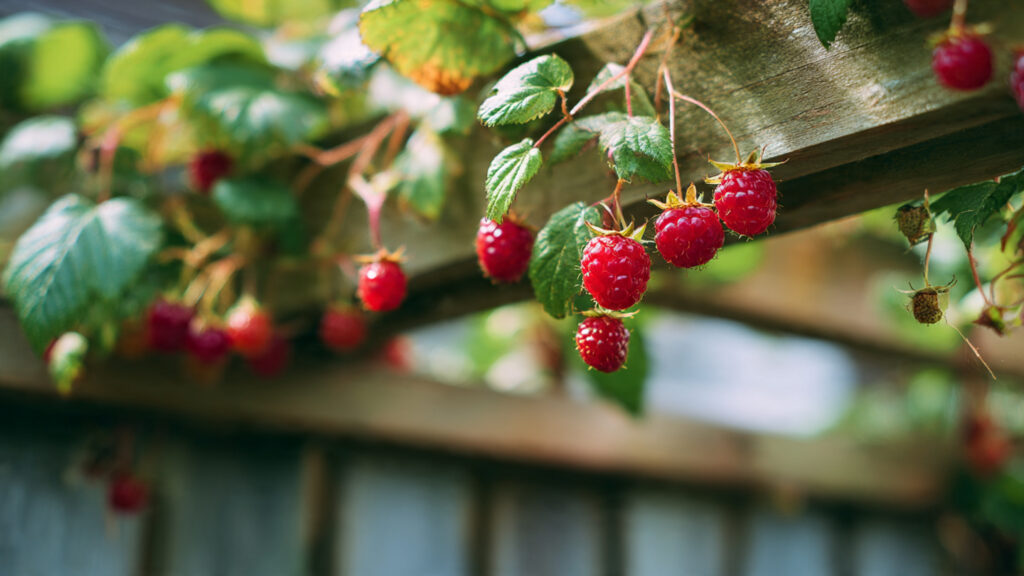
Growing berry vines in your backyard is one of the most rewarding gardening projects you can undertake. Whether you’re harvesting juicy blackberries for summer desserts, picking fresh raspberries for breakfast, or training grapes for homemade juice, a sturdy and well-planned trellis is the foundation of success. Without proper support, berry vines sprawl, produce fewer fruits, and become more susceptible to disease.
In this comprehensive guide, you’ll learn why a trellis matters, how to choose the right design, what materials to use, and how to maintain your berry vine support system for long-term productivity.
Why Berry Vines Need a Trellis
Many popular berry plants are natural climbers or sprawling canes. Varieties like blackberries, raspberries, and grapes grow long stems that can easily reach several feet in a single season. If left unsupported, these stems:
- Trail along the ground
- Produce smaller or fewer fruits
- Become more vulnerable to fungal diseases
- Are harder to harvest and prune
A trellis keeps vines upright, increases air circulation, improves sunlight exposure, and makes maintenance far easier. The result? Healthier plants and bigger harvests.
Choosing the Right Berry for Your Trellis
Before building your structure, consider which berry vine you’re growing. Each type has slightly different needs.
Blackberries and Raspberries
These grow long canes and benefit from a simple two-wire or T-trellis system. Everbearing and summer-bearing varieties may require different pruning strategies, but both thrive when supported.
Grapes
Grapevines are vigorous climbers and require a stronger trellis. Systems like vertical shoot positioning (VSP) or a pergola-style trellis work well.
Hardy Kiwi or Other Berry Climbers
Heavier fruiting vines need robust posts and thicker wire to handle the weight.
Match your trellis strength and height to the mature size of your chosen plant.
Selecting the Best Location
Location is critical for berry production. Most berry vines require:
- At least 6–8 hours of direct sunlight
- Well-draining soil
- Good air circulation
- Protection from strong winds
Install your trellis in a north–south orientation when possible. This maximizes sunlight exposure throughout the day. Avoid low-lying areas where water pools, as excess moisture encourages root rot and fungal diseases.
Trellis Design Options
There are several common trellis styles to choose from. The right one depends on space, budget, and berry type.
1. Single Wire Trellis
A simple system using posts with one horizontal wire stretched between them. Best for lightweight vines or young plants.
2. Two-Wire Trellis
Two parallel wires positioned at different heights (usually 2–3 feet apart). Ideal for raspberries and blackberries.
3. T-Trellis
Posts with horizontal cross arms create space for canes to spread outward. Excellent for managing heavy growth and improving air circulation.
➡️ How to Grow Malabar Spinach from Cuttings for Fast, Easy Greens
➡️ How to Grow Super Delicious Cabbage at Home Without a Garden
➡️ How to Grow Bean Sprouts at Home in Plastic Bottles Easily (Step‑by‑Step Guide)
➡️ Why is Your Lemon Tree Blooming in the Heart of Winter?
➡️ Why Should Your Garden Have a Dedicated Pollinator Highway?
➡️ Why Do Your Fruit Trees Need a Winter Wash to Thrive in Spring?
➡️ How Can Rice Water Transform Your Fruits into Sweeter Delights?
➡️ Jumpstart Your Winter Garden: Seed Starting Under Lights
4. V-Trellis
Two sets of angled arms create a “V” shape. This design increases sunlight exposure and can boost yields.
5. Pergola or Arbor
Perfect for grapes or kiwi. Provides shade and doubles as a decorative garden feature.
Choose a design that balances practicality and aesthetics.
Materials You’ll Need
Investing in durable materials ensures your trellis lasts many years.
Essential materials include:
- Pressure-treated wooden posts or metal T-posts
- Galvanized wire (12–14 gauge recommended)
- Post anchors or concrete
- Wire tensioners
- Garden ties or soft twine
Avoid using untreated wood, as it may rot quickly. Galvanized wire resists rust and handles weather exposure better than standard steel wire.
Step-by-Step Guide to Building a Basic Two-Wire Trellis
Here’s a simple, reliable method suitable for most backyard berry growers.
Step 1: Mark Your Row
Measure the length of your planting row. Space posts about 6–10 feet apart for stability.
Step 2: Install End Posts
Dig holes at least 2 feet deep for end posts. Secure them firmly with packed soil or concrete.
Step 3: Add Intermediate Posts
Install additional posts along the row to prevent wire sagging.
Step 4: Attach Wires
Run galvanized wire along both sides of the posts. Position the first wire about 2 feet above the ground and the second around 4–5 feet high.
Step 5: Tighten the Wire
Use tensioners to keep wires taut. Sagging wires won’t properly support heavy fruiting canes.
Step 6: Plant and Train Vines
Plant berry vines 2–3 feet apart along the base of the trellis. As they grow, gently tie canes to the wires using soft ties.
Training Your Berry Vines Properly
A trellis alone isn’t enough—you must train your vines.
- Tie young canes loosely to avoid damaging stems.
- Spread canes evenly to improve airflow.
- Remove weak or overcrowded shoots.
- Prune old fruiting canes after harvest.
For example, summer-bearing raspberries produce fruit on second-year canes. After harvesting, those canes should be removed to encourage new growth.
Maintenance Tips for Long-Term Success
A well-maintained trellis system can last over a decade. Follow these simple practices:
- Check wire tension each season.
- Inspect posts for rot or loosening.
- Replace damaged ties.
- Clean up fallen leaves and debris to reduce disease.
During winter, pruning and structural inspection help prepare the system for spring growth.
Common Mistakes to Avoid
Even experienced gardeners make mistakes when setting up berry trellises. Here are a few to watch out for:
1. Using Weak Materials
Thin wire or lightweight posts may fail under heavy fruit loads.
2. Poor Spacing
Crowded vines reduce airflow and increase disease risk.
3. Ignoring Sunlight Requirements
Planting in partial shade significantly reduces yields.
4. Neglecting Pruning
Unpruned vines become tangled and less productive.
Enhancing Your Trellis for Better Yields
If you want to maximize productivity, consider these upgrades:
- Install drip irrigation along the row.
- Add mulch to retain soil moisture.
- Incorporate compost annually to improve soil health.
- Use organic fertilizers during the growing season.
Healthy soil supports vigorous vines, and vigorous vines reward you with abundant berries.
Seasonal Care Calendar
Spring:
- Inspect trellis structure
- Prune damaged canes
- Apply compost
Summer:
- Tie new growth
- Harvest regularly
- Monitor for pests
Fall:
- Remove old fruiting canes
- Clean debris
- Check structural stability
Winter:
- Tighten wires
- Replace weak posts
- Plan expansions if needed
Benefits Beyond Productivity
A berry vine trellis isn’t just functional—it adds beauty and structure to your garden. Vertical gardening:
- Saves space
- Creates natural privacy screens
- Enhances landscape design
- Makes harvesting easier and cleaner
A well-built trellis transforms an ordinary backyard into a productive and visually appealing space.
Final Thoughts
Setting up a berry vine trellis may require some upfront effort, but the rewards are long-lasting. By choosing the right design, using sturdy materials, and maintaining your structure regularly, you create an environment where your berry vines can thrive for years.
Whether you’re growing raspberries, blackberries, or grapes, a thoughtfully designed trellis system will improve airflow, boost sunlight exposure, and significantly increase your harvest.