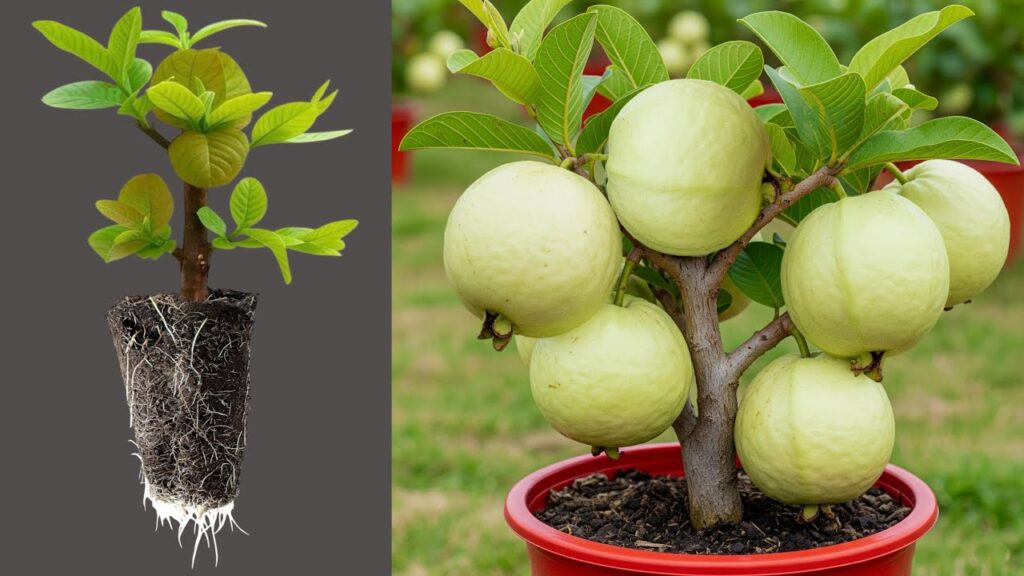
Imagine plucking a fresh, crisp chayote (Sechium edule) straight from a container on your balcony, patio, or small backyard. Known for its mild flavor and versatility in soups, stir-fries, and salads, chayote is a tropical plant that surprisingly grows well in containers—even a simple paint bucket. With the right approach, you can enjoy a steady harvest without needing a sprawling garden.
This guide walks you step by step through growing chayote in a paint bucket using a simple, low-cost container gardening method that anyone can follow.
Why Choose Chayote for Container Gardening?
Chayote is an ideal plant for container gardening because:
- It has vigorous vine growth that adapts well to vertical support.
- It thrives in well-draining soil, perfect for buckets or pots.
- It produces edible fruits, leaves, and even shoots, giving you multiple harvests.
- Its long growing season allows multiple fruits per plant in warm climates.
Gardening experts often recommend chayote for beginners because it’s hardy, fast-growing, and rewarding.
Step 1: Select a Healthy Chayote Fruit for Planting
The first step is choosing the right seed—or in the case of chayote, the whole fruit. Chayote grows from the entire fruit, which naturally sprouts a vine.
Choosing Your Chayote
- Pick a firm, green fruit with no soft spots or mold.
- Opt for a fruit that is plump and healthy, ideally with a visible bud or sprout.
- If possible, choose a fresh fruit from a local market or garden.
Quick Tip
Store your chayote in a cool, dry place until planting. Avoid refrigeration, as cold slows germination.
Step 2: Prepare the Paint Bucket
A simple paint bucket becomes a perfect container for your chayote vine.
Bucket Requirements
- Size: At least 5–10 gallons (20–40 liters)
- Material: Plastic is fine, but ensure it’s food-safe if you want to grow edible plants.
- Drainage: Drill 4–6 holes at the bottom to prevent waterlogging.
Pro Tip
Paint buckets with handles make it easy to move the plant to follow sunlight or shelter from heavy rain.
Step 3: Make the Ideal Soil Mix
Chayote prefers loamy, fertile, and well-draining soil.
Easy Container Mix
- 50% high-quality potting soil
- 25% compost or organic matter
- 25% sand or perlite for drainage
This mix ensures that the plant’s roots have oxygen, nutrients, and enough moisture retention to thrive.
Step 4: Planting the Chayote in the Bucket
Planting chayote in a container is simple but requires a little care.
Steps
- Fill the paint bucket with soil mix, leaving about 2–3 inches from the top.
- Place the chayote fruit horizontally, with the sprouting end slightly pointing up.
- Cover the fruit halfway with soil.
- Water gently to settle the soil around the fruit.
Tip
Do not bury the chayote completely; the top half must stay exposed for sprout development.
Step 5: Provide Vertical Support
Chayote is a climbing vine that grows vigorously. Without support, it will sprawl, making harvest difficult.
Support Options
- Bamboo stakes
- Trellis or mesh
- String or rope tied to a balcony railing
Gardening experts recommend a sturdy vertical support at least 6–8 feet tall, as chayote vines can grow extremely long.
Step 6: Place Your Bucket in Ideal Conditions
Chayote thrives in warm, sunny environments.
➡️ How to Grow Malabar Spinach from Cuttings for Fast, Easy Greens
➡️ How to Grow Super Delicious Cabbage at Home Without a Garden
➡️ How to Grow Bean Sprouts at Home in Plastic Bottles Easily (Step‑by‑Step Guide)
➡️ Why is Your Lemon Tree Blooming in the Heart of Winter?
➡️ Why Should Your Garden Have a Dedicated Pollinator Highway?
➡️ Why Do Your Fruit Trees Need a Winter Wash to Thrive in Spring?
➡️ How Can Rice Water Transform Your Fruits into Sweeter Delights?
➡️ Jumpstart Your Winter Garden: Seed Starting Under Lights
Sunlight Requirements
- Full sun for 6–8 hours a day
- Partial shade is okay in extremely hot climates
Temperature
- Best growth: 70–85°F (21–29°C)
- Sensitive to frost—bring the bucket indoors or cover during cold snaps.
Step 7: Watering Your Container Chayote
Watering is crucial for container plants.
Watering Tips
- Keep the soil consistently moist but not soggy
- Water deeply whenever the top 1–2 inches feel dry
- Reduce watering slightly if the plant is not actively growing
Pro Tip
Containers dry out faster than garden beds, so check moisture daily, especially during hot months.
Step 8: Fertilizing for Maximum Growth
Chayote is a nutrient-hungry plant, particularly when fruiting.
Fertilizer Options
- Use balanced NPK fertilizer (10-10-10) every 3–4 weeks
- Alternatively, organic compost or liquid seaweed can boost growth naturally
Expert Advice
Stop heavy fertilization after harvest to encourage the plant to focus on root and vine health for the next season.
Step 9: Pruning and Managing Vines
Pruning helps keep your chayote manageable in a container.
Pruning Tips
- Remove dead or yellowing leaves
- Trim excess lateral shoots to focus energy on fruiting
- Train vines along the trellis for better sunlight exposure
This ensures better air circulation and reduces the risk of fungal diseases.
Step 10: Flowering and Pollination
Chayote produces small greenish-yellow flowers, which are usually pollinated by insects.
Pollination Tips
- If grown indoors, you may need hand pollination using a soft brush to transfer pollen.
- Outdoor plants typically self-pollinate or attract natural pollinators.
Proper pollination is key to fruit production.
Step 11: Harvesting Chayote
Patience pays off—chayote usually takes 3–4 months to produce fruit from planting.
Signs Your Chayote Is Ready
- Fruit is firm, green, and smooth-skinned
- Size: Typically 4–6 inches long
- Easy to twist off the vine without damage
Harvest regularly to encourage continuous fruit production.
Storage
Chayote can be stored in a cool, dry place for 1–2 weeks or refrigerated for longer.
Step 12: Common Problems and Solutions
Even in containers, chayote is relatively low-maintenance, but watch for:
- Yellow leaves: Often due to overwatering or nutrient deficiency
- Pests: Aphids, mites, and snails may appear; use organic sprays or handpick
- Poor fruiting: Usually due to insufficient sunlight or lack of pollination
Experts agree that proactive observation and basic care prevent most issues.
Step 13: Tips for Year-Round Container Gardening
Chayote vines can continue producing if cared for properly:
- Move containers indoors during winter if frost is expected
- Provide supplemental light for indoor plants
- Mulch the soil to retain moisture
- Support older vines with stronger trellises as they grow heavier
A paint bucket chayote plant can be a long-term, productive container plant with the right care.
Final Thoughts: Enjoy Tropical Freshness in a Simple Bucket
Growing chayote in a paint bucket proves that container gardening can be simple, fun, and incredibly rewarding. With minimal investment and a little patience, you can transform a small balcony or patio into a productive tropical garden.
From planting a single fruit to harvesting crisp, versatile vegetables, this method is ideal for urban gardeners, beginners, or anyone wanting fresh, homegrown produce without a large garden.
Start today, give your chayote a sunny home in a paint bucket, and enjoy fresh, flavorful harvests for months to come. 🌿🍈