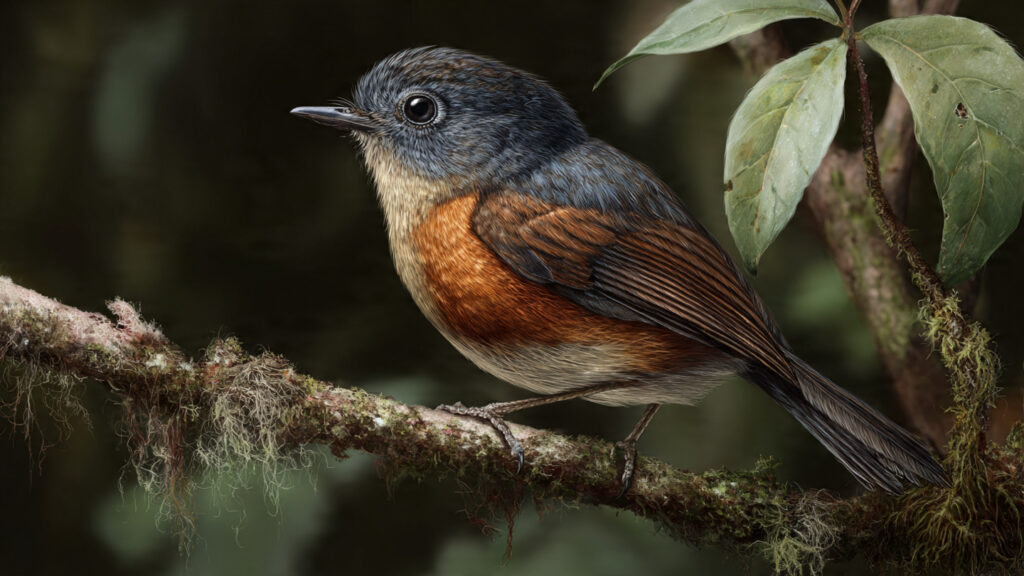
In a remarkable breakthrough for conservationists and wildlife enthusiasts alike, a species once believed to have vanished from the Earth has been rediscovered in the wilds of Bolivia. After more than two decades of being considered extinct, this rediscovery highlights not only the resilience of nature but also the importance of preserving fragile ecosystems. It is a story of hope, scientific persistence, and the ongoing battle to protect biodiversity.
The Incredible Rediscovery
For over 20 years, the species in question had eluded researchers, leaving only anecdotal evidence and historical records as proof of its existence. Scientists feared that habitat destruction, climate change, and human activities had driven the species to extinction. The rediscovery, therefore, came as a thrilling surprise.
A recent expedition in Bolivia’s remote and largely unexplored regions, conducted by a team of biologists and ecologists, yielded evidence of the species through direct sightings, photographic documentation, and tracks in its natural habitat. This confirmed that the species had survived unnoticed, a testament to nature’s ability to endure even in the face of human-induced challenges.
A Glimpse into the Species
Although details about the species are still being analyzed, early observations have revealed fascinating insights:
- Unique Physical Characteristics
The species exhibits features that are both distinctive and adapted to its environment. Its coloration, behavior, and size suggest a remarkable evolutionary path that has allowed it to survive in secluded pockets of Bolivia’s ecosystem. - Behavioral Patterns
Field researchers noted that the species demonstrates elusive behavior, likely a survival mechanism developed over years of human encroachment. It forages primarily during twilight hours, avoiding potential threats while maintaining a balanced diet sourced from native plants and small prey. - Ecological Role
As with many rediscovered species, it likely plays a critical role in its ecosystem. From controlling insect populations to aiding in seed dispersal, the species contributes to the overall health of its habitat—a reminder of how interconnected nature truly is.
The Importance of Habitat Preservation
Bolivia is home to some of the most diverse ecosystems in South America, ranging from the Andes mountains to tropical lowlands and rainforests. The rediscovery underscores the critical importance of preserving these habitats.
Over the past decades, deforestation, mining, and agricultural expansion have fragmented wildlife habitats across Bolivia. Species once thriving in continuous ecosystems are now confined to isolated patches, making their survival more precarious. The fact that this species survived despite these pressures indicates that even small, protected areas can serve as refuges for wildlife if managed responsibly.
Conservationists are now advocating for immediate measures to protect the rediscovered species, including establishing protected zones, enforcing anti-poaching laws, and monitoring populations to ensure long-term survival.
Scientific Significance
The rediscovery of a species long thought extinct is a rare event in the scientific community. It offers researchers invaluable opportunities to study evolutionary biology, genetics, and conservation strategies.
- Genetic Research
Studying the DNA of the rediscovered species can reveal how it has adapted over time to survive environmental pressures. These insights may inform conservation efforts for other endangered species facing similar threats. - Ecosystem Studies
Observing how the species interacts with its surroundings helps scientists understand the ecological dynamics of Bolivia’s habitats. This knowledge can guide broader conservation policies and restoration projects. - Inspiring Further Exploration
Rediscoveries like this one often motivate additional field studies in underexplored regions. Scientists are reminded that even in the 21st century, there remain secrets in remote wildernesses waiting to be uncovered.
Community Involvement and Conservation Efforts
Local communities play a crucial role in protecting species and their habitats. In Bolivia, indigenous groups and rural communities have long coexisted with wildlife, developing traditional knowledge that complements scientific conservation practices.
Conservation programs now aim to involve these communities in active monitoring, habitat restoration, and education initiatives. By fostering a sense of ownership and stewardship, these programs not only help protect the rediscovered species but also provide sustainable livelihoods for local people.
Environmental NGOs and government agencies are collaborating to create awareness campaigns, promote eco-tourism, and implement policies that balance economic development with ecological preservation. The rediscovery acts as a powerful narrative to rally public support and inspire global conservation action.
The Broader Implications for Biodiversity
Rediscovering a species thought extinct is more than just a feel-good story—it carries significant ecological and philosophical implications.
- Hope for Other “Extinct” Species
There are many species around the world listed as extinct or critically endangered. The survival of this Bolivian species demonstrates that with careful observation and protection, other species may still be out there, hidden in remote corners of the planet. - Biodiversity and Ecosystem Health
Biodiversity is essential for ecosystem stability, resilience, and productivity. Each species contributes uniquely to its environment, and the loss of one can trigger cascading effects. Rediscoveries reinforce the urgency of protecting the planet’s remaining biodiversity. - Conservation Awareness
High-profile rediscoveries attract media attention, funding, and public interest. They serve as catalysts for conservation programs, encouraging people worldwide to engage in environmental protection efforts.
Challenges Ahead
While the rediscovery is a cause for celebration, it also brings challenges.
- Limited Population Size: A small, isolated population is vulnerable to disease, genetic bottlenecks, and natural disasters. Immediate steps must be taken to ensure genetic diversity and population stability.
- Human Encroachment: Expanding agriculture, urbanization, and illegal activities continue to threaten wildlife habitats. Long-term protection requires strong policy enforcement.
- Climate Change: Changing temperatures and rainfall patterns can alter ecosystems, making survival even more challenging for sensitive species. Conservation strategies must account for these dynamic environmental factors.
What This Means for Conservationists and the Public
Rediscovering a species long considered extinct is a reminder that nature is resilient yet fragile. For conservationists, it reinforces the importance of persistent field research, monitoring, and habitat protection. For the public, it offers hope and a renewed sense of responsibility toward environmental stewardship.
It also encourages global cooperation. Species conservation does not happen in isolation; it requires collaboration between governments, scientists, NGOs, and communities. Bolivia’s success story can serve as a blueprint for conservation initiatives worldwide.
➡️ How to Grow Malabar Spinach from Cuttings for Fast, Easy Greens
➡️ How to Grow Super Delicious Cabbage at Home Without a Garden
➡️ How to Grow Bean Sprouts at Home in Plastic Bottles Easily (Step‑by‑Step Guide)
➡️ Why is Your Lemon Tree Blooming in the Heart of Winter?
➡️ Why Should Your Garden Have a Dedicated Pollinator Highway?
➡️ Why Do Your Fruit Trees Need a Winter Wash to Thrive in Spring?
➡️ How Can Rice Water Transform Your Fruits into Sweeter Delights?
➡️ Jumpstart Your Winter Garden: Seed Starting Under Lights
Final Thoughts
The rediscovery of a species in Bolivia thought extinct for over 20 years is a momentous event in the world of conservation. It is a powerful reminder that even amidst environmental degradation and human pressures, life finds a way.
This extraordinary find underscores the importance of protecting fragile ecosystems, supporting scientific research, and involving local communities in conservation efforts. Beyond the immediate joy of rediscovery, it reignites hope for the survival of countless species believed to be lost and reinforces humanity’s duty to safeguard our planet’s biodiversity.
As researchers continue to study this remarkable species, the world watches with anticipation, inspired by the enduring resilience of nature. Bolivia’s hidden gem is more than a species; it is a symbol of hope, a testament to the persistence of life, and a call to action for all who cherish the natural world.