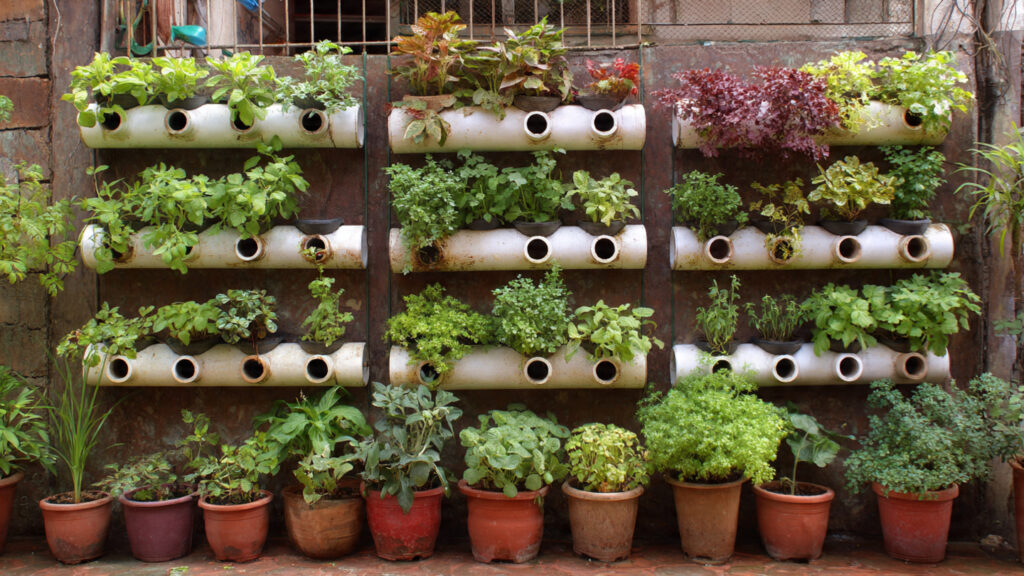
For gardeners with limited space, small balconies, patios, or tiny backyard plots, maximizing vertical space is a game-changer. Vertical gardening is not just a trend—it’s a practical solution to grow more plants in less area while creating a stunning green feature. One of the most affordable, versatile, and eco-friendly ways to achieve this is by using plastic pipes. With a little creativity, some basic tools, and a bit of time, you can transform ordinary plastic pipes into thriving vertical gardens.
In this guide, we explore amazing DIY vertical garden ideas using plastic pipes, perfect for small gardens, apartments, or urban spaces.
Why Choose Plastic Pipes for Vertical Gardening?
Before jumping into the DIY ideas, it’s important to understand why plastic pipes are a top choice for vertical gardens:
- Durability – High-quality PVC or HDPE pipes resist rot and can withstand outdoor conditions.
- Cost-Effective – Plastic pipes are inexpensive and widely available at hardware stores.
- Lightweight – Easy to move, hang, or mount, even on balconies or fences.
- Customizable – Pipes can be cut, painted, or drilled to suit any garden design.
- Efficient Watering – PVC or perforated pipes can be easily connected to irrigation systems.
Using plastic pipes is also an environmentally friendly option when repurposing leftover or discarded pipes from construction projects.
Planning Your Vertical Garden
Before you start drilling and assembling pipes, plan carefully. Consider these factors:
1. Space and Location
- Identify where your vertical garden will go—balcony walls, fences, small yards, or even kitchen corners.
- Ensure the location receives enough sunlight for your chosen plants. Most vegetables and herbs need 4–6 hours of sunlight daily.
2. Plants to Grow
- Herbs like basil, mint, and parsley are ideal for vertical setups.
- Leafy greens such as lettuce, spinach, and kale grow well in small spaces.
- Flowers or ornamental plants can add color and aesthetic appeal.
- Strawberries and cherry tomatoes thrive in vertical gardens with good drainage.
3. Pipe Type and Size
- PVC Pipes: Standard 3–4 inch diameter pipes are perfect for small plants.
- Perforated Pipes: Pre-drilled or manually drilled pipes allow water to reach all plants evenly.
- Length: Decide based on your vertical space. Longer pipes provide more planting spots but need more stability.
DIY Vertical Garden Ideas Using Plastic Pipes
1. Classic Wall-Mounted Pipe Garden
This design is perfect for balconies or small backyard walls.
Materials Needed:
- PVC pipes (3–4 inch diameter)
- Wall brackets or hooks
- Drill
- Potting soil and plants
- Screws and anchors
Steps:
- Drill holes along the length of the pipe, spaced 6–8 inches apart.
- Mount the pipe horizontally on the wall using brackets.
- Fill each hole with soil and plant your seeds or seedlings.
- Water carefully, ensuring all holes receive moisture.
Tip: Paint the pipes in bright colors to make the vertical garden pop. You can even create patterns or color blocks for a fun effect.
2. Stackable Vertical Pipe Towers
When floor space is limited, vertical towers are ideal.
Materials Needed:
- PVC pipes
- Connectors (T-joints or elbow joints)
- A sturdy base (wooden or metal stand)
- Soil and plants
Steps:
- Cut pipes to your desired height.
- Stack them using T-joints or elbow connectors.
- Drill holes for planting on each level.
- Secure the tower to the base to prevent tipping.
- Plant herbs, flowers, or small vegetables in the holes.
Benefits: This design maximizes vertical space, allowing you to grow multiple plants in a small footprint.
3. Hanging Pipe Gardens
Hanging gardens add a lush, cascading effect to small balconies or patios.
Materials Needed:
➡️ How to Grow Malabar Spinach from Cuttings for Fast, Easy Greens
➡️ How to Grow Super Delicious Cabbage at Home Without a Garden
➡️ How to Grow Bean Sprouts at Home in Plastic Bottles Easily (Step‑by‑Step Guide)
➡️ Why is Your Lemon Tree Blooming in the Heart of Winter?
➡️ Why Should Your Garden Have a Dedicated Pollinator Highway?
➡️ Why Do Your Fruit Trees Need a Winter Wash to Thrive in Spring?
➡️ How Can Rice Water Transform Your Fruits into Sweeter Delights?
➡️ Jumpstart Your Winter Garden: Seed Starting Under Lights
- PVC pipes (1–2 inch diameter for lighter weight)
- Strong rope or chain
- Hooks for ceiling or balcony railing
- Drill and soil
Steps:
- Drill small planting holes along the pipe.
- Thread rope through the pipe or use hooks to hang it vertically.
- Fill with soil and plant lightweight herbs or flowers.
- Hang the pipe securely, ensuring it can hold the weight of soil and water.
Tip: Create multiple hanging pipes at different heights for a dramatic layered look.
4. Watering-Efficient Drip Vertical Garden
One of the challenges of vertical gardens is even watering. This pipe design solves that problem.
Materials Needed:
- PVC pipe (4 inch diameter)
- Drill
- PVC elbow joints
- Small water pump (optional)
- Soil and plants
Steps:
- Drill evenly spaced holes along the pipe.
- Connect the pipe to a small pump or gravity-fed system to circulate water.
- Plant seedlings in the holes.
- Water circulates from the top down, ensuring all plants are hydrated.
Benefits: Saves water, reduces maintenance, and keeps plants healthy.
5. Creative Spiral Pipe Garden
For a modern twist, create a spiral-shaped vertical garden.
Materials Needed:
- Flexible plastic tubing or several short PVC sections
- Strong vertical support rod
- Zip ties or clamps
- Soil and plants
Steps:
- Attach the spiral tubing to the vertical support.
- Drill planting holes along the spiral.
- Fill with soil and plant.
- Water from the top to nourish all plants.
Impact: A spiral vertical garden becomes a stunning focal point in any small garden.
Maintenance Tips for Pipe Vertical Gardens
To ensure your DIY vertical garden thrives, follow these tips:
- Soil Quality: Use lightweight potting mix to avoid excess weight and improve drainage.
- Watering: Check regularly, especially for hanging or vertical pipes. Consider drip irrigation for efficiency.
- Plant Selection: Rotate crops seasonally for continuous harvest.
- Fertilizing: Vertical gardens may need additional nutrients due to limited soil. Liquid fertilizers work well.
- Pest Control: Watch for pests in tightly packed vertical setups. Neem oil or organic sprays can help.
Advantages of Vertical Pipe Gardens
Vertical gardens are more than just space-saving; they offer multiple benefits:
- Aesthetic Appeal: Creates a living wall or green curtain, enhancing your outdoor or indoor space.
- Air Quality: Plants absorb carbon dioxide and pollutants, improving air quality.
- Urban Farming: Perfect for growing food in apartments or city settings.
- Reduced Soil-Borne Issues: Elevated planting reduces the risk of certain pests and soil diseases.
- Eco-Friendly: Repurposing plastic pipes promotes sustainability and reduces waste.
Inspiring Ideas to Customize Your Vertical Pipe Garden
- Paint and Decorate – Bright colors or patterns make your garden visually appealing.
- Mix Plant Types – Combine herbs, flowers, and vegetables for both beauty and utility.
- Lighting – Add small solar lights to highlight the garden at night.
- Recycling Theme – Use leftover pipes or other materials to create a fully upcycled garden.
- Seasonal Displays – Switch plants based on season for a fresh look year-round.
Small Garden, Big Harvest
Even the tiniest balcony or yard can become a lush, productive garden using vertical pipe systems. With careful planning, basic DIY skills, and creativity, you can maximize growing space, beautify your environment, and enjoy fresh produce all year.
Whether you’re growing herbs for your kitchen, flowers for aesthetic appeal, or vegetables for family meals, vertical gardening with plastic pipes is cost-effective, efficient, and visually striking.
By experimenting with layouts, plant combinations, and watering systems, your DIY vertical garden can become the highlight of your small garden. It’s not just about saving space—it’s about creating a thriving green oasis in the heart of urban living.
Vertical gardening with plastic pipes proves that even small spaces can host vibrant, productive, and beautiful gardens. With this approach, your small garden transforms into a vertical paradise, full of greenery, color, and fresh harvests—all without taking up precious floor space. Start small, dream big, and watch your vertical garden flourish!