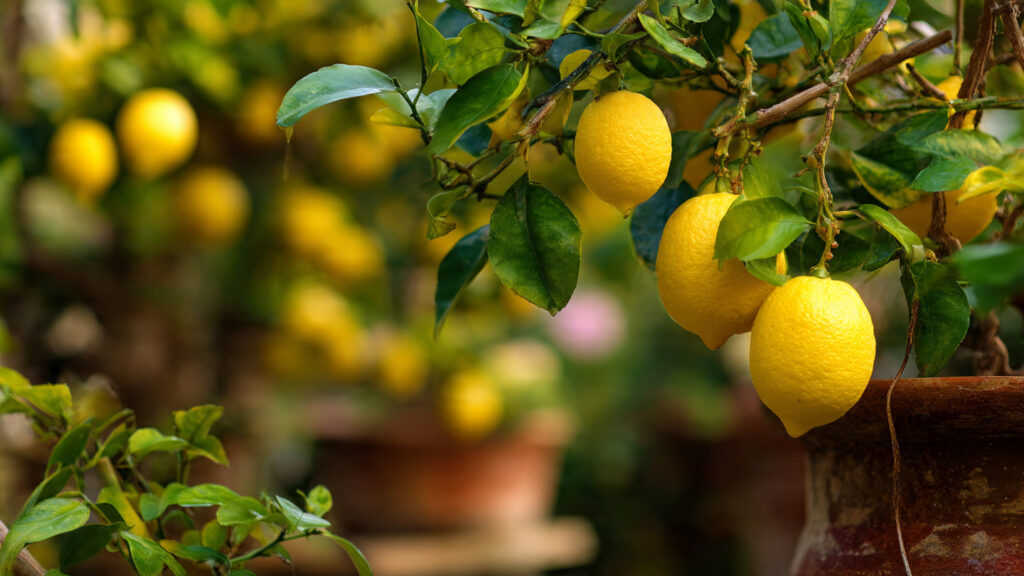
Lemon trees are beloved for their fragrant blossoms, vibrant green foliage, and tangy, refreshing fruits. While purchasing a young lemon tree from a nursery is the most common approach, growing lemons from seeds is an exciting, rewarding, and cost-effective option for home gardeners. Not only does it give you a sense of accomplishment, but it also allows you to experiment with different lemon varieties and enjoy a fully organic, homegrown journey. Growing lemons from seeds requires patience and careful attention, but with the right technique, anyone can succeed. This complete step-by-step guide will show you how to cultivate healthy lemon trees from seeds right in your own home.
Step 1: Selecting High-Quality Seeds
The first step in growing lemons from seeds is choosing viable seeds:
- Source: Use fresh seeds from ripe, healthy lemons. Organic lemons are preferred as they are free from chemical treatments that can inhibit germination.
- Variety: Common home-friendly varieties include Eureka, Lisbon, and Meyer lemons. Meyer lemons are particularly popular for indoor cultivation due to their sweeter flavor and compact size.
- Seed quality: Select plump seeds, avoiding any that are shriveled, soft, or damaged. Healthy seeds have the highest chance of germination.
Step 2: Preparing the Seeds
Proper seed preparation improves germination rates:
- Extract seeds: Remove seeds carefully from the lemon fruit.
- Clean seeds: Rinse seeds under running water to remove any pulp, which can harbor bacteria or mold.
- Optional soaking: Soak the seeds in room temperature water for 24 hours. This softens the seed coat and encourages faster sprouting.
These preparatory steps help create an optimal environment for germination.
Step 3: Choosing the Right Container
The container you use can significantly influence seedling success:
- Size: Use a small pot or seed tray with 2–3 inches depth for initial germination. Larger pots can be used later for transplanting.
- Drainage: Ensure the container has drainage holes to prevent waterlogging.
- Material: Plastic, ceramic, or biodegradable seed pots work well. Biodegradable pots allow for easy transplanting without disturbing the roots.
A well-chosen container ensures seeds receive the right amount of moisture and aeration.
Step 4: Selecting a Suitable Growing Medium
Lemon seeds require light, well-draining soil:
- Potting mix: Use a seed-starting mix or a combination of peat moss and perlite (2:1 ratio).
- Avoid heavy garden soil: Dense soils retain too much water, leading to rot.
- Optional amendment: Adding a small amount of sand improves drainage and prevents compaction.
A nutrient-rich but light medium gives seeds the best start for healthy root development.
Step 5: Planting the Seeds
Follow these steps for successful planting:
- Fill the container with your prepared soil mix.
- Plant seeds ¼ to ½ inch deep, gently pressing soil over them.
- Space seeds about 1 inch apart if using a tray, allowing room for seedlings to grow.
- Water lightly to moisten the soil without washing seeds away.
Planting at the correct depth and spacing ensures seeds receive adequate moisture and warmth to sprout.
Step 6: Creating the Ideal Germination Environment
Lemon seeds need warmth, moisture, and light to germinate:
- Temperature: Keep the soil between 70–80°F (21–27°C). A warm windowsill, heated propagator, or seed mat works well.
- Moisture: Maintain even moisture. Cover the pot with plastic wrap or a clear dome to retain humidity. Remove the cover daily to allow air circulation and prevent mold.
- Light: Once seedlings emerge, provide bright indirect light for 10–12 hours per day. Avoid direct sunlight at this stage, which can scorch delicate seedlings.
Maintaining these conditions increases germination rates and promotes strong early growth.
Step 7: Germination Timeline
Lemon seeds typically take 2–4 weeks to germinate, though some may take up to 6 weeks. Be patient:
- First signs: A small green shoot emerges from the soil.
- True leaves: After initial seed leaves (cotyledons), the first true leaves appear, indicating healthy development.
Avoid disturbing seedlings during this period, and continue providing consistent moisture and warmth.
Step 8: Transplanting Seedlings
Once seedlings have 2–3 sets of true leaves and roots are well-established, it’s time to transplant:
➡️ How to Grow Malabar Spinach from Cuttings for Fast, Easy Greens
➡️ How to Grow Super Delicious Cabbage at Home Without a Garden
➡️ How to Grow Bean Sprouts at Home in Plastic Bottles Easily (Step‑by‑Step Guide)
➡️ Why is Your Lemon Tree Blooming in the Heart of Winter?
➡️ Why Should Your Garden Have a Dedicated Pollinator Highway?
➡️ Why Do Your Fruit Trees Need a Winter Wash to Thrive in Spring?
➡️ How Can Rice Water Transform Your Fruits into Sweeter Delights?
➡️ Jumpstart Your Winter Garden: Seed Starting Under Lights
- Choose a larger container (6–8 inches) with good drainage.
- Carefully lift seedlings, keeping the root system intact.
- Plant in fresh potting mix, firming soil gently around the roots.
- Water lightly to settle the soil.
Transplanting at the right stage prevents overcrowding and supports healthy growth.
Step 9: Providing Optimal Care for Young Lemon Trees
After transplanting, young lemon seedlings need careful attention:
- Sunlight: Gradually acclimate them to direct sunlight, starting with a few hours per day.
- Watering: Keep soil consistently moist but not soggy. Water when the top inch feels dry.
- Fertilization: Begin light feeding with a diluted organic fertilizer after 6–8 weeks. Nitrogen-rich fertilizers support leafy growth.
These steps nurture seedlings into strong, resilient lemon trees capable of thriving indoors or in your garden.
Step 10: Long-Term Container Growth
For home gardeners growing lemons in pots:
- Pot size: Upgrade to a 12–16 inch pot as the tree grows.
- Soil: Use a mix of potting soil, compost, and perlite for continued drainage and fertility.
- Support: Use stakes or small trellises for young branches if needed.
- Pruning: Trim to encourage bushier growth and remove weak or damaged branches.
Container-grown lemon trees can produce fruit after 3–5 years, depending on care and variety.
Managing Common Challenges
Growing lemons from seeds comes with some challenges:
- Slow growth: Seedlings may grow slowly in low light; increase exposure gradually.
- Pests: Watch for aphids, spider mites, or scale. Use neem oil or insecticidal soap.
- Diseases: Overwatering can cause root rot or fungal infections. Ensure proper drainage and avoid waterlogging.
- Cold sensitivity: Lemon seedlings are frost-sensitive. Protect them in cool climates or grow indoors.
Addressing these issues promptly ensures healthy seedlings and robust future fruit production.
Advantages of Growing Lemons from Seeds
Growing lemons from seeds has several benefits:
- Cost-effective: Seeds are inexpensive compared to nursery-bought trees.
- Experimentation: Try different varieties and discover new flavors.
- Satisfaction: Watching a tree grow from seed is deeply rewarding.
- Educational: It teaches patience, plant biology, and sustainable gardening techniques.
While patience is required, the long-term rewards make seed propagation a fulfilling experience.
Tips for Maximizing Success
To improve your chances of growing strong lemon trees from seeds:
- Use fresh seeds: Germination rates decrease with older seeds.
- Maintain warmth and humidity: Consistent conditions speed up sprouting.
- Rotate pots for even light: Prevent seedlings from leaning toward one side.
- Thin seedlings: Avoid overcrowding by transplanting extra seedlings into separate pots.
- Keep records: Track germination dates, watering, and fertilization schedules for future reference.
Following these tips enhances the success rate and helps produce healthy, fruitful lemon trees.
Conclusion
Growing lemons from seeds may require patience and attention, but it is entirely achievable for home gardeners. By carefully selecting seeds, preparing them correctly, providing optimal soil, light, and water conditions, and following a structured step-by-step process, you can cultivate robust lemon seedlings that will grow into mature, productive trees. With consistent care, these trees can provide fragrant flowers, luscious foliage, and delicious, tangy lemons for years to come.
Whether you have a sunny windowsill, balcony, or backyard garden, starting lemons from seeds allows you to experience the satisfaction of nurturing a tree from the very beginning and enjoying the fruits of your labor—literally.