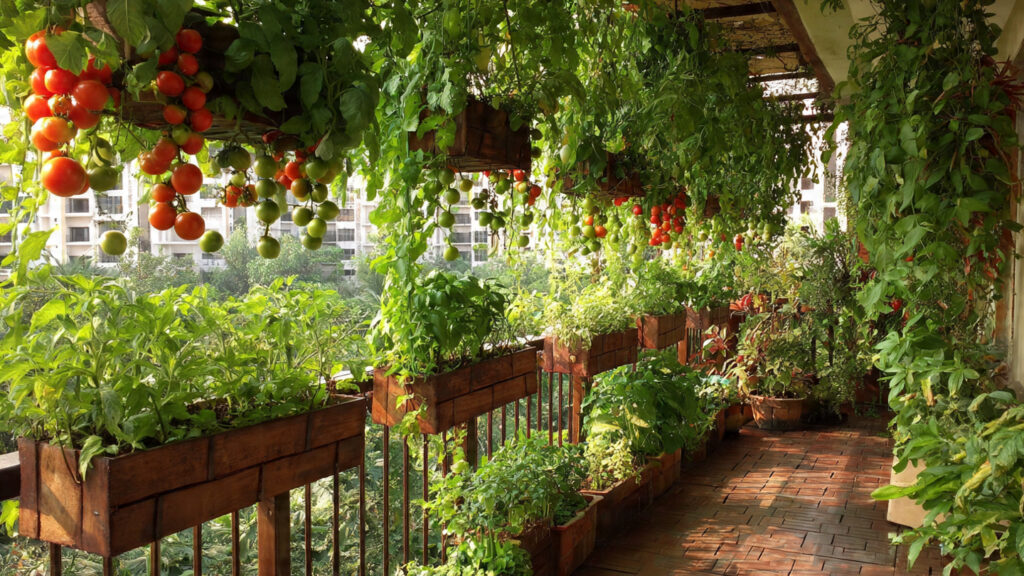
Urban living doesn’t mean you have to give up gardening. Even in small apartments, a bountiful vegetable garden on your balcony can become a reality with the right techniques and creative use of space. Balcony gardens not only provide fresh, homegrown vegetables but also enhance your living space with greenery and life. One of the most effective ways to maximize limited space is through hanging gardens, a vertical gardening method that combines beauty and practicality. In this guide, we’ll explore how to create an amazing balcony vegetable garden, including hanging garden ideas that will help you grow more with less space.
Why Balcony Gardening is the Future of Urban Farming
Balcony gardening has become increasingly popular for urban dwellers who want fresh produce without a traditional yard. Here’s why:
- Maximizes limited space: Using vertical and hanging gardens, you can grow dozens of vegetables in a small area.
- Reduces grocery costs: Fresh vegetables like tomatoes, lettuce, and herbs can save money and trips to the store.
- Improves air quality: Plants purify the air and add a natural cooling effect to your balcony.
- Promotes mental wellness: Gardening reduces stress, improves mood, and provides a sense of accomplishment.
With these benefits, even a tiny balcony can become a thriving vegetable oasis.
Choosing the Right Vegetables for Balcony Gardens
Not all vegetables thrive in containers or hanging setups. Choosing plants suited for your balcony ensures a higher yield and healthier growth.
Ideal Vegetables for Balcony Gardens
- Leafy greens: Lettuce, spinach, kale, and arugula grow quickly and thrive in containers.
- Herbs: Basil, mint, coriander, and parsley are perfect for hanging pots or vertical racks.
- Small fruits: Cherry tomatoes, peppers, and dwarf eggplants do well in pots.
- Root vegetables: Radishes, carrots, and baby beets can grow in deep containers.
- Climbers: Peas, beans, and cucumbers benefit from trellises or vertical support.
Tip: Opt for compact or dwarf varieties labeled “container-friendly” to maximize space and yield.
Creating the Perfect Container Setup
Containers are the backbone of any balcony garden. Choosing the right size, material, and drainage system is crucial for healthy vegetable growth.
- Size matters: Use deep pots (10-12 inches or more) for root vegetables and shallow wide pots for leafy greens.
- Materials: Plastic, ceramic, and terracotta pots all work, but ensure they have good drainage holes.
- Mobility: Lightweight containers are ideal for balconies, especially if you need to move them for sunlight.
Pro tip: Group containers based on water and sunlight needs. This simplifies care and prevents over- or underwatering.
Hanging Garden Ideas for Maximum Space Utilization
Hanging gardens are a game-changer for small spaces, allowing you to grow multiple vegetables without taking up floor space. Here are some creative hanging garden ideas:
1. Vertical Wall Planters
- Install wall-mounted pockets or shelves to hold pots and grow bags.
- Perfect for herbs, lettuce, and small flowers that need minimal soil.
- Add decorative trellis panels for climbing plants like peas or cherry tomatoes.
2. Hanging Pots from Railings
- Use sturdy hooks or chains to suspend pots from balcony railings.
- Ensure each pot has adequate drainage and enough space for sunlight exposure.
- Ideal for trailing vegetables like cherry tomatoes, strawberries, and cucumbers.
3. Tiered Plant Stands
- Multi-tiered shelves allow several plants in a small footprint.
- Combine with hanging baskets for a layered garden effect.
- Great for leafy greens, herbs, and dwarf vegetables.
4. Recycled Container Hangers
- Use old jars, tin cans, or bottles to create eco-friendly hanging planters.
- Drill small drainage holes and attach with strong ropes or hooks.
- Adds a rustic, DIY aesthetic while saving money and reducing waste.
Soil and Fertilizer Tips for Balcony Gardening
Vegetables in containers require nutrient-rich soil because they cannot draw from the ground like traditional gardens.
- Use potting mix: A high-quality potting mix with perlite or vermiculite ensures aeration and drainage.
- Add organic matter: Compost or worm castings boost nutrients and improve soil structure.
- Fertilize regularly: Apply liquid or slow-release fertilizer every 2-4 weeks to support growth and yield.
- pH balance: Most vegetables prefer slightly acidic to neutral soil (pH 6.0–7.0). Test your soil to avoid nutrient lockout.
Healthy soil ensures that vegetables grow faster, stay lush, and produce abundant fruit.
Watering Techniques for Balcony Gardens
Container-grown vegetables dry out faster than ground-grown plants, making proper watering essential.
- Consistency is key: Water when the top inch of soil feels dry.
- Deep watering: Ensure water reaches the roots, not just the surface.
- Self-watering pots: Great for busy schedules and maintaining consistent moisture.
- Avoid leaf wetting: Water at the base to prevent fungal diseases and leaf rot.
Tip: Morning watering reduces evaporation and ensures plants remain hydrated throughout the day.
Sunlight and Positioning
Vegetables require plenty of sunlight for photosynthesis and growth. Balcony orientation plays a big role:
- South-facing balconies: Provide 6-8 hours of sunlight, ideal for most vegetables.
- East-facing balconies: Morning sunlight works for leafy greens and herbs.
- West-facing balconies: Afternoon sun is strong but manageable with partial shading.
- North-facing balconies: Grow shade-tolerant vegetables and herbs.
Pro tip: Rotate containers every few weeks for even sunlight exposure.
Pest and Disease Management on Balconies
Even small gardens can attract pests, but careful planning and preventive measures minimize damage:
➡️ How to Grow Malabar Spinach from Cuttings for Fast, Easy Greens
➡️ How to Grow Super Delicious Cabbage at Home Without a Garden
➡️ How to Grow Bean Sprouts at Home in Plastic Bottles Easily (Step‑by‑Step Guide)
➡️ Why is Your Lemon Tree Blooming in the Heart of Winter?
➡️ Why Should Your Garden Have a Dedicated Pollinator Highway?
➡️ Why Do Your Fruit Trees Need a Winter Wash to Thrive in Spring?
➡️ How Can Rice Water Transform Your Fruits into Sweeter Delights?
➡️ Jumpstart Your Winter Garden: Seed Starting Under Lights
- Common pests: Aphids, spider mites, and whiteflies.
- Natural remedies: Use neem oil, insecticidal soap, or introduce beneficial insects like ladybugs.
- Air circulation: Avoid overcrowding containers to prevent fungal issues.
- Cleanliness: Remove dead leaves and fallen debris to reduce disease risk.
Balcony gardens are easier to monitor than large gardens, so pests can be detected early and managed effectively.
Creative Balcony Garden Design Tips
- Mix colors and textures: Combine leafy greens, colorful peppers, and flowering plants for aesthetic appeal.
- Use hanging baskets for trailing plants: Create cascading greenery that softens railings and walls.
- Incorporate trellises: Vertical trellises add height and allow climbing vegetables to thrive.
- Personal touches: Small benches, fairy lights, or decorative planters can transform a functional balcony garden into a relaxing urban oasis.
Harvesting Tips for Balcony Vegetable Gardens
- Leafy greens: Harvest outer leaves regularly to encourage new growth.
- Fruiting vegetables: Pick cherry tomatoes, peppers, and cucumbers as soon as they ripen to encourage continuous production.
- Herbs: Frequent trimming keeps herbs bushy and flavorful.
- Root vegetables: Check maturity based on size indicated on seed packets to prevent overgrowth.
Regular harvesting keeps your balcony garden productive and ensures vegetables are fresh and flavorful.
Conclusion
Creating an amazing vegetable garden on your balcony is entirely achievable, even in small urban spaces. By combining smart container choices, proper soil, consistent watering, and creative hanging garden ideas, you can grow a thriving garden that provides fresh vegetables, herbs, and a touch of nature to your home.
From vertical wall planters to hanging pots and tiered stands, these techniques maximize space while keeping your balcony visually appealing. With care, creativity, and patience, your balcony can become a lush, productive vegetable oasis, supplying fresh, homegrown produce all year round.
Balcony gardening is not just about growing vegetables—it’s about creating a personal retreat, a green space that nurtures both your plants and your well-being. With these tips and hanging garden ideas, you’ll be ready to transform your balcony into a flourishing garden paradise.