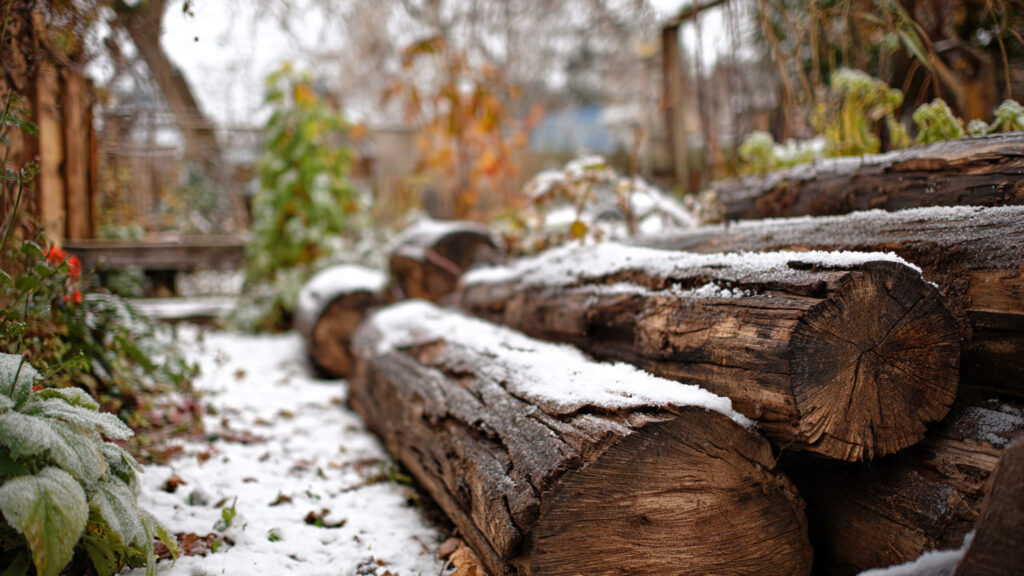
Winter is often a quiet season for gardeners, with frost-covered soil and dormant plants making the garden seem lifeless. Yet, this is the perfect time to prepare for a thriving spring harvest. One technique that is increasingly gaining attention among eco-conscious and practical gardeners is burying old logs in garden beds during the winter months. While it may sound unconventional, this practice offers a variety of benefits, from enriching soil fertility to supporting biodiversity. In this article, we explore why you should consider burying old logs in your garden, how to do it effectively, and what advantages it can bring to your soil, plants, and local ecosystem.
Why Winter is the Perfect Time
The colder months provide a unique opportunity to prepare your garden for spring without disturbing actively growing plants. Winter has several advantages for log-burying:
- Reduced Plant Competition: Most plants are dormant, so burying logs won’t damage active roots.
- Moisture Retention: Winter rain and snow help soak the logs and start the decomposition process naturally.
- Time for Decomposition: Logs buried in winter have months to break down, enriching soil by spring.
- Pest Reduction: Cold temperatures limit pest activity, making it easier to manage any insects living in the logs.
By taking advantage of the winter downtime, gardeners can prepare the soil for a more productive growing season.
The Science Behind Burying Logs
Burying old logs in garden beds is more than just recycling wood—it’s a soil-enhancing technique grounded in ecology. When logs decompose underground, they provide several benefits:
1. Soil Fertility
As logs break down, they release essential nutrients like:
- Nitrogen
- Phosphorus
- Potassium
- Trace minerals
This slow-release nutrient supply supports plant growth throughout the growing season. Unlike synthetic fertilizers that can leach away or harm soil microbes, decomposing wood creates a natural, long-term source of nourishment for your garden.
2. Improved Soil Structure
Decomposing logs create channels and pockets in the soil, improving aeration and drainage. Benefits include:
- Reduced soil compaction
- Enhanced root penetration
- Better water retention in dry conditions
Garden beds with buried logs often produce healthier plants with stronger root systems because of this improved structure.
3. Support for Beneficial Microorganisms
Microbes are essential for healthy soil, and buried logs provide a perfect habitat for them:
- Fungi and bacteria break down the wood, releasing nutrients into the soil.
- Mycorrhizal fungi form symbiotic relationships with plant roots, improving nutrient absorption.
- Decomposing logs encourage a balanced microbial ecosystem, reducing disease pressure.
A single buried log can support an entire microscopic ecosystem that benefits your garden plants.
Additional Ecological Benefits
Beyond soil improvement, burying logs also supports garden biodiversity:
- Habitat for Insects: Beneficial insects like beetles, earthworms, and predatory bugs inhabit decomposing logs, contributing to pest control.
- Attracts Pollinators: Some flowering plants may benefit indirectly when insects flourish in a healthy soil ecosystem.
- Carbon Sequestration: Burying wood helps store carbon in the soil, reducing its release into the atmosphere and supporting climate-friendly gardening.
These benefits make log-burying a win-win for both gardeners and the environment.
How to Bury Logs in Your Garden Beds
Burying logs doesn’t require heavy equipment or expertise, but proper preparation ensures maximum benefit. Here’s a step-by-step guide:
1. Select Appropriate Logs
- Choose hardwood logs (oak, maple, birch) for slow decomposition and long-term benefits.
- Avoid logs from diseased trees or chemically treated wood.
- Cut logs into manageable lengths, typically 2–3 feet, to make handling easier.
2. Prepare the Garden Bed
- Loosen the soil where the logs will be buried.
- Remove weeds or debris that could interfere with decomposition.
- Consider mixing the soil with organic compost for added nutrients.
3. Dig Trenches
- Dig trenches about 12–18 inches deep, depending on the size of the logs.
- Place logs horizontally at the bottom of the trench, ensuring they’re in close contact with the soil.
4. Layer Organic Material (Optional)
- Add a layer of leaves, grass clippings, or compost over the logs.
- This accelerates decomposition and prevents large air gaps.
5. Cover and Water
- Backfill the trench with soil, packing lightly.
- Water thoroughly to help start the decomposition process.
6. Mulch the Surface
- Cover the area with mulch to retain moisture and protect soil during winter.
- Mulching also prevents erosion and adds another layer of organic matter as it decomposes.
Choosing the Right Plants to Grow Over Logs
Not all plants perform equally over buried logs, but many vegetable, herb, and flower crops thrive in these enriched beds:
- Leafy greens: Spinach, lettuce, kale
- Root vegetables: Carrots, beets, radishes
- Fruiting vegetables: Tomatoes, peppers, zucchini
- Herbs: Basil, parsley, chives
Raised beds with buried logs often see earlier growth and higher yields, as the decomposing wood acts like an underground compost heap, providing warmth and nutrients.
➡️ How to Grow Malabar Spinach from Cuttings for Fast, Easy Greens
➡️ How to Grow Super Delicious Cabbage at Home Without a Garden
➡️ How to Grow Bean Sprouts at Home in Plastic Bottles Easily (Step‑by‑Step Guide)
➡️ Why is Your Lemon Tree Blooming in the Heart of Winter?
➡️ Why Should Your Garden Have a Dedicated Pollinator Highway?
➡️ Why Do Your Fruit Trees Need a Winter Wash to Thrive in Spring?
➡️ How Can Rice Water Transform Your Fruits into Sweeter Delights?
➡️ Jumpstart Your Winter Garden: Seed Starting Under Lights
The Hugelkultur Principle
Burying logs in garden beds is closely related to hugelkultur, a gardening technique developed in Europe:
- Hugelkultur involves creating raised beds over decaying wood, branches, and other organic material.
- The logs serve as a slow-release nutrient source and help retain moisture.
- The technique is particularly beneficial for drought-prone areas or nutrient-poor soil.
Even a simple winter log burial in a flat bed can mimic some of the advantages of hugelkultur, creating richer soil and more resilient plants.
Common Questions About Burying Logs
Q1: Can I bury old, soft, or rotting logs?
- Softwood or partially rotted logs decompose faster and release nutrients more quickly, but they may also attract pests. Hardwood logs offer longer-term benefits.
Q2: Will buried logs affect planting depth?
- Slightly raised beds over logs may require adjusting planting depth. Start seedlings slightly higher if soil above the logs is loose.
Q3: How long before benefits appear?
- Initial benefits, such as improved drainage and microbial activity, appear within a few months. Nutrient release continues for several years.
Safety Considerations
While burying logs is generally safe, keep the following in mind:
- Avoid logs treated with chemicals, paints, or preservatives.
- Remove any signs of fungal disease or mold that could harm garden plants.
- Ensure logs are buried deep enough to prevent pests or rodents from nesting above ground.
By following these precautions, you can maximize the benefits without introducing risks to your garden.
Observing the Results
Gardening with buried logs offers subtle but noticeable improvements over time:
- Soil becomes darker, richer, and easier to work.
- Plants grow more vigorously with stronger roots.
- Water retention improves, reducing the need for frequent irrigation.
- Beneficial insects and earthworms populate the soil, improving soil health further.
Documenting your progress with photos or notes each season helps track the long-term benefits of this practice.
Final Thoughts
Burying old logs in your garden beds during winter is an easy, sustainable, and highly effective way to improve soil health, enrich plant growth, and support biodiversity. While it may seem like a simple act, the ecological impact is significant: decomposing logs create fertile soil, support beneficial microorganisms and insects, and enhance water retention. Over time, your garden will benefit from higher yields, healthier plants, and a more resilient ecosystem.
Winter downtime is the perfect opportunity to implement this technique. By selecting the right logs, preparing your garden beds, and layering organic matter, you can harness the power of nature to create a thriving garden in spring and beyond. If you haven’t tried burying logs yet, this season is the ideal time to start—and your future garden will thank you.