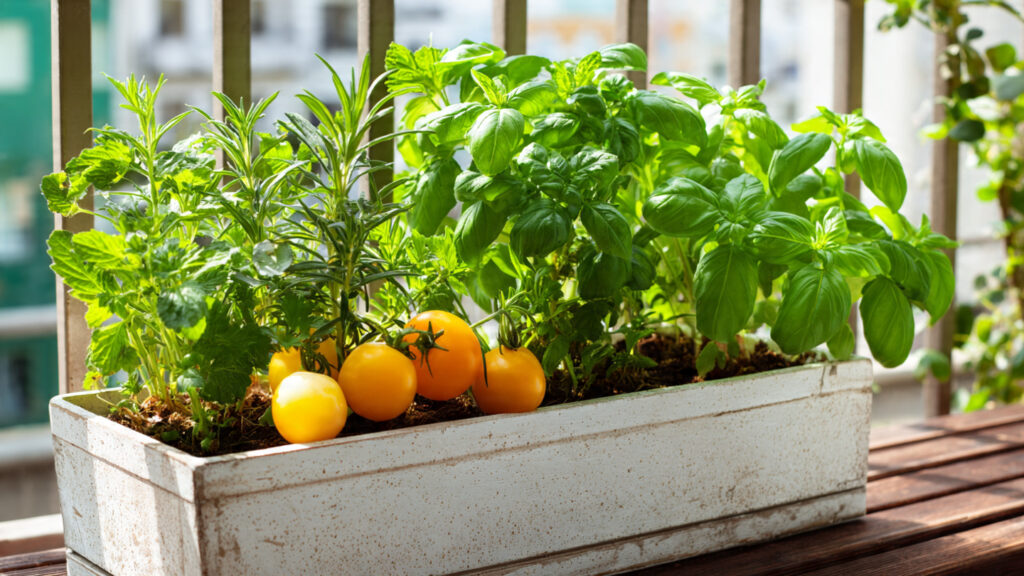
In today’s fast-paced urban lifestyle, space is often limited, and access to fresh, chemical-free produce can be a challenge. Balcony farming has emerged as an innovative solution, allowing city dwellers to grow vegetables at home—even in the tiniest of spaces. Beyond providing fresh produce, balcony farming transforms your lifestyle, boosts well-being, and reconnects you with nature.
This guide explores the benefits of growing vegetables on your balcony and practical tips to turn your urban space into a thriving, sustainable mini-garden.
Why Balcony Farming Matters
Balcony farming is more than a hobby—it’s a lifestyle change that offers health, financial, and environmental benefits:
- Fresh and organic produce: Grow tomatoes, herbs, lettuce, chilies, and more without pesticides.
- Cost savings: Reduce grocery bills while enjoying vegetables grown at home.
- Mental health benefits: Gardening lowers stress, improves mood, and encourages mindfulness.
- Environmental impact: Reduce carbon footprint by cutting down on transported produce.
- Educational opportunities: Learn about plant growth, seasonal cycles, and sustainable practices.
Reality Check: Even a small balcony can yield a significant amount of vegetables if you use vertical gardening, container farming, and smart planting techniques.
Choosing the Right Vegetables for Your Balcony
Not all vegetables are ideal for balcony farming. Select crops based on space, sunlight, and ease of care:
- Leafy greens: Spinach, lettuce, kale, and arugula grow quickly in small containers.
- Herbs: Basil, mint, coriander, and thyme thrive in pots and hanging baskets.
- Fruiting plants: Cherry tomatoes, chilies, bell peppers, and dwarf varieties of cucumbers work well.
- Root vegetables: Radishes, carrots, and baby beets grow in deep pots.
Pro Tip: Start with vegetables that match your climate and balcony sunlight exposure. Partial shade may require leafy greens, while full sun supports tomatoes and chilies.
Essential Equipment for Balcony Farming
Transforming your balcony into a productive vegetable garden requires a few essentials:
- Containers and Pots:
- Use pots, grow bags, or recycled containers with drainage holes.
- Deep containers are ideal for root vegetables; shallow ones work for herbs.
- Soil and Fertilizer:
- Use well-draining, nutrient-rich potting soil.
- Add compost or organic fertilizer for healthier, faster-growing vegetables.
- Vertical Supports:
- Trellises, netting, or hanging baskets maximize space.
- Vertical growth works well for tomatoes, cucumbers, and beans.
- Watering Tools:
- A watering can, drip irrigation system, or self-watering pots ensures consistent moisture.
- Avoid overwatering to prevent root rot.
Pro Tip: Lightweight containers help avoid overloading the balcony structure.
Maximizing Limited Space
Space is often the biggest challenge for urban gardeners. Smart planning ensures you get the most out of your balcony:
- Vertical gardening: Stack pots or use wall-mounted planters.
- Hanging baskets: Grow trailing herbs or cherry tomatoes from railings.
- Tiered shelves: Utilize corners or unused space for multiple layers of plants.
- Companion planting: Plant compatible crops together, like basil with tomatoes, to optimize space.
Reality Check: Even a small balcony can produce a diverse harvest if vertical and container gardening techniques are applied.
Lighting Requirements
Sunlight is essential for vegetable growth:
- Full sun vegetables: Tomatoes, chilies, cucumbers, and peppers require 6–8 hours of sunlight.
- Partial shade vegetables: Leafy greens, herbs, and root vegetables can grow in 3–4 hours of sunlight.
- Artificial lighting: In apartments with limited sunlight, use LED grow lights to supplement natural light.
Pro Tip: Observe the balcony at different times of day to identify the sunniest spots for sun-loving vegetables.
Watering and Fertilization
Proper watering and feeding are critical for healthy balcony vegetables:
- Watering: Keep soil evenly moist but avoid waterlogging. Deep watering encourages stronger root systems.
- Fertilization: Use organic liquid fertilizers or compost tea every 2–3 weeks during the growing season.
- Mulching: Apply organic mulch to retain moisture, reduce weeds, and keep roots cool.
Reality Check: In containers, nutrients wash away faster than in the ground, so regular feeding is essential.
Pest and Disease Management
Even small-scale balcony gardens can attract pests. Natural solutions are ideal for home-grown vegetables:
➡️ How to Grow Malabar Spinach from Cuttings for Fast, Easy Greens
➡️ How to Grow Super Delicious Cabbage at Home Without a Garden
➡️ How to Grow Bean Sprouts at Home in Plastic Bottles Easily (Step‑by‑Step Guide)
➡️ Why is Your Lemon Tree Blooming in the Heart of Winter?
➡️ Why Should Your Garden Have a Dedicated Pollinator Highway?
➡️ Why Do Your Fruit Trees Need a Winter Wash to Thrive in Spring?
➡️ How Can Rice Water Transform Your Fruits into Sweeter Delights?
➡️ Jumpstart Your Winter Garden: Seed Starting Under Lights
- Common pests: Aphids, spider mites, whiteflies, and caterpillars.
- Organic control: Neem oil, insecticidal soap, and homemade garlic sprays are effective.
- Prevention: Rotate crops, inspect leaves regularly, and remove damaged foliage.
Pro Tip: Healthy plants with proper spacing and care are less prone to infestations.
Seasonal Tips for Balcony Farming
Different vegetables thrive in different seasons:
- Spring and summer: Warm-season vegetables like tomatoes, peppers, and cucumbers flourish.
- Autumn and winter: Leafy greens, radishes, and herbs grow well in cooler months.
- Succession planting: Plant new crops every few weeks to maintain a continuous harvest.
Reality Check: Understanding seasonal requirements ensures year-round productivity.
Health and Lifestyle Benefits
Balcony farming offers more than just vegetables:
- Nutritional boost: Freshly harvested vegetables retain higher vitamins and minerals than store-bought produce.
- Stress relief: Gardening promotes mindfulness and reduces anxiety.
- Physical activity: Planting, watering, and pruning keep you active.
- Family engagement: Children can learn about plant growth, responsibility, and healthy eating.
Pro Tip: Incorporate gardening into daily routines for maximum lifestyle benefits.
Making Balcony Farming Sustainable
Balcony farming can also contribute to sustainability:
- Composting: Reuse kitchen scraps to create organic fertilizer.
- Water conservation: Collect rainwater or reuse gray water for irrigation.
- Recycled containers: Use old buckets, crates, or jars for planting.
- Native plants: Choose vegetables suited to local climates to reduce energy inputs.
Reality Check: Sustainable practices make balcony farming eco-friendly and cost-effective.
Transforming Your Life with Balcony Farming
Balcony farming is more than a way to grow food—it transforms daily life:
- Enhanced connection with nature: Even in a city, a small garden brings you closer to the earth.
- Food security: Grow your own vegetables and reduce reliance on external sources.
- Sense of achievement: Watching plants grow and produce harvests provides satisfaction and joy.
- Aesthetic improvement: A green balcony is visually appealing and increases home value.
Pro Tip: Treat your balcony as a mini-garden sanctuary—a space to relax, grow, and enjoy fresh produce.
Conclusion
Balcony farming is an accessible and transformative way to incorporate fresh vegetables, greenery, and sustainability into urban living. By carefully selecting vegetables, using containers and vertical gardening, managing sunlight, water, and nutrients, and maintaining healthy plants, you can turn even the smallest balcony into a productive mini-garden.
Beyond the tangible benefits of fresh produce, balcony farming improves mental health, encourages eco-friendly habits, and adds beauty to your living space. Whether you have a sprawling terrace or a tiny balcony corner, this simple yet powerful practice can revolutionize your lifestyle—one pot of vegetables at a time.