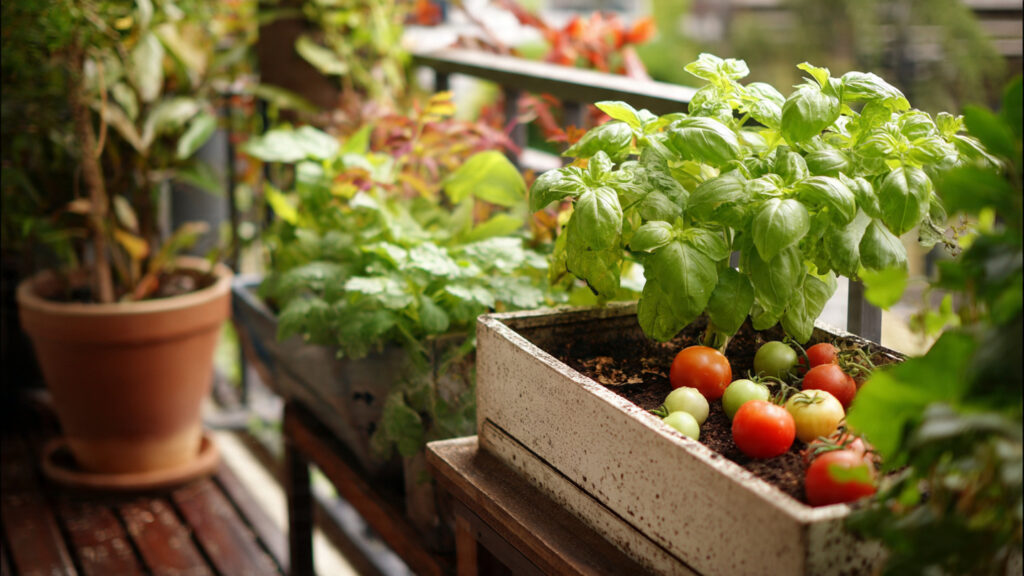
In today’s fast-paced world, families are looking for ways to connect, spend quality time, and eat healthier. One of the most rewarding ways to achieve all three is through a balcony garden. Even in urban spaces, growing your own fruits, vegetables, and herbs is possible and incredibly fulfilling. Not only does it teach children about nature and responsibility, but it also brings the joy of harvesting fresh, organic food right at home.
Creating a successful balcony garden requires planning, creativity, and teamwork. Here are practical tips to help families maximize their balcony space and grow fresh food together.
1. Start with a Family-Friendly Plan
Before buying seeds or pots, involve everyone in the planning process. Discuss what vegetables, fruits, or herbs your family enjoys eating and what can realistically grow on your balcony.
Tips for planning:
- List your favorite fresh foods.
- Check the balcony’s sunlight exposure—most vegetables need 4–6 hours of sun daily.
- Choose plants suitable for container gardening, like tomatoes, peppers, lettuce, or herbs.
- Assign responsibilities—watering, harvesting, and planting can be divided among family members.
Planning together gives children a sense of ownership and excitement about their garden.
2. Optimize Your Balcony Space
Space is often the biggest challenge in balcony gardening, but vertical and creative solutions can turn small areas into productive gardens.
Space-saving strategies:
- Vertical planters: Use wall-mounted pockets or shelves to grow herbs, strawberries, or small greens.
- Hanging baskets: Ideal for cherry tomatoes, trailing herbs, or flowers that attract pollinators.
- Rail planters: Perfect for leafy greens or compact vegetables.
- Stacked pots: Utilize tiered plant stands for multiple crops in limited space.
Efficient use of space ensures you can grow more food without overcrowding.
3. Choose the Right Containers and Soil
Healthy plants start with the right containers and soil.
Container tips:
- Use pots with drainage holes to prevent waterlogging.
- Select lightweight materials like plastic or fabric grow bags for easy movement.
- Choose larger pots for plants with deep roots, such as tomatoes or peppers.
Soil tips:
- Use a high-quality potting mix, not garden soil, for proper drainage and nutrient retention.
- Add compost or organic fertilizer to enrich the soil.
- Avoid overpacking soil; roots need room to grow.
Healthy soil and containers give plants the foundation they need to thrive.
4. Select Easy-to-Grow Crops for Families
Starting with easy crops ensures quick success and keeps everyone motivated.
Best beginner-friendly crops for balconies:
- Leafy greens: Lettuce, spinach, and kale grow quickly and are perfect for salads.
- Herbs: Basil, mint, cilantro, and parsley are easy to maintain and enhance family meals.
- Tomatoes: Cherry tomatoes thrive in containers and are fun for kids to harvest.
- Peppers: Bell peppers or small chili varieties add color and flavor.
- Radishes and carrots: Compact root vegetables are easy to plant in deep pots.
These crops are forgiving, provide quick results, and make the gardening experience rewarding for the whole family.
➡️ How to Grow Malabar Spinach from Cuttings for Fast, Easy Greens
➡️ How to Grow Super Delicious Cabbage at Home Without a Garden
➡️ How to Grow Bean Sprouts at Home in Plastic Bottles Easily (Step‑by‑Step Guide)
➡️ Why is Your Lemon Tree Blooming in the Heart of Winter?
➡️ Why Should Your Garden Have a Dedicated Pollinator Highway?
➡️ Why Do Your Fruit Trees Need a Winter Wash to Thrive in Spring?
➡️ How Can Rice Water Transform Your Fruits into Sweeter Delights?
➡️ Jumpstart Your Winter Garden: Seed Starting Under Lights
5. Watering Wisely
Watering is essential but often mishandled in balcony gardens. Overwatering or underwatering can harm plants.
Watering tips:
- Check soil moisture daily. Stick your finger into the soil; if it feels dry 1-2 inches down, it’s time to water.
- Water early in the morning or late in the evening to reduce evaporation.
- Use self-watering pots or add a layer of mulch to retain moisture.
- Teach children to water gently to avoid soil erosion or damaging seedlings.
Proper watering ensures healthy plants and prevents unnecessary stress for both the plants and your family.
6. Provide Adequate Sunlight
Most vegetables and herbs need at least 4–6 hours of direct sunlight each day. Lack of sunlight can result in slow growth or weak plants.
Sunlight tips:
- Rotate pots every few days to ensure even growth.
- Use reflective surfaces, like light-colored walls, to increase sunlight exposure.
- If your balcony is shaded, choose low-light crops like spinach, kale, or mint.
Sunlight is the engine that powers your balcony garden—optimizing it is key to success.
7. Involve Children in Gardening
Gardening is a wonderful way for children to learn life skills, responsibility, and patience.
Ways to involve kids:
- Let them choose a plant to grow on their own.
- Assign small tasks like watering or harvesting.
- Teach them about plant growth cycles, pests, and composting.
- Celebrate small successes, such as the first leaf sprout or harvested tomato.
Active participation fosters curiosity, teamwork, and pride in nurturing living things.
8. Use Companion Planting
Companion planting is a technique where certain plants grow well together and support each other’s growth.
Examples for balcony gardens:
- Basil planted near tomatoes improves flavor and deters pests.
- Marigolds among vegetables can repel insects naturally.
- Lettuce or spinach can grow under taller tomato plants for shade and space efficiency.
Companion planting maximizes space, reduces pests, and encourages healthy growth.
9. Keep Pests Under Control Naturally
Even small balcony gardens can attract pests. Avoid chemical pesticides and opt for natural solutions that are safe for families.
Pest control tips:
- Introduce ladybugs or predatory insects to control aphids.
- Spray plants with a mixture of water and mild soap to eliminate small pests.
- Remove damaged or diseased leaves promptly to prevent spreading.
- Encourage birds by placing small feeders or water dishes nearby—they can help control insect populations.
Natural pest control keeps your garden safe for children and pets while promoting a healthy ecosystem.
10. Harvest Regularly and Teach Proper Techniques
Regular harvesting encourages continuous growth and ensures you enjoy the fruits of your labor.
Harvesting tips:
- Pick vegetables and herbs when ripe, rather than waiting too long.
- Use scissors or garden shears to avoid damaging plants.
- Teach children to identify ripe produce—it’s educational and fun.
- Rotate crops seasonally to maintain productivity year-round.
Harvesting together strengthens family bonds and creates a sense of accomplishment.
11. Compost and Recycle Kitchen Waste
Composting is a sustainable way to manage kitchen scraps while providing rich nutrients for your balcony garden.
Composting tips:
- Use a small compost bin for vegetable peels, fruit scraps, and coffee grounds.
- Avoid meat, dairy, and oily foods, which attract pests.
- Teach children to separate compostable items from trash.
- Mix finished compost into pots to enrich the soil naturally.
Composting closes the loop, reduces waste, and teaches children about environmental responsibility.
12. Celebrate the Family Gardening Experience
A balcony garden is more than just growing food—it’s about family bonding, learning, and fun.
Ways to celebrate:
- Cook a family meal together using freshly harvested produce.
- Take photos to track plant growth and create a gardening journal.
- Invite neighbors or friends for a mini “garden tasting” day.
- Reward children with small incentives for consistent care and participation.
Celebrating successes keeps motivation high and creates positive memories tied to gardening.
Final Thoughts
Creating a successful balcony garden for your family is not just about fresh produce—it’s about connection, education, and enjoyment. By carefully planning your space, choosing the right crops, involving children, and maintaining consistent care, you can transform a simple balcony into a thriving garden oasis.
From the first seed to the last harvested vegetable, every step of the journey is an opportunity for learning and togetherness. With these tips, your family can enjoy fresh, nutritious food while building lasting bonds, all from the comfort of your own home.
A balcony garden proves that you don’t need acres of land to grow your own food. With creativity, patience, and teamwork, your small urban space can yield a bountiful harvest that nourishes both body and soul.