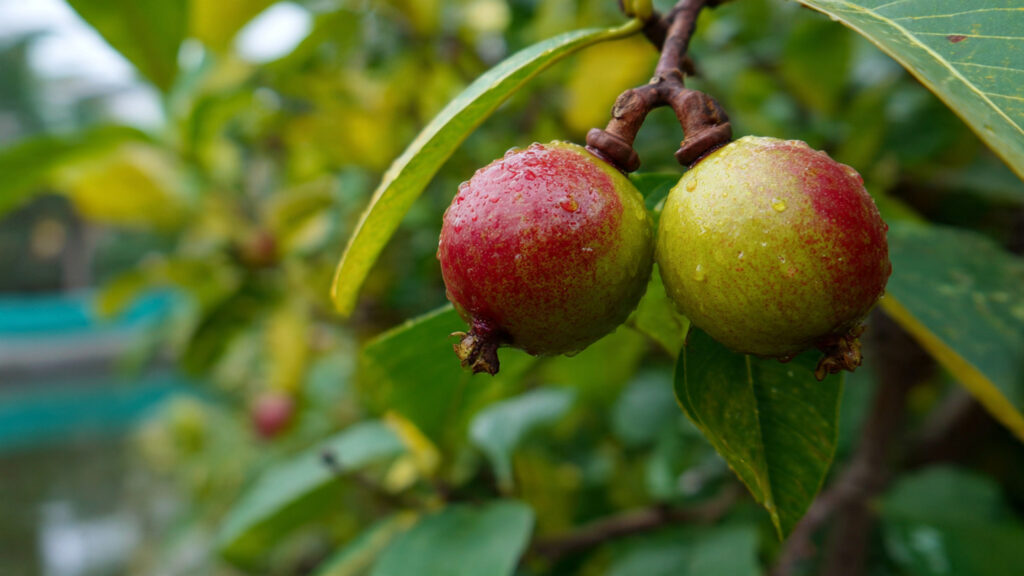
Guava trees are beloved for their delicious, vitamin-rich fruits, but anyone who has grown them knows the wait can be long. Seed-grown guava trees often take several years to bear fruit, and even grafted trees sometimes produce uneven yields. Enter banana fusion grafting, an innovative and surprising technique that has captivated gardeners seeking faster, heavier fruiting in guava trees. This method combines the science of grafting with the natural vigor of banana plants to stimulate growth, improve fruit quality, and accelerate production. In this article, we explore the step-by-step process, benefits, and expert tips for successfully implementing banana fusion grafting in your home or orchard.
What is Banana Fusion Grafting?
Banana fusion grafting is a horticultural technique where a banana pseudostem or tissue is used as an interstock to enhance the growth and productivity of guava trees. Unlike traditional grafting methods that combine two varieties of the same species, banana fusion introduces a vigorous growth stimulator. The banana tissue encourages nutrient and water efficiency, hormonal balance, and accelerated growth in the guava scion, leading to faster flowering, fruiting, and increased yield.
Though it may sound unconventional, this method has shown promising results in tropical and subtropical regions where both banana and guava thrive. Gardeners have reported that banana fusion grafted guava trees can bear fruits earlier, produce heavier fruits, and even develop stronger branches capable of supporting larger fruit clusters.
Benefits of Banana Fusion Grafting
- Faster Fruit Production: Guava trees grafted using the banana interstock can produce fruit 1–2 years earlier than traditional grafted or seed-grown trees.
- Heavier Fruits: Enhanced nutrient uptake and hormonal stimulation result in plumper, juicier guavas.
- Stronger Tree Structure: Banana tissue helps develop sturdier branches, reducing the risk of breakage under the weight of fruit.
- Disease Resistance: Some gardeners report improved resilience to root rot and fungal diseases, likely due to enhanced vigor.
- High Survival Rate: With proper technique, banana fusion grafting has a high success rate compared to some traditional grafting methods.
This combination of early yield and robust growth makes banana fusion grafting a valuable tool for small-scale growers and orchardists alike.
Materials Needed for Banana Fusion Grafting
Before starting, gather the necessary materials:
- Healthy Guava Rootstock: Choose a young, vigorous guava plant, ideally 6–12 months old.
- Guava Scion: A 1–2-year-old branch from a healthy, high-yielding guava tree.
- Banana Interstock: Fresh banana pseudostem or a small, healthy shoot from a banana plant.
- Sharp Knife or Grafting Blade: Sterilized to prevent infection.
- Grafting Tape or Para Film: For securing grafts.
- Grafting Wax: Optional, to seal the union and prevent moisture loss.
- Clean Water and Shaded Area: For aftercare.
Having all materials ready ensures the grafting process is smooth and increases your chances of success.
Step-by-Step Banana Fusion Grafting Process
Step 1: Preparing the Rootstock
Select a young guava tree with a healthy root system. Cut the main stem at a suitable height, typically 30–50 cm above the soil. Trim any leaves or branches that could interfere with the graft. Ensure the cut is clean and straight to provide a flat surface for the banana interstock.
Step 2: Preparing the Banana Interstock
Select a healthy banana pseudostem or shoot. Cut a segment approximately 15–20 cm long. Remove the outer layers carefully to expose the inner tissue, which will act as a conduit for nutrients and growth hormones. Shape the base to fit snugly onto the guava rootstock.
Step 3: Preparing the Guava Scion
Take a guava scion from a healthy tree with desired fruiting characteristics. Trim the base into a wedge or slant that will fit the top of the banana interstock. Remove lower leaves while keeping 2–3 healthy leaves at the tip to support photosynthesis.
Step 4: Assembling the Graft
- Place the banana interstock onto the guava rootstock, aligning their cambium layers as closely as possible.
- Place the guava scion on top of the banana interstock, again ensuring cambium alignment.
- Secure all connections with grafting tape or parafilm, making sure there are no gaps where air can enter.
Step 5: Sealing and Aftercare
Apply grafting wax if desired, especially around the base and union points, to prevent moisture loss. Place the grafted plant in a shaded, protected area for 2–3 weeks. Water regularly but avoid overwatering, which can lead to rot. Remove any shoots from the rootstock or banana interstock that compete with the guava scion.
Step 6: Monitoring Growth
Check the graft daily. Within 2–4 weeks, new growth should appear on the guava scion, indicating a successful union. Once the scion begins vigorous growth, gradually acclimate the plant to full sunlight. Continue regular watering, fertilization, and pest control to support healthy development.
Tips for Successful Banana Fusion Grafting
- Timing Matters: Perform grafting during the active growing season (spring or early monsoon) when both guava and banana plants are actively growing.
- Sterilization: Always use a sharp, sterilized blade to minimize infection.
- Cambium Alignment: The cambium layers of the rootstock, banana interstock, and guava scion must touch for the graft to succeed.
- Avoid Stress: Protect the graft from strong winds, direct sunlight, and pests during the initial healing period.
- Nutrient Support: Use balanced fertilizers to support growth, especially in the first three months.
Following these tips can dramatically increase the survival and success rate of banana fusion grafts.
Common Challenges and Solutions
- Graft Failure: Often due to poor cambium contact, drying, or infection. Ensure tight, clean connections and maintain moisture.
- Banana Interstock Decay: Banana tissue is soft and may rot if overwatered. Keep soil moist but well-drained.
- Delayed Growth: If the guava scion shows slow growth, check for pests, insufficient light, or nutrient deficiency. Adjust care accordingly.
Being vigilant in the first few weeks is crucial for long-term success.
Benefits for Home Gardeners and Small Orchards
Banana fusion grafting is particularly useful for gardeners who want quick, reliable results without sacrificing quality. Benefits include:
- Faster Harvests: Enjoy guava fruits 1–2 years earlier than traditional methods.
- Heavier Fruits: Larger, juicier fruits improve both taste and market value.
- Stronger Trees: Reduced risk of branch breakage supports heavier yields.
- Space Efficiency: Interstocks can sometimes reduce the overall height of the tree, making it manageable in small gardens.
For small orchard owners, this technique can significantly increase yearly output and profitability.
➡️ How to Grow Malabar Spinach from Cuttings for Fast, Easy Greens
➡️ How to Grow Super Delicious Cabbage at Home Without a Garden
➡️ How to Grow Bean Sprouts at Home in Plastic Bottles Easily (Step‑by‑Step Guide)
➡️ Why is Your Lemon Tree Blooming in the Heart of Winter?
➡️ Why Should Your Garden Have a Dedicated Pollinator Highway?
➡️ Why Do Your Fruit Trees Need a Winter Wash to Thrive in Spring?
➡️ How Can Rice Water Transform Your Fruits into Sweeter Delights?
➡️ Jumpstart Your Winter Garden: Seed Starting Under Lights
Conclusion
Banana fusion grafting is a fascinating and surprisingly effective technique to boost guava tree productivity. By using a banana interstock, gardeners can accelerate fruiting, produce heavier and tastier fruits, and enjoy stronger, more resilient trees. While it requires attention to detail, proper timing, and careful aftercare, the rewards are well worth the effort.
Whether you are a home gardener wanting faster harvests or an orchardist seeking higher yields, banana fusion grafting offers a unique solution that combines science, creativity, and nature’s vigor. By mastering this technique, you can enjoy a bountiful harvest of high-quality guavas faster than ever before, proving that innovation in gardening can lead to delicious and impressive results.