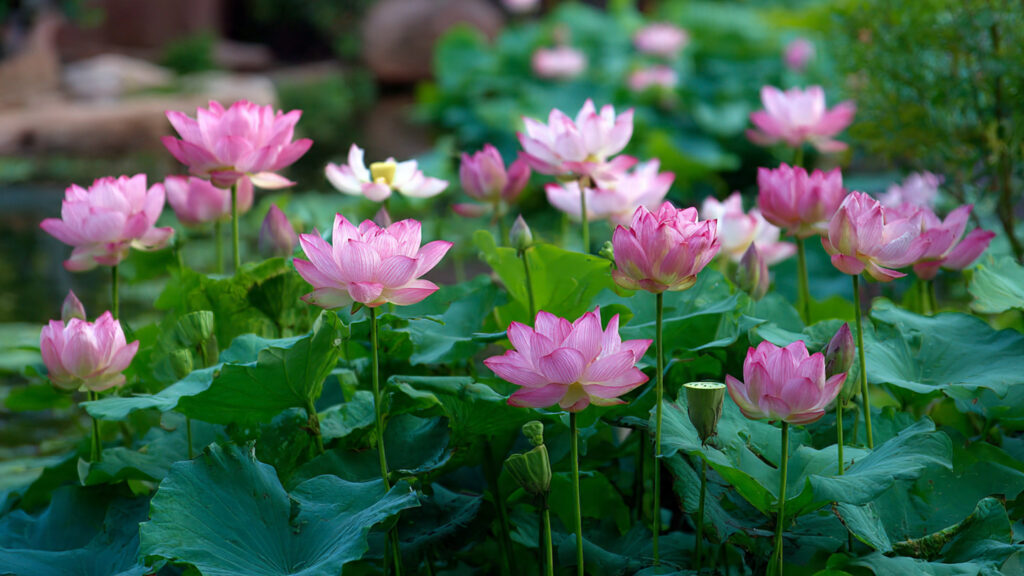
Creating a stunning front yard garden is every homeowner’s dream, and few plants make as dramatic an impact as the lotus flower. Known for its elegant blooms, symbolic beauty, and serene presence, lotus plants can transform any outdoor space into a tranquil, eye-catching sanctuary. Whether you have a small pond, water feature, or even a container, growing lotus at home is a rewarding way to elevate your garden aesthetics. In this guide, we explore beautiful front yard garden ideas and provide step-by-step instructions on how to grow lotus at home successfully.
Why Lotus is Perfect for Front Yard Gardens
Lotus plants are not just visually striking; they also offer several benefits for garden spaces:
- Aesthetic Appeal: Lotus flowers have large, vibrant blooms that command attention, making them a focal point in any front yard.
- Symbolism and Serenity: Traditionally, lotus represents purity, tranquility, and enlightenment, adding a spiritual dimension to your garden.
- Low Maintenance: Once established, lotus plants are hardy and can thrive in minimal care conditions.
- Eco-Friendly: Lotus provides natural shade for pond water, helping control algae growth and supporting aquatic ecosystems.
By incorporating lotus into your front yard design, you can combine beauty, symbolism, and functionality in one elegant package.
Choosing the Right Lotus Variety
Before planting, selecting the appropriate lotus variety is crucial for success. Lotus plants are available in tropical and hardy varieties, each with unique characteristics:
- Tropical Lotus: Blooms from summer to fall, requires warm temperatures, and produces large, colorful flowers.
- Hardy Lotus: Can survive cooler climates and often blooms in early summer, ideal for areas with cold winters.
Popular varieties include ‘Momo Botan’ (pink, fragrant blooms), ‘Empress’ (large pink flowers), and ‘Dawn’ (white petals with yellow centers). Choose a variety that matches your climate, garden size, and aesthetic preferences.
Designing a Front Yard Lotus Garden
Integrating lotus into your front yard requires thoughtful design. Consider these ideas:
- Pond Integration: If you have a pond, plant lotus in shallow sections near the edge for visibility. The flowers will rise above the water, creating a dramatic effect.
- Container Gardening: Lotus can thrive in large containers, making it perfect for small yards or patios. Use wide, shallow pots to accommodate spreading rhizomes.
- Layered Planting: Surround lotus with complementary water plants like water lilies, reeds, or marginal plants for a natural, layered look.
- Pathway Accents: Plant lotus near garden pathways or entrances to guide visitors’ eyes to the blooms.
- Lighting: Soft garden lights near lotus blooms create a magical nighttime ambiance, highlighting the flowers’ delicate colors.
With careful planning, your front yard can become a serene water garden oasis, perfect for relaxation and admiration.
Preparing to Grow Lotus at Home
Lotus plants grow from rhizomes, which are horizontal underground stems that produce roots and shoots. Growing lotus requires specific conditions:
- Containers: Use wide, shallow containers without drainage holes for container planting. Large tubs or ceramic pots work well.
- Soil: Heavy clay soil or aquatic planting soil is ideal. Avoid potting mixes with perlite or compost that may float.
- Water: Lotus thrives in water, so the soil must be submerged under 2–6 inches of water initially. As the plant grows, water depth can increase to 12–18 inches depending on variety.
- Sunlight: Lotus requires full sun for 6–8 hours daily. Ensure your chosen spot receives sufficient sunlight for robust growth and flowering.
Planting Lotus Rhizomes
Follow these steps to plant lotus successfully:
- Inspect Rhizomes: Choose healthy rhizomes with visible growth tips. Avoid damaged or soft rhizomes.
- Prepare the Container: Fill the container with 4–6 inches of aquatic soil. Make a small trench for the rhizome.
- Plant Carefully: Lay the rhizome horizontally, with the growth tip pointing upwards. Cover lightly with soil, leaving the tip exposed.
- Add Water: Gently add water to cover the soil by 2–4 inches. Avoid disturbing the rhizome during this process.
- Positioning: Place the container in a sunny, sheltered spot. Tropical lotus may need warmer conditions or indoor starting before transplanting outdoors.
Caring for Lotus Plants
Once planted, lotus requires consistent care for healthy growth and vibrant blooms:
Water Management
- Maintain water levels to keep soil submerged.
- Avoid stagnant water; gently circulate water to prevent algae buildup.
- Refill containers as water evaporates, especially during hot summer months.
Fertilization
- Use aquatic fertilizer tablets or slow-release fertilizer during the growing season.
- Apply fertilizer every 3–4 weeks to encourage lush foliage and abundant flowering.
- Avoid over-fertilizing, as it can promote excessive leaf growth over blooms.
Pruning and Maintenance
- Remove yellowed or dead leaves to maintain plant health and visual appeal.
- Cut back old blooms to encourage new flower production.
- Monitor for pests such as aphids, snails, or caterpillars, and address promptly with safe, plant-friendly treatments.
Winter Care
- Hardy lotus can overwinter in ponds by lowering water depth.
- Tropical lotus may need indoor relocation or protection in colder climates.
- Mulching over the soil surface can provide additional protection during cold months.
Harvesting Lotus Leaves and Flowers
Lotus plants offer more than just beautiful blooms; the leaves, stems, and seeds are edible and nutritious:
- Leaves: Young leaves can be used in teas or as wrapping for food.
- Flowers: Petals can be used for decoration or culinary purposes.
- Seeds: Lotus seeds can be harvested for snacks, soups, or traditional recipes.
Regular harvesting of leaves and flowers encourages continuous growth and prevents the plant from becoming overcrowded.
Complementary Front Yard Garden Ideas
To make your lotus garden stand out, consider these front yard design enhancements:
- Stone Pathways: Surround lotus containers or ponds with stepping stones or gravel paths to create a peaceful walkway.
- Water Features: Add small fountains or waterfalls for visual interest and soothing sounds.
- Seating Areas: Place benches or garden chairs nearby to enjoy the tranquil views.
- Companion Plants: Add flowering marginal plants, ferns, or grasses for contrast and texture.
- Lighting: Solar or LED garden lights can illuminate lotus blooms in the evening, adding charm to your front yard.
These design touches turn a simple lotus pond into a stunning front yard centerpiece.
Troubleshooting Common Lotus Issues
Even experienced gardeners may encounter challenges while growing lotus. Here’s how to address them:
➡️ How to Grow Malabar Spinach from Cuttings for Fast, Easy Greens
➡️ How to Grow Super Delicious Cabbage at Home Without a Garden
➡️ How to Grow Bean Sprouts at Home in Plastic Bottles Easily (Step‑by‑Step Guide)
➡️ Why is Your Lemon Tree Blooming in the Heart of Winter?
➡️ Why Should Your Garden Have a Dedicated Pollinator Highway?
➡️ Why Do Your Fruit Trees Need a Winter Wash to Thrive in Spring?
➡️ How Can Rice Water Transform Your Fruits into Sweeter Delights?
➡️ Jumpstart Your Winter Garden: Seed Starting Under Lights
- No Blooms: Ensure the plant gets at least 6–8 hours of sunlight and sufficient nutrients. Avoid excessive shading.
- Yellow Leaves: Check water quality, sunlight exposure, and fertilizer balance.
- Pests: Manually remove insects or use mild, plant-safe sprays. Snails and slugs may require physical barriers.
- Weak Growth: Reassess water depth and container size; lotus rhizomes need space to spread.
By monitoring your plant regularly and adjusting care routines, you can ensure healthy, thriving lotus blooms.
Benefits of Growing Lotus at Home
Lotus plants offer multiple advantages for front yard gardens:
- Visual Appeal: Large, colorful flowers attract attention and elevate garden design.
- Environmental Benefits: Lotus helps maintain water quality and supports beneficial aquatic organisms.
- Cultural Significance: Lotus symbolizes purity, beauty, and harmony, adding spiritual value to your home.
- Edible and Medicinal Uses: Leaves, flowers, and seeds provide culinary and wellness benefits.
Incorporating lotus into your front yard garden is both aesthetic and practical, making it a smart choice for any gardener.
Conclusion
Growing lotus at home is a rewarding way to create a beautiful and serene front yard garden. With proper variety selection, container preparation, planting techniques, and regular care, you can enjoy vibrant blooms, lush foliage, and edible benefits all season long.
By integrating lotus into your garden design, along with pathways, water features, and companion plants, you can transform your front yard into a tranquil, eye-catching oasis. Whether you have a small patio or a large garden, lotus provides elegance, symbolism, and beauty that enhances your outdoor space.
Start with healthy rhizomes, provide the right sunlight and water conditions, and watch your front yard flourish with the timeless charm of lotus flowers.