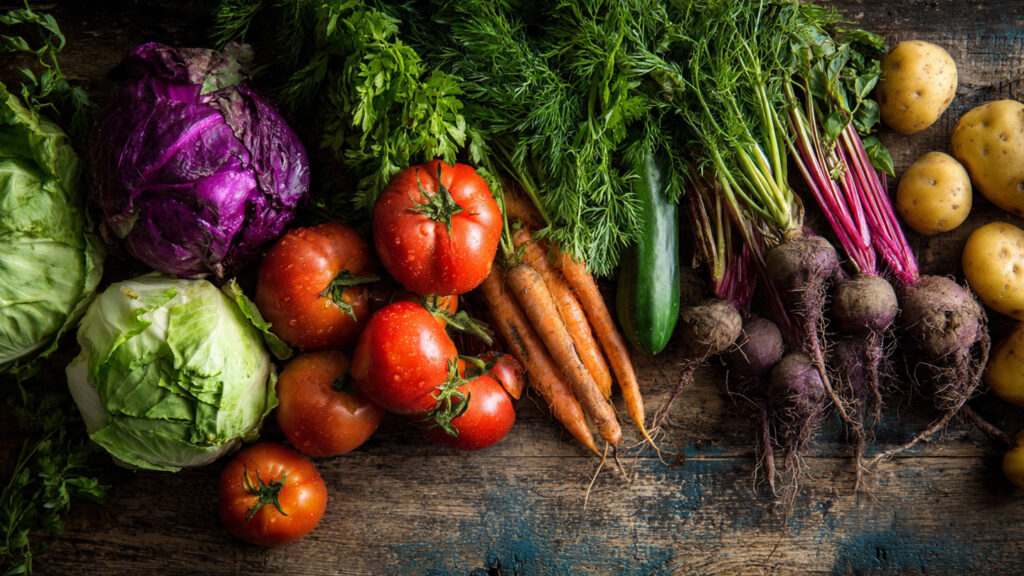
There’s something deeply satisfying about growing vegetables at home—especially when you’re growing your wife’s favorite one. Whether it’s tomatoes for her salads, spinach for her smoothies, or chilies for her favorite curry, cultivating that special crop is more than gardening. It’s an act of love.
If you’re new to gardening, don’t worry. This beginner-friendly guide will walk you through every step—from choosing the right vegetable to harvesting a healthy, delicious yield.
Step 1: Identify the Favorite Vegetable
Before you start digging, confirm which vegetable truly makes her smile. Is it juicy tomatoes? Crisp cucumbers? Tender spinach? Sweet carrots?
For beginners, some of the easiest vegetables to grow successfully include:
- Tomatoes
- Spinach
- Lettuce
- Chili peppers
- Green beans
- Cucumbers
If you’re unsure where to start, tomatoes are often a great choice because they are versatile and widely loved.
Step 2: Choose the Right Location
Most vegetables need sunlight—at least 6–8 hours daily. Look for:
- A sunny backyard corner
- A balcony with direct light
- A terrace or rooftop
- A well-lit window (for smaller plants)
If you don’t have outdoor space, container gardening works beautifully. Many vegetables grow perfectly in pots, grow bags, or even recycled containers with drainage holes.
Step 3: Prepare the Soil Properly
Healthy soil equals healthy vegetables. Beginners often overlook this step, but soil preparation makes a big difference.
What Good Soil Should Be:
- Loose and crumbly
- Rich in organic matter
- Well-draining
- Slightly moist
Mix garden soil with compost or organic manure. If you’re planting in containers, use a quality potting mix combined with compost for best results.
Adding compost improves:
- Nutrient availability
- Soil structure
- Root development
- Overall plant health
Step 4: Start from Seeds or Seedlings
You have two options:
1. Seeds
- More affordable
- Greater variety options
- Requires patience
2. Seedlings (young plants)
- Faster results
- Easier for beginners
- Slightly more expensive
If this is your first attempt, seedlings may give you more confidence.
Plant seeds at the recommended depth (usually mentioned on the packet). Water gently and keep soil moist—but not soggy.
Step 5: Watering the Right Way
One of the biggest beginner mistakes is overwatering.
Simple Watering Rules:
- Water early in the morning
- Check soil before watering (stick your finger 1 inch deep)
- If soil feels dry, water
- Avoid flooding
Most vegetables prefer consistently moist soil—not waterlogged conditions.
➡️ How to Grow Malabar Spinach from Cuttings for Fast, Easy Greens
➡️ How to Grow Super Delicious Cabbage at Home Without a Garden
➡️ How to Grow Bean Sprouts at Home in Plastic Bottles Easily (Step‑by‑Step Guide)
➡️ Why is Your Lemon Tree Blooming in the Heart of Winter?
➡️ Why Should Your Garden Have a Dedicated Pollinator Highway?
➡️ Why Do Your Fruit Trees Need a Winter Wash to Thrive in Spring?
➡️ How Can Rice Water Transform Your Fruits into Sweeter Delights?
➡️ Jumpstart Your Winter Garden: Seed Starting Under Lights
Signs of overwatering:
- Yellow leaves
- Wilting despite wet soil
- Mold on soil surface
Signs of underwatering:
- Dry, cracked soil
- Drooping leaves
Balance is key.
Step 6: Feed Your Plants Naturally
Vegetables are heavy feeders. They need nutrients to produce healthy fruits and leaves.
You can use:
- Compost
- Vermicompost
- Homemade kitchen compost
- Liquid organic fertilizers
Feed every 2–3 weeks for best results. Avoid excessive chemical fertilizers, especially if you want safe, homegrown food.
Step 7: Support and Maintenance
Some vegetables need support structures:
- Tomatoes → Stakes or cages
- Cucumbers → Trellis
- Beans → Poles
Regularly check for:
- Yellowing leaves
- Insects
- Fungus
- Weak stems
Remove dead leaves and prune lightly if necessary. Good airflow prevents disease.
Step 8: Protect from Pests Naturally
Pests are part of gardening, but you can control them safely.
Natural solutions:
- Neem oil spray
- Soap water spray
- Hand-picking insects
- Companion planting
For example:
- Basil planted near tomatoes can help repel insects.
- Marigolds can reduce pest problems.
Avoid harsh chemicals—especially when growing vegetables for your family.
Step 9: Be Patient and Observe
Every plant grows at its own pace. Instead of rushing, enjoy observing:
- Seed sprouting
- Leaves forming
- Flowers blooming
- Fruits developing
Gardening teaches patience. It also strengthens your connection with nature—and with the person you’re growing for.
Step 10: Harvest at the Right Time
Harvesting is the most rewarding stage.
General tips:
- Pick leafy greens when tender
- Harvest tomatoes when fully colored
- Cut cucumbers before they overgrow
- Pick beans regularly to encourage more growth
Frequent harvesting often leads to higher yields.
Bonus Tips for Beginners
Start Small
Don’t plant too many varieties at once. Begin with 2–3 vegetables.
Keep a Simple Garden Journal
Note:
- Planting dates
- Watering schedule
- Fertilizer application
- Harvest dates
This helps you improve each season.
Learn from Mistakes
Plants may fail sometimes. That’s normal. Even experienced gardeners face challenges.
Why Growing Her Favorite Vegetable Matters
This isn’t just about food. It’s about:
- Thoughtfulness
- Effort
- Care
- Partnership
Imagine surprising her with a fresh basket of her favorite vegetable grown by you. The pride you’ll feel—and the joy she’ll experience—makes every effort worthwhile.
Homegrown vegetables are:
- Fresher
- Healthier
- Chemical-free
- More flavorful
Plus, gardening reduces stress and improves mental well-being. It becomes a shared hobby and a beautiful bonding experience.
Seasonal Considerations
Different vegetables grow best in different seasons:
- Cool season: Spinach, lettuce, carrots
- Warm season: Tomatoes, cucumbers, peppers
- Year-round (in mild climates): Chilies, some leafy greens
Check your local climate before planting. Growing in the right season increases success dramatically.
Container Gardening Option
If space is limited, container gardening is ideal.
What You Need:
- Pots with drainage holes
- Good potting mix
- Sunlight
- Regular watering
Vegetables that grow well in containers:
- Tomatoes
- Spinach
- Lettuce
- Chili peppers
- Herbs
Even a small balcony can produce impressive yields.
Common Beginner Mistakes to Avoid
- Overwatering
- Ignoring sunlight requirements
- Using poor-quality soil
- Planting too close together
- Giving up too early
Gardening is a learning process. Mistakes help you grow—just like your plants.
Final Thoughts
Growing your wife’s favorite vegetable may seem like a small gesture, but it carries big meaning. With a little planning, patience, and care, even a beginner can create a thriving mini-garden.
Start small. Stay consistent. Observe your plants daily. Learn from each stage.
Soon, you won’t just be growing vegetables—you’ll be growing confidence, connection, and shared happiness.