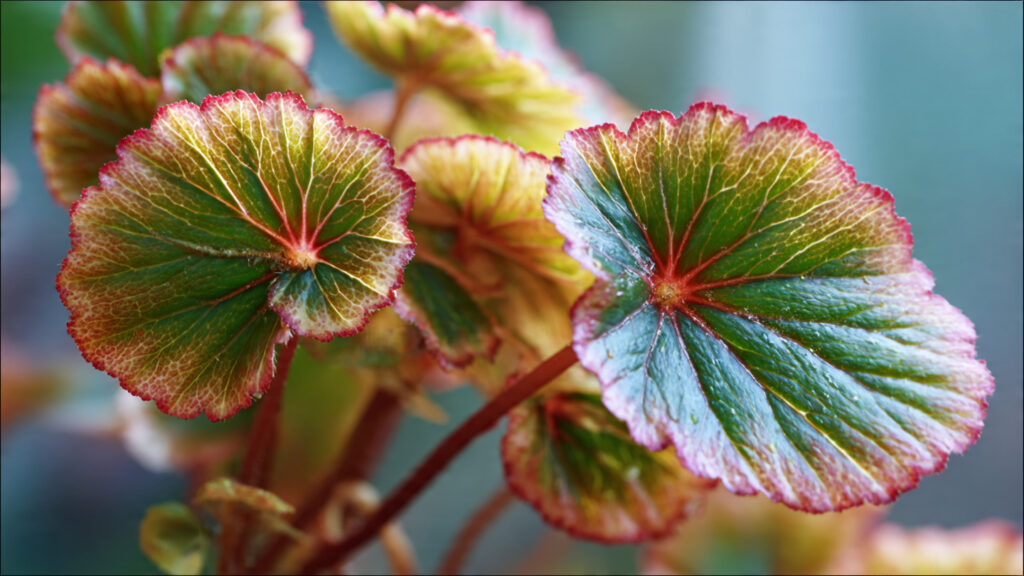
Begonias are among the most popular flowering plants for gardeners, admired for their vibrant blooms, colorful foliage, and versatility in both indoor and outdoor spaces. However, one common issue that can frustrate even experienced gardeners is leaf curl—a condition where begonia leaves twist, fold, or deform. Leaf curl not only affects the plant’s aesthetic appeal but can also indicate underlying stress that may compromise growth and flowering.
In this comprehensive guide, we will explore the best methods for achieving healthy begonia growth while preventing leaf curl. By understanding the causes, implementing proper care techniques, and maintaining an optimal environment, you can enjoy lush, vibrant begonias year-round.
Understanding Begonias and Their Growth Habits
Begonias belong to the family Begoniaceae, with over 1,800 species ranging from wax begonias (Begonia semperflorens) to tuberous and rhizomatous varieties. They are prized for:
- Foliage: Many begonias feature colorful, textured, or patterned leaves.
- Flowers: Vibrant blooms in shades of pink, red, white, and orange.
- Versatility: Suitable for containers, hanging baskets, or garden beds.
Begonias grow best in warm, humid conditions with filtered light. Their delicate leaves, however, make them susceptible to environmental stress, which often manifests as leaf curl. Understanding the plant’s natural growth habits is crucial for maintaining healthy, robust foliage.
Common Causes of Leaf Curl in Begonias
Leaf curl is typically a symptom of stress rather than a disease itself. Identifying the cause is the first step in preventing it.
1. Environmental Stress
- Temperature Extremes: Begonias thrive between 65–75°F (18–24°C). Heat above 85°F (29°C) or sudden cold drafts can cause leaves to curl.
- Low Humidity: Begonias prefer moderate to high humidity. Dry indoor air can lead to curling, especially in wax and tuberous varieties.
- Excessive Sunlight: Direct afternoon sun can scorch leaves, leading to curling and browning edges.
2. Watering Issues
- Overwatering: Saturated soil deprives roots of oxygen, causing leaf curl, yellowing, or wilting.
- Underwatering: Insufficient moisture leads to shriveled, curled leaves and stunted growth.
3. Nutrient Imbalances
- Lack of essential nutrients, particularly calcium, magnesium, or nitrogen, can cause distorted leaves.
- Overfertilization, especially with high-nitrogen fertilizers, can also stress the plant.
4. Pests and Diseases
- Aphids, thrips, or whiteflies: These pests suck sap from leaves, causing curling and distortion.
- Fungal and bacterial infections: Leaf curl can be accompanied by spots or discoloration if pathogens are present.
Understanding these factors allows gardeners to proactively prevent leaf curl and maintain healthy foliage.
Selecting Healthy Begonia Varieties
Some begonia varieties are more resilient than others. Choosing the right type can minimize leaf curl issues:
- Wax Begonias (B. semperflorens): Hardy, low-maintenance, and tolerant of sun and humidity variations.
- Rex Begonias (B. rex-cultorum): Grown primarily for their foliage; require stable indoor conditions to prevent leaf curl.
- Tuberous Begonias (B. × tuberhybrida): Prefer cooler, shaded environments; sensitive to heat stress.
- Rhizomatous Begonias: Known for textured leaves; benefit from consistent moisture and indirect light.
Selecting varieties suited to your climate and indoor environment sets the stage for healthy growth.
Proper Planting and Soil Preparation
Begonias need well-draining soil to thrive, as waterlogged roots are a primary cause of leaf curl.
Soil Requirements:
- Use a light, airy potting mix, such as a combination of peat moss, perlite, and compost.
- Ensure the soil is slightly acidic to neutral (pH 6.0–7.0).
- For container planting, use pots with drainage holes to prevent water accumulation.
Planting Tips:
- Avoid planting begonias too deep; the crown should sit just above the soil line.
- Space plants to allow for air circulation, reducing the risk of fungal diseases.
- Consider raised beds or containers in outdoor gardens to improve drainage and control soil conditions.
Proper soil and planting techniques provide a healthy foundation for robust leaves and stems.
Watering Techniques for Healthy Leaves
Maintaining consistent moisture without overwatering is essential.
Best Practices:
- Water thoroughly when the top inch of soil feels dry.
- Use room-temperature water to avoid shocking the roots.
- Water at the base of the plant rather than overhead to protect leaves from fungal infections.
- Mulch around the base to retain soil moisture and moderate temperature fluctuations.
Monitoring soil moisture and adjusting based on temperature and humidity prevents stress that leads to leaf curl.
Light and Temperature Management
Begonias thrive in bright, indirect light but are sensitive to environmental extremes.
Tips for Optimal Light:
- Place indoor begonias near east- or north-facing windows to avoid scorching.
- Filter strong sunlight with sheer curtains if needed.
- Outdoor begonias perform best in partial shade, especially in warm climates.
Temperature Considerations:
- Keep temperatures consistent; avoid drafts near doors or air conditioning vents.
- Protect outdoor begonias from extreme heat by using shade cloth during peak summer.
- For indoor plants, maintain stable room temperatures and avoid rapid fluctuations.
Balanced light and temperature conditions are critical for preventing stress-related leaf curl.
Fertilization for Strong, Healthy Growth
Begonias are moderate feeders, and proper nutrition supports leaf development.
➡️ How to Grow Malabar Spinach from Cuttings for Fast, Easy Greens
➡️ How to Grow Super Delicious Cabbage at Home Without a Garden
➡️ How to Grow Bean Sprouts at Home in Plastic Bottles Easily (Step‑by‑Step Guide)
➡️ Why is Your Lemon Tree Blooming in the Heart of Winter?
➡️ Why Should Your Garden Have a Dedicated Pollinator Highway?
➡️ Why Do Your Fruit Trees Need a Winter Wash to Thrive in Spring?
➡️ How Can Rice Water Transform Your Fruits into Sweeter Delights?
➡️ Jumpstart Your Winter Garden: Seed Starting Under Lights
Fertilizer Guidelines:
- Use a balanced, water-soluble fertilizer every 2–4 weeks during active growth.
- Avoid overfertilizing, which can lead to excessive foliage and weak stems.
- Consider supplements like calcium or magnesium if soil deficiencies are suspected.
Feeding plants according to their growth stage encourages strong leaves and reduces the likelihood of curling.
Pruning and Pinching Techniques
Regular pruning not only maintains shape but also encourages bushier growth and reduces stress.
Key Practices:
- Pinch back stems to promote branching and prevent legginess.
- Remove damaged or curled leaves promptly to improve airflow and overall appearance.
- Avoid heavy pruning during extreme heat, as this can further stress the plant.
Proper pruning techniques enhance plant vigor and help maintain healthy foliage throughout the season.
Pest and Disease Control
Controlling pests and diseases is essential for preventing leaf curl.
Common Strategies:
- Inspect plants regularly for aphids, spider mites, and whiteflies.
- Use insecticidal soap or neem oil for infestations.
- Maintain good air circulation around plants to reduce fungal infections.
- Remove and dispose of infected leaves promptly.
Preventive care is more effective than treating problems after they occur, keeping begonias healthy year-round.
Environmental Enhancements
Creating a favorable environment helps reduce stress and promote lush growth.
Tips for Indoor and Outdoor Settings:
- Humidity: Increase humidity for indoor plants with a pebble tray or humidifier.
- Airflow: Ensure good ventilation to prevent fungal diseases.
- Companion Planting: Plant begonias with other shade-loving species to maintain microclimate stability.
Environmental management is key to long-term begonia health and minimizing leaf curl.
Seasonal Care for Begonias
Different seasons require specific care practices to maintain healthy leaves and flowers:
- Spring: Begin fertilization and regular pruning; monitor new growth for pests.
- Summer: Provide partial shade for outdoor plants; increase watering frequency during hot spells.
- Fall: Gradually reduce fertilizer; monitor for fungal diseases as humidity rises.
- Winter: Protect indoor plants from cold drafts; reduce watering as growth slows.
Seasonal care ensures consistent growth, vibrant foliage, and reduces the risk of leaf curl.
Common Mistakes to Avoid
Even experienced gardeners can encounter challenges with begonias. Avoid these common errors:
- Overwatering or Underwatering: Both can lead to leaf curl and root stress.
- Direct Sun Exposure: Intense sun can scorch delicate leaves.
- Neglecting Fertilization: Poor nutrition can cause deformed leaves.
- Ignoring Pests: Early infestations often result in leaf damage.
- Crowding Plants: Overcrowding increases disease risk and reduces airflow.
Awareness and proactive care prevent most issues before they become serious.
Final Thoughts
Healthy begonia growth is achievable with attentive care and proper environmental management. By understanding the causes of leaf curl and implementing the right techniques for soil preparation, watering, light, fertilization, and pest control, gardeners can enjoy lush, vibrant plants that enhance any garden or indoor space.
Key takeaways:
- Maintain consistent moisture and well-draining soil.
- Provide bright, indirect light and stable temperatures.
- Fertilize moderately and prune regularly to encourage bushy growth.
- Monitor for pests and diseases to prevent stress-related leaf curl.
- Adjust environmental factors like humidity and airflow to optimize conditions.
With these methods, your begonias will thrive, showcasing their vibrant leaves and blooms while remaining free from the frustration of curling foliage. By combining proactive care, proper environmental management, and attentive pruning, gardeners can create a thriving begonia garden that is both visually stunning and resilient throughout the year.