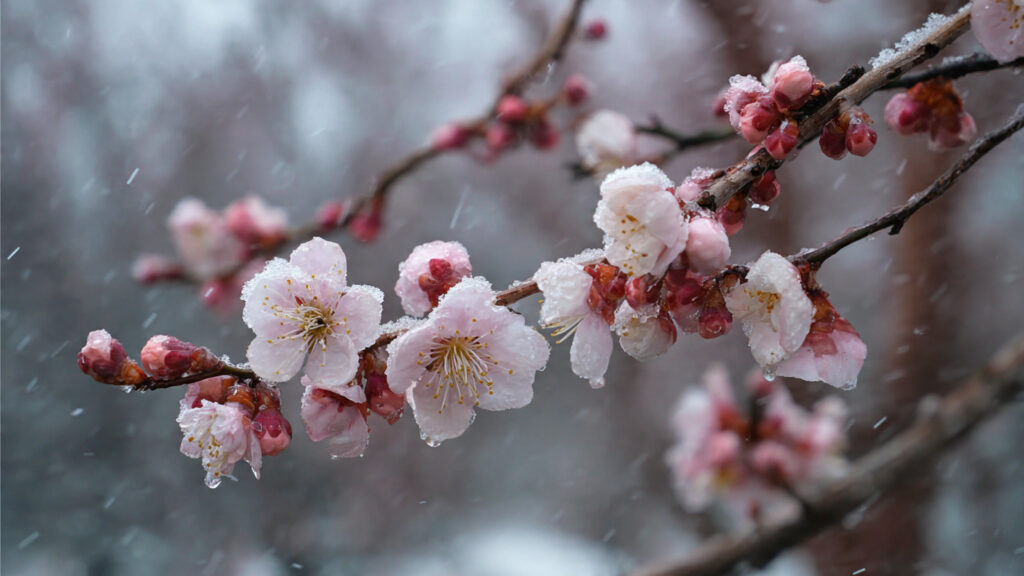
Apricots are beloved for their sweet, juicy fruits and stunning spring blossoms. However, these delicate flowers are highly sensitive to cold weather, frost, and sudden temperature drops. Even a brief frost during the blooming period can damage blossoms, reduce fruit yield, or completely ruin the season’s harvest. Protecting apricot blossoms from cold weather is therefore essential for gardeners and orchardists who want healthy fruit production. This guide provides proven strategies to safeguard your apricot blossoms and ensure a bountiful harvest.
Understanding Apricot Blossoms and Cold Sensitivity
Apricot trees (Prunus armeniaca) bloom early in spring, often before other fruit trees, making them particularly vulnerable to frost. Blossoms are delicate and can suffer damage at temperatures as high as -1°C to -2°C (28–30°F). Cold damage may manifest as blackened petals, stunted fruit set, or blossom drop, which directly affects yields.
Factors influencing frost risk include:
- Location: Low-lying areas or frost pockets are more prone to cold damage.
- Microclimate: Trees near walls or slopes may experience slightly warmer temperatures than those in open fields.
- Weather Patterns: Early or late frosts are unpredictable but can severely impact flowering.
Understanding these factors helps you take timely and effective protective measures.
Selecting Frost-Resistant Varieties
One of the most effective strategies for minimizing frost damage is planting frost-resistant apricot varieties. Some cultivars are better adapted to withstand cold weather and late spring frosts:
- Early Bloomers: Varieties like ‘Goldrich’ bloom early but are more vulnerable to frost. Extra protection is needed.
- Late Bloomers: Varieties such as ‘Harcot’ and ‘Tilton’ bloom slightly later, reducing frost risk.
- Cold-Hardy Cultivars: Look for cultivars specifically bred for cold tolerance in your climate zone.
Choosing the right variety according to your local climate can dramatically reduce blossom loss.
Site Selection and Tree Placement
Proper tree placement plays a critical role in frost protection:
- Avoid Frost Pockets: Plant apricots on gentle slopes rather than low-lying areas where cold air collects.
- Maximize Sun Exposure: Trees on south-facing slopes warm up faster in the morning, reducing frost exposure.
- Windbreaks: Planting apricots near hedges or fences can provide a buffer against cold winds, which intensify frost damage.
Strategic placement gives your apricot blossoms a natural advantage against sudden temperature drops.
Protective Covers and Blankets
Covering apricot trees during frost events is one of the most effective methods of preventing blossom damage:
- Frost Cloths or Horticultural Fabrics: Lightweight, breathable fabrics trap heat without suffocating the tree. Cover trees before sunset and remove them after temperatures rise.
- Old Blankets or Sheets: In small gardens, lightweight blankets or sheets can protect trees overnight. Secure edges with rocks or stakes to prevent heat loss.
- Plastic Covers: Avoid direct contact with blossoms, as plastic can trap moisture and cause damage. Use only as a temporary measure, ideally with a frame to keep it off the tree.
Proper coverage maintains a warmer microclimate around blossoms, shielding them from freezing temperatures.
Using Mulch for Temperature Regulation
Mulching around the base of apricot trees helps stabilize soil temperatures and protect root systems, which indirectly supports blossom health:
- Organic Mulch: Straw, wood chips, or composted bark provide insulation, keeping roots warmer during cold nights.
- Mulch Depth: Apply a 4–6 inch layer around the root zone, but avoid piling mulch against the trunk to prevent rot.
- Soil Moisture: Mulch helps retain moisture, which can slightly increase the surrounding air temperature through latent heat, providing an extra buffer for blossoms.
Mulching is a simple yet effective strategy to safeguard your trees against frost.
Watering Techniques for Frost Protection
Water management is a surprisingly effective way to protect apricot blossoms from freezing:
- Irrigate Before Frost: Moist soil retains heat better than dry soil. Watering the root zone in the evening can increase ambient temperatures by a few degrees.
- Avoid Excessive Wetness: Too much water can increase humidity and risk fungal diseases. Ensure the soil is moist but not soggy.
- Drip Irrigation: Use drip systems for controlled watering, keeping soil evenly moist and slightly warmer during cold spells.
The combination of moisture and heat retention can reduce blossom damage during brief cold events.
Wind Machines and Heaters
For commercial orchards or high-value trees, more advanced frost-protection methods are often used:
➡️ How to Grow Malabar Spinach from Cuttings for Fast, Easy Greens
➡️ How to Grow Super Delicious Cabbage at Home Without a Garden
➡️ How to Grow Bean Sprouts at Home in Plastic Bottles Easily (Step‑by‑Step Guide)
➡️ Why is Your Lemon Tree Blooming in the Heart of Winter?
➡️ Why Should Your Garden Have a Dedicated Pollinator Highway?
➡️ Why Do Your Fruit Trees Need a Winter Wash to Thrive in Spring?
➡️ How Can Rice Water Transform Your Fruits into Sweeter Delights?
➡️ Jumpstart Your Winter Garden: Seed Starting Under Lights
- Wind Machines: Large fans circulate warmer air from above, preventing cold air from settling around blossoms.
- Orchard Heaters: In smaller orchards, heaters or smudge pots can raise ambient temperature slightly, reducing frost risk.
- Timing: Operate these systems just before frost occurs, typically in the early morning hours.
While these methods require investment, they can save an entire season’s crop from frost damage.
Anti-Frost Sprays
Some gardeners use anti-frost sprays or plant protectants to reduce frost injury:
- Commercial Products: Certain sprays create a protective film on blossoms, slightly insulating them from cold.
- Timing of Application: Follow manufacturer instructions and apply before frost events.
- Limitations: These sprays are supplemental measures and should be used with other protective strategies, not as a standalone solution.
Pruning and Tree Management
Proper pruning and tree care can enhance frost resilience:
- Avoid Late Pruning: Pruning in late winter or early spring can stimulate tender growth that is highly susceptible to frost.
- Manage Canopy: A well-spaced canopy allows sunlight to penetrate and warm blossoms more effectively.
- Remove Dead Wood: Dead or damaged branches can harbor pests and diseases that weaken the tree, making it more vulnerable to frost stress.
Regular care strengthens trees and improves blossom survival.
Monitoring Weather and Timing Planting
Being proactive is essential for frost protection:
- Weather Monitoring: Keep track of local frost advisories and overnight low temperatures during bloom season.
- Delayed Planting: In regions with unpredictable late frosts, delaying bloom by selecting later-flowering varieties or adjusting pruning schedules can reduce frost risk.
- Microclimate Observation: Identify frost-prone spots in your garden and plan accordingly to place vulnerable trees in safer locations.
Knowledge and timing are critical tools for safeguarding apricot blossoms.
Harvesting Tips to Maximize Yield Despite Cold
Even with best practices, minor frost damage may occur. Here’s how to manage it:
- Remove Damaged Blossoms: Prune frost-damaged flowers to prevent disease and encourage healthy growth.
- Pollination Support: Use bee attractants or manual pollination techniques to ensure fruit set in partially affected blossoms.
- Patience: Apricot trees are resilient and often produce a secondary bloom if initial flowers are lost to frost.
By managing post-frost effects, you can still achieve a successful harvest.
Conclusion
Protecting apricot blossoms against cold weather is vital for a healthy, productive tree. By selecting frost-resistant varieties, planting in favorable locations, using protective covers, mulching, managing water, and employing advanced techniques like wind machines or heaters, gardeners can dramatically reduce frost damage. Combining proactive monitoring, proper pruning, and timely interventions ensures that your apricot blossoms survive cold spells, ultimately resulting in a bountiful and flavorful harvest. With careful planning and consistent care, you can enjoy the beauty of spring blooms and the sweet reward of fresh apricots year after year.