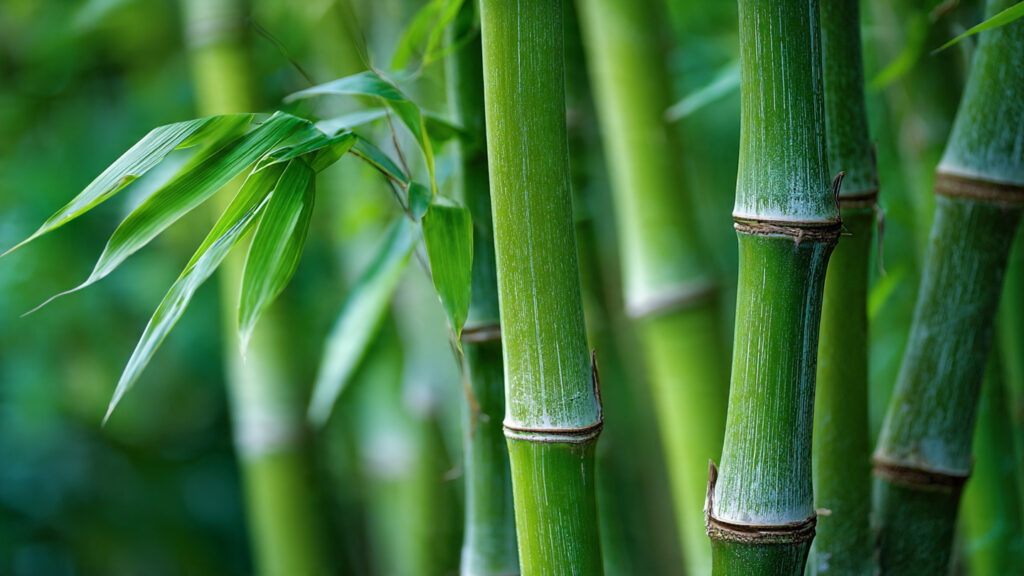
Bamboo is more than just a symbol of tranquility and luck—it is an incredibly versatile plant that adds elegance, texture, and a natural aesthetic to indoor spaces. Its tall, slender stalks and lush foliage can transform any corner of your home into a serene oasis. While often associated with outdoor landscapes and tropical gardens, bamboo can thrive indoors if given the proper care and environment. Growing bamboo indoors is not only about beauty—it’s also about creating a healthy plant that grows vigorously without becoming invasive. This guide explores the best methods to successfully grow bamboo plants indoors for both optimal growth and aesthetic appeal.
Understanding Indoor Bamboo Varieties
Before planting, it’s important to select a bamboo variety that suits indoor life. Unlike outdoor species that can grow several feet high rapidly, indoor bamboo varieties are more compact and manageable. Some popular indoor bamboo species include:
- Lucky Bamboo (Dracaena sanderiana): Often seen in decorative vases, it’s not a true bamboo but offers the iconic look with easy care.
- Dwarf Green Bamboo (Bambusa multiplex ‘Alphonse Karr’): A clumping variety ideal for larger indoor pots.
- Bambusa ventricosa (Buddha Belly Bamboo): Known for its bulbous stems and slow growth, making it perfect for decorative indoor displays.
Selecting the right variety ensures your indoor bamboo remains manageable while achieving the desired visual effect.
Choosing the Right Container
Bamboo needs ample room for roots to grow and access to proper drainage. For indoor planting:
- Pot Size: Choose a container at least 12 inches wide and deep for small varieties. Larger varieties may require pots up to 20–24 inches.
- Drainage: Ensure the pot has adequate drainage holes to prevent waterlogging, which can lead to root rot.
- Material: Terracotta or ceramic pots allow airflow to the roots, while plastic pots retain moisture longer. The choice depends on your watering habits and environmental conditions.
For smaller bamboo varieties, decorative containers with water reservoirs, like those used for lucky bamboo, are also effective.
Selecting the Right Soil
Bamboo prefers a well-draining, nutrient-rich soil mix. The soil should retain moisture but not become soggy. A good indoor bamboo soil mix includes:
- Potting Soil: Acts as the base, providing structure and nutrients.
- Perlite or Sand: Improves drainage and prevents compaction.
- Compost: Adds organic matter for sustained growth.
For lucky bamboo in water, ensure you change the water weekly and add small amounts of liquid fertilizer to keep the plant healthy.
Light Requirements for Indoor Bamboo
Light is one of the most critical factors for indoor bamboo growth. Bamboo thrives in bright, indirect sunlight. Too much direct sunlight can scorch leaves, while too little can slow growth and cause yellowing.
- Placement: Position your bamboo near a north or east-facing window for moderate light. If natural light is insufficient, supplement with grow lights for 6–8 hours a day.
- Rotation: Rotate your plant every few weeks to ensure even growth and prevent leaning toward the light source.
Proper light encourages strong, healthy stems and lush foliage.
Watering Indoor Bamboo
Watering is a delicate balance when growing bamboo indoors. Both overwatering and underwatering can stress the plant.
- Soil Bamboo: Keep the soil consistently moist but not waterlogged. Water thoroughly when the top inch of soil feels dry. Avoid letting bamboo sit in standing water.
- Lucky Bamboo in Water: Change the water every 7–10 days to prevent stagnation. Use distilled or filtered water, as chlorine and fluoride in tap water can damage leaves.
- Humidity: Indoor bamboo thrives in higher humidity. Mist leaves occasionally, especially in dry climates or during winter when indoor heating reduces moisture levels.
Consistent watering promotes vigorous growth, vibrant foliage, and healthy stems.
Fertilizing for Optimal Growth
Bamboo is a fast-growing plant that benefits from regular feeding. Fertilization ensures strong, green stalks and dense foliage.
- Soil Bamboo: Use a balanced, water-soluble fertilizer every 4–6 weeks during the growing season (spring and summer). Reduce fertilization in winter when growth slows.
- Lucky Bamboo in Water: Add a few drops of liquid fertilizer to the water once a month. Be careful not to over-fertilize, as this can burn the roots.
Organic options, such as diluted compost tea, also provide nutrients without the risk of chemical buildup.
Pruning and Maintenance
Maintaining your bamboo’s shape and health is essential for both aesthetic appeal and growth:
- Pruning: Trim yellowing, damaged, or overcrowded stems to promote airflow and reduce pest issues. Cut stems at the base to maintain a clean, elegant appearance.
- Shaping: For lucky bamboo, you can gently bend and twist stems into decorative shapes. For larger species, selective pruning encourages vertical growth and prevents the plant from becoming too bushy.
- Cleaning: Dust leaves regularly to keep them healthy and improve photosynthesis.
Routine maintenance ensures your bamboo remains a striking feature in your indoor garden.
➡️ How to Grow Malabar Spinach from Cuttings for Fast, Easy Greens
➡️ How to Grow Super Delicious Cabbage at Home Without a Garden
➡️ How to Grow Bean Sprouts at Home in Plastic Bottles Easily (Step‑by‑Step Guide)
➡️ Why is Your Lemon Tree Blooming in the Heart of Winter?
➡️ Why Should Your Garden Have a Dedicated Pollinator Highway?
➡️ Why Do Your Fruit Trees Need a Winter Wash to Thrive in Spring?
➡️ How Can Rice Water Transform Your Fruits into Sweeter Delights?
➡️ Jumpstart Your Winter Garden: Seed Starting Under Lights
Managing Pests and Diseases
Indoor bamboo is generally hardy, but pests and diseases can occasionally affect growth.
- Common Pests: Spider mites, aphids, and mealybugs may appear on indoor bamboo. Use insecticidal soap or wipe leaves with a damp cloth to remove infestations.
- Diseases: Overwatering can lead to root rot or fungal infections. Ensure proper drainage and avoid stagnant water.
- Prevention: Maintain adequate airflow, clean leaves, and inspect plants regularly for early signs of stress.
Healthy plants are more resilient, so proactive care is key.
Optimizing Indoor Conditions
Beyond light and water, consider the following environmental factors to enhance bamboo growth:
- Temperature: Bamboo prefers temperatures between 65–80°F (18–27°C). Avoid placing plants near drafts, air conditioners, or heating vents.
- Air Circulation: Good airflow reduces disease risk and strengthens stems.
- Companion Plants: Pair bamboo with other humidity-loving plants, like ferns or calatheas, to create a visually appealing and balanced indoor garden.
Creating an ideal environment allows your bamboo to flourish and maintain its natural elegance.
Aesthetic Styling Ideas
Indoor bamboo is not just a plant—it’s a design element. Here are some ways to incorporate bamboo for maximum visual impact:
- Zen Corners: Place bamboo in minimalist containers with pebbles or sand to create a calming, Japanese-inspired look.
- Room Dividers: Tall bamboo varieties can function as natural partitions, adding privacy while maintaining an airy feel.
- Tabletop Accents: Lucky bamboo in small vases makes a sophisticated centerpiece for dining tables or office desks.
- Layering Plants: Mix bamboo with trailing plants or succulents to add depth, texture, and visual interest.
With thoughtful placement and styling, bamboo can enhance any interior space, from modern to traditional décor.
Propagating Indoor Bamboo
Propagating bamboo is relatively simple and allows you to expand your indoor garden:
- Division: For soil-grown bamboo, separate clumps during repotting to create new plants. Ensure each division has healthy roots and several stems.
- Cuttings: Lucky bamboo can be propagated by cutting stems just above a node and placing them in water until roots develop.
Propagation not only multiplies your bamboo collection but also keeps older plants vigorous and healthy.
Conclusion
Growing bamboo indoors is a rewarding way to enhance your living space with greenery, elegance, and tranquility. By selecting the right variety, providing proper light, water, and soil conditions, and maintaining consistent care, indoor bamboo can thrive and add a striking visual element to your home. From pruning and fertilization to aesthetic styling and propagation, every step contributes to creating a flourishing indoor bamboo garden.
Whether you’re using bamboo as a decorative centerpiece, a room divider, or part of a larger indoor plant collection, the key to success lies in understanding its unique needs and replicating its natural environment. With these best practices, your indoor bamboo will not only grow robustly but also provide lasting beauty, serenity, and a touch of nature indoors.