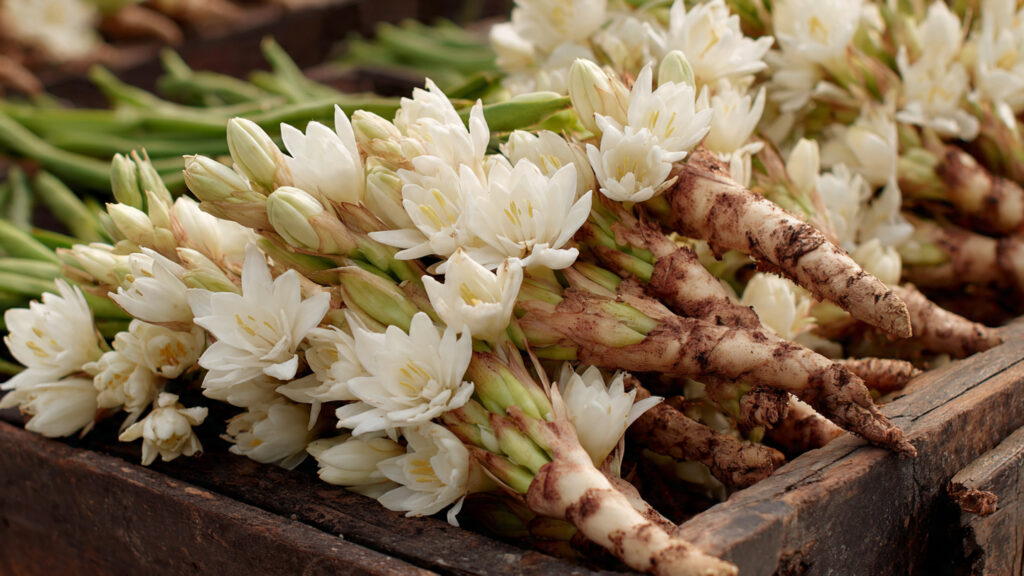
Tuberose (Polianthes tuberosa) is one of the most fragrant and elegant flowering plants that gardeners can grow at home. Its tall, slender spikes of white blooms release a mesmerizing scent that can transform any garden or patio into a fragrant oasis. While tuberose bulbs are easy to grow, many gardeners struggle with multiplying them efficiently to expand their flower collection or share them with friends. With the right practices, you can propagate tuberose bulbs successfully and enjoy more blooms year after year. In this guide, we’ll cover the best practices for multiplying tuberose bulbs at home, including planting, care, and propagation techniques.
Understanding Tuberose Growth
Before diving into multiplication techniques, it’s important to understand how tuberose grows. Tuberose is a bulbous perennial, meaning it grows from underground bulbs that store nutrients. Each mature bulb can produce offsets, also known as daughter bulbs, which can be separated and replanted to grow new plants.
Key growth points:
- Bulb Structure: A healthy tuberose bulb has a firm outer layer and a slightly pointed top. The roots grow from the base, and the flower stems emerge from the top.
- Bloom Cycle: Tuberose typically blooms in late summer or fall, producing long spikes of fragrant flowers. After flowering, the plant enters dormancy, during which bulbs can be multiplied.
- Offset Formation: Mature bulbs develop several smaller bulbs around them. These offsets are the primary source for multiplying your plants.
Understanding these growth habits helps you time your propagation efforts and ensures the new bulbs thrive.
Selecting Healthy Bulbs for Multiplication
Successful propagation starts with selecting healthy parent bulbs. Look for bulbs that are:
- Firm and Plump: Avoid soft, shriveled, or moldy bulbs, as they are more prone to disease.
- Free from Pests or Damage: Check for signs of insect activity or physical damage.
- Mature: Bulbs that are at least one year old and have flowered once are ideal for producing offsets.
By starting with strong, disease-free bulbs, you significantly increase the chances of successful multiplication.
Preparing for Multiplication
The best time to multiply tuberose bulbs is during the plant’s dormancy period, typically after the flowering season. Here’s how to prepare:
- Digging Up Bulbs: Gently lift the bulbs from the soil, taking care not to damage the roots. Use a garden fork or trowel to loosen the soil around the bulbs.
- Cleaning: Remove excess soil and any dead or decayed roots. This allows you to clearly see healthy offsets and parent bulbs.
- Drying: Lay the bulbs in a shaded, well-ventilated area for a few days to dry slightly. Avoid direct sunlight, which can overheat and damage the bulbs.
Proper preparation reduces the risk of rot and prepares the bulbs for separation and replanting.
Methods for Multiplying Tuberose Bulbs
There are several effective ways to multiply tuberose bulbs at home. The most common method is offset division, but other techniques can be used depending on your gardening goals.
1. Offset Division
Offset division is the most straightforward and reliable method. Here’s how to do it:
- Identify Offsets: Look for small bulbs forming around the base of the parent bulb. These should be at least one-third the size of the main bulb.
- Separate Carefully: Use a clean knife or gently pull the offsets away, ensuring each has some roots attached.
- Plant Immediately: Replant the offsets in well-draining soil, ideally in a sunny spot. Water lightly until new growth appears.
Offset division allows you to multiply bulbs quickly while maintaining the vigor and fragrance of the parent plant.
2. Bulb Scaling
Bulb scaling is a more advanced method, often used by commercial growers. It involves separating individual scales from a bulb to produce multiple new plants.
- Remove Outer Scales: Gently peel away several outer scales from a mature bulb.
- Treat for Fungal Protection: Dust the scales with fungicide or cinnamon powder to prevent rot.
- Plant in Sand or Soil: Place the scales in a slightly moist, well-draining medium. Keep them in a warm, shaded area until small bulbs develop.
Although slower than offset division, bulb scaling can produce a large number of new bulbs from a single parent bulb.
3. Tissue Culture (Optional)
For gardeners with access to laboratory equipment, tissue culture is the fastest way to produce many tuberose bulbs. This method involves cultivating plant tissue in sterile conditions to produce clones. While highly efficient, it is not necessary for home gardeners unless you’re experimenting with large-scale propagation.
Soil and Planting Requirements for New Bulbs
Once you have separated the bulbs, proper planting is critical for healthy growth:
➡️ How to Grow Malabar Spinach from Cuttings for Fast, Easy Greens
➡️ How to Grow Super Delicious Cabbage at Home Without a Garden
➡️ How to Grow Bean Sprouts at Home in Plastic Bottles Easily (Step‑by‑Step Guide)
➡️ Why is Your Lemon Tree Blooming in the Heart of Winter?
➡️ Why Should Your Garden Have a Dedicated Pollinator Highway?
➡️ Why Do Your Fruit Trees Need a Winter Wash to Thrive in Spring?
➡️ How Can Rice Water Transform Your Fruits into Sweeter Delights?
➡️ Jumpstart Your Winter Garden: Seed Starting Under Lights
- Soil Type: Use sandy, loamy soil with excellent drainage. Tuberose bulbs dislike waterlogged soil, which can cause rot.
- Soil Preparation: Mix compost or organic matter to improve fertility and retain some moisture without making the soil soggy.
- Planting Depth: Plant bulbs about 2–3 inches deep, with the pointed end facing upward. Space bulbs 6–8 inches apart to allow room for growth.
- Sunlight: Choose a location that receives at least 6 hours of sunlight per day. Adequate sunlight ensures strong stems and abundant blooms.
Proper soil preparation and planting techniques set the foundation for vigorous growth and multiplication.
Watering and Care for Multiplying Bulbs
Newly planted tuberose bulbs require careful watering and attention:
- Initial Watering: Water lightly after planting to settle the soil. Avoid overwatering, as excessive moisture can lead to rot.
- Establishment Phase: Keep the soil slightly moist until roots begin to establish. Monitor soil moisture regularly.
- Nutrient Support: After 3–4 weeks, apply a balanced fertilizer to encourage root and offset development.
Regular observation ensures your bulbs grow strong and healthy, ready to produce fragrant blooms.
Tips for Efficient Multiplication
To maximize success and efficiency in multiplying tuberose bulbs, follow these tips:
- Time it Right: Always propagate after flowering and during dormancy for the best results.
- Maintain Hygiene: Use clean tools and avoid replanting damaged bulbs to prevent disease spread.
- Choose Healthy Offsets: Only select bulbs that are firm, plump, and free from discoloration.
- Provide Proper Sunlight: Adequate sunlight ensures strong, fragrant spikes.
- Avoid Overcrowding: Proper spacing allows air circulation and reduces the risk of fungal infection.
By following these best practices, you can efficiently multiply tuberose bulbs and enjoy a flourishing, fragrant garden.
Advantages of Multiplying Tuberose at Home
Multiplying tuberose bulbs at home offers several benefits:
- Cost-Effective: Instead of buying new bulbs every season, you can use offsets from your existing plants.
- Sustainable Gardening: Propagating your own plants reduces dependency on commercial nurseries.
- Fragrant Garden: More bulbs mean more blooms and a stronger, longer-lasting fragrance in your garden.
- Gift and Sharing: Home-grown bulbs can be shared with friends and neighbors, spreading beauty and fragrance.
Multiplying your own tuberose bulbs not only enhances your garden but also promotes eco-friendly gardening practices.
Conclusion
Multiplying tuberose bulbs at home is both rewarding and cost-effective. By understanding the plant’s growth habits, selecting healthy bulbs, and following the proper propagation methods, you can expand your tuberose collection efficiently. Offset division, bulb scaling, and careful soil and planting practices ensure that your bulbs thrive, producing tall spikes of fragrant flowers year after year.
Whether you’re a beginner gardener or an experienced plant enthusiast, these best practices for multiplying tuberose bulbs will help you cultivate a stunning, aromatic garden without unnecessary expenses. With patience, care, and the right techniques, your home-grown tuberose bulbs will provide a fragrant, beautiful display that brightens every corner of your garden.