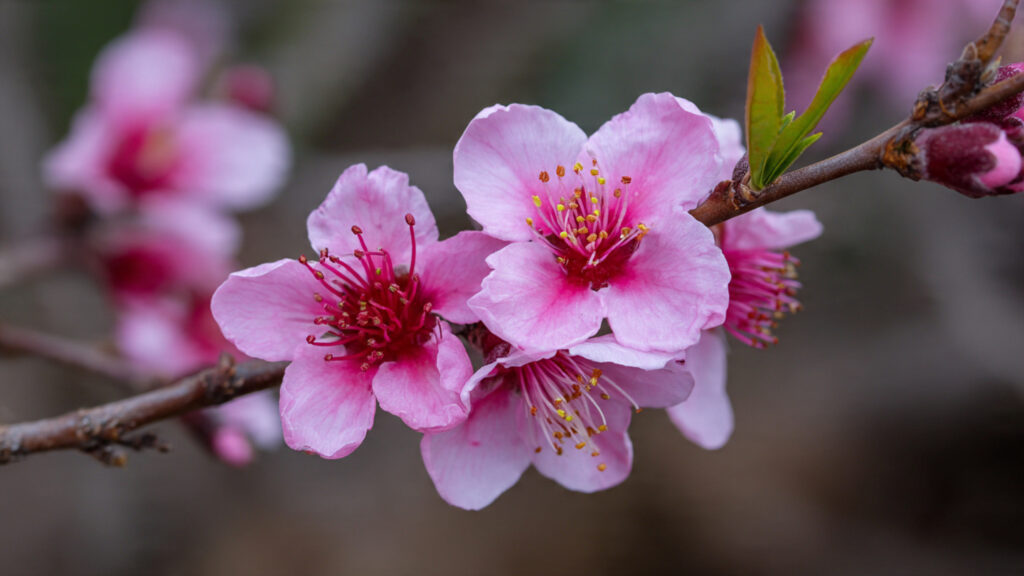
Nectarines (Prunus persica var. nucipersica) are prized for their sweet, juicy fruits and beautiful spring blossoms. However, one of the biggest challenges for nectarine growers, especially in temperate climates, is protecting blossoms from cold weather. Late frosts, sudden temperature drops, or unseasonably cold winds can damage delicate flowers, drastically reducing fruit yield. Successful nectarine cultivation requires understanding both the vulnerabilities of the blossoms and the strategies to safeguard them against harsh conditions.
This guide explores proven techniques to protect nectarine blossoms from cold weather, combining practical garden practices, innovative protective methods, and climate-smart strategies. By implementing these measures, gardeners can maximize fruit set, maintain tree health, and enjoy a bountiful harvest.
Understanding Frost and Its Impact on Nectarine Blossoms
Before taking preventive action, it’s crucial to understand why nectarine blossoms are sensitive to cold:
- Blossom Vulnerability: Nectarine flowers are most susceptible to frost during the full bloom stage. Temperatures below -2°C (28°F) can damage petals, stigma, and ovules.
- Timing of Cold Events: Late frosts, often occurring after initial spring warmth, are the primary threat.
- Impact on Fruit Yield: Even partial blossom damage can reduce fruit set, affecting both quantity and quality.
- Temperature Fluctuations: Sudden drops in temperature, even for a few hours, are more damaging than prolonged cold.
By understanding these risks, gardeners can prioritize protective strategies and timing.
Step 1: Selecting Cold-Hardy Varieties
Choosing nectarine cultivars with higher frost tolerance reduces vulnerability:
- Late-Blooming Varieties: Trees that bloom later in the season are less likely to experience damaging frosts.
- Cold-Tolerant Cultivars: Varieties such as ‘Redgold’ or ‘Flavortop’ have demonstrated resilience to cooler spring temperatures.
- Rootstock Selection: Cold-hardy rootstocks can improve overall tree vigor and frost resilience.
Starting with hardy cultivars provides a baseline defense against cold weather.
Step 2: Site Selection and Microclimate Management
The location of your nectarine tree significantly affects frost risk:
- Elevated Locations: Plant trees on slopes or raised areas to avoid cold air settling near the ground.
- South-Facing Exposure: Maximizes sun exposure, which warms blossoms and reduces frost damage.
- Sheltered Spots: Protect trees from cold winds by positioning them near fences, walls, or windbreaks.
- Avoid Frost Pockets: Low-lying areas where cold air accumulates are particularly risky.
Proper site selection minimizes exposure to frost and improves blossom survival.
Step 3: Tree Training and Pruning Techniques
Pruning and training can influence frost protection:
- Open Center Pruning: Ensures airflow and sunlight penetration, which can slightly raise bud temperatures.
- Avoid Late Pruning: Pruning too late in winter can stimulate early bud break, increasing frost vulnerability.
- Height Management: Maintaining a manageable tree height allows for easier application of frost-protective measures.
Strategic pruning enhances tree health and reduces cold-induced blossom damage.
Step 4: Water Management for Frost Protection
Water plays a surprisingly effective role in frost prevention:
- Irrigation Before Frost: Moist soil retains heat longer than dry soil, slightly increasing air temperature around the tree.
- Avoid Excess Watering: Overwatering can increase humidity and frost risk. Aim for even moisture levels.
- Foliar Sprays: Applying a fine mist of water during frost events can form a protective ice layer, insulating blossoms and preventing cell damage.
Proper water management leverages thermal properties to safeguard flowers naturally.
Step 5: Mulching and Soil Heat Retention
Mulching helps moderate soil temperature and protect the root zone:
- Organic Mulch: Apply 2–4 inches of straw, wood chips, or leaf litter around the tree base.
- Heat Retention: Mulch absorbs daytime heat and slowly releases it at night, slightly raising surrounding air temperature.
- Moisture Regulation: Maintains consistent soil moisture, which enhances blossom resilience.
Mulching is a simple yet effective technique for passive frost protection.
Step 6: Frost Covers and Protective Fabrics
Physical barriers are one of the most reliable ways to protect blossoms:
➡️ How to Grow Malabar Spinach from Cuttings for Fast, Easy Greens
➡️ How to Grow Super Delicious Cabbage at Home Without a Garden
➡️ How to Grow Bean Sprouts at Home in Plastic Bottles Easily (Step‑by‑Step Guide)
➡️ Why is Your Lemon Tree Blooming in the Heart of Winter?
➡️ Why Should Your Garden Have a Dedicated Pollinator Highway?
➡️ Why Do Your Fruit Trees Need a Winter Wash to Thrive in Spring?
➡️ How Can Rice Water Transform Your Fruits into Sweeter Delights?
➡️ Jumpstart Your Winter Garden: Seed Starting Under Lights
- Frost Blankets or Row Covers: Lightweight fabrics trap heat without smothering the tree. Cover the tree completely from base to tip during frost nights.
- Burlap or Sheets: Improvised coverings can work in small gardens but must be removed during the day to prevent overheating.
- Support Structures: Use stakes or frames to prevent fabric from directly contacting blossoms, which can cause freezing upon contact.
- Nighttime Removal: Remove covers after the frost passes to allow sunlight to reach the blossoms.
These materials create microclimates that shield delicate flowers from freezing air.
Step 7: Windbreaks and Shelter
Cold winds increase the risk of frost damage:
- Natural Windbreaks: Trees, hedges, or shrubs can reduce wind speed and minimize heat loss.
- Artificial Screens: Temporary fencing or garden fabric barriers protect vulnerable areas from gusts.
- Orientation: Positioning windbreaks perpendicular to prevailing wind direction is most effective.
Reducing wind exposure lowers the rate of blossom temperature loss and reduces frost damage.
Step 8: Using Heat Sources
Active heat measures can protect blossoms in extreme conditions:
- Heaters or Heat Lamps: Small garden-safe heaters can slightly elevate temperature around trees.
- Fire Pots or Torches: In larger orchards, open flame devices generate warmth and help prevent frost.
- Water-Filled Containers: Placing dark water barrels near trees absorbs daytime heat and radiates it at night.
These interventions are best suited for smaller gardens or critical early-bloom trees.
Step 9: Timing of Fertilization
Nutrient management can influence frost vulnerability:
- Avoid Late Nitrogen: Excess nitrogen late in winter or early spring stimulates rapid bud break, increasing frost risk.
- Balanced Fertilization: Provide phosphorus and potassium to strengthen overall plant structure and cold resilience.
- Soil Testing: Conduct regular soil analysis to adjust nutrient applications appropriately.
Correct fertilization improves blossom hardiness and reduces susceptibility to cold damage.
Step 10: Blossom Monitoring and Early Warning
Monitoring environmental conditions allows timely interventions:
- Thermometers: Track nighttime temperatures to anticipate frost events.
- Frost Alerts: Many weather apps provide frost warnings for specific locations.
- Inspection: Monitor buds for swelling or early flowering, as these are most vulnerable stages.
Early warning enables proactive protective measures, improving blossom survival rates.
Step 11: Pruning for Improved Airflow
Pruning not only shapes the tree but also enhances cold protection:
- Air Circulation: Open canopy reduces frost pockets and allows heat to dissipate more evenly.
- Selective Thinning: Remove crowded branches to prevent trapping cold air.
- Dormancy Management: Avoid removing too much wood in late winter, which can trigger early bud break.
Airflow management complements other frost protection strategies.
Step 12: Combining Multiple Protective Techniques
Maximizing protection often requires layering methods:
- Cover + Mulch: Combines soil heat retention with microclimate creation above ground.
- Windbreak + Fabric Cover: Shields from both wind chill and frost formation.
- Irrigation + Frost Cover: Water sprays provide thermal buffering, while fabric maintains temperature around blossoms.
Combining techniques enhances effectiveness and provides insurance against unpredictable weather.
Step 13: Seasonal Care and Long-Term Planning
Long-term tree health supports frost resilience:
- Winter Pruning: Maintain balanced structure and prevent weak branches.
- Soil Health: Regularly amend soil with organic matter to strengthen root and stem tissues.
- Monitoring: Keep records of frost events and blossom survival to adjust techniques annually.
- Variety Planning: Consider planting a mix of early and late-blooming nectarines to spread risk.
A holistic approach ensures trees are prepared for recurring cold weather challenges.
Step 14: Benefits of Safeguarding Nectarine Blossoms
Implementing these protective techniques provides multiple advantages:
- Increased Fruit Yield: Healthy blossoms result in higher fruit set and better harvest.
- Tree Longevity: Reduces stress on trees caused by repeated frost damage.
- Economic Savings: Prevents loss of valuable fruit and reduces replanting costs.
- Garden Aesthetics: Protected trees maintain vibrant blossoms, enhancing visual appeal.
Effective frost management ensures both productivity and garden beauty.
Step 15: Key Takeaways
Protecting nectarine blossoms from cold weather requires proactive, multi-faceted strategies:
- Select hardy or late-blooming varieties to reduce initial frost susceptibility.
- Plant in favorable microclimates with good sunlight, elevation, and wind protection.
- Prepare soil and manage nutrients to promote strong, resilient blossoms.
- Use physical barriers like frost cloths, sheets, or row covers for direct protection.
- Implement passive and active heat strategies including mulch, water containers, or heaters.
- Monitor conditions closely and combine multiple techniques during frost events.
By integrating these techniques, gardeners can significantly reduce frost damage and ensure a healthy, productive nectarine harvest.
Final Thoughts
Safeguarding nectarine blossoms from cold weather is a combination of preparation, monitoring, and timely intervention. From selecting frost-tolerant varieties to using frost covers, mulching, irrigation, and wind protection, gardeners can protect delicate blossoms and maximize fruit production. Understanding your local climate, monitoring frost events, and implementing layered protective strategies ensures that nectarine trees flourish year after year, even in challenging spring conditions.
With patience, attention, and these proven techniques, your nectarine trees can consistently produce healthy blossoms and bountiful fruit, turning your garden into a productive and beautiful space each season.