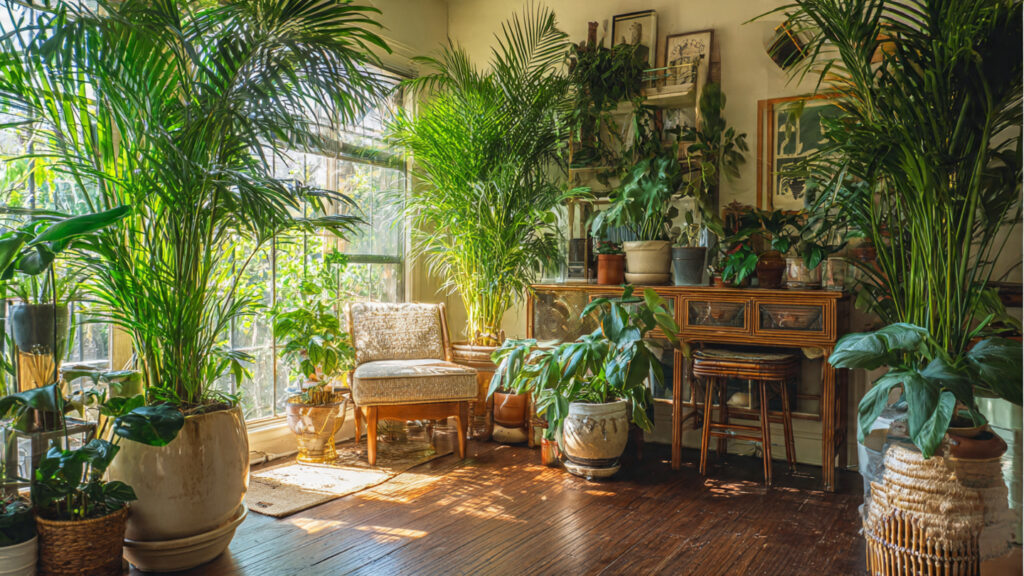
Imagine stepping into your living space and being greeted by the lush, graceful fronds of palm plants swaying gently in the breeze. The elegance of palms is unmatched—they transform ordinary rooms into serene tropical havens. While palms are often associated with outdoor gardens and sun-drenched beaches, many species can thrive indoors with the right care. Bringing the tropics home isn’t just about décor; it’s about creating an environment that feels relaxing, vibrant, and alive. In this article, we’ll share the best tips for growing palm plants indoors so your living space can flourish like a tropical paradise.
Why Palm Plants Are Perfect for Indoors
Palm plants are more than just beautiful foliage—they offer multiple benefits that make them ideal indoor companions:
- Aesthetic Appeal: With their feathery, arching leaves, palms create a sense of space, height, and elegance in any room.
- Air Purification: Certain palm species, like the Areca and Bamboo palms, are natural air purifiers. They filter pollutants and improve indoor air quality.
- Tropical Atmosphere: Palms evoke the feeling of calm, relaxation, and warmth, turning your home into a mini getaway.
- Low Maintenance Options: Many palms are hardy and can adapt to indoor conditions, making them suitable even for beginners.
Choosing the Right Palm for Indoors
Selecting the right species is the first step to success. Not all palms thrive indoors, so consider these popular indoor varieties:
- Areca Palm (Dypsis lutescens): Known for its feathery fronds and bright green foliage, it thrives in indirect light and can grow up to 6-7 feet indoors.
- Parlor Palm (Chamaedorea elegans): A classic indoor palm, slow-growing, low-maintenance, and perfect for smaller spaces.
- Kentia Palm (Howea forsteriana): Elegant and tolerant of low light, making it ideal for living rooms and offices.
- Bamboo Palm (Chamaedorea seifrizii): Effective at purifying air, with tall stems and delicate leaves.
- Lady Palm (Rhapis excelsa): Hardy, adaptable, and stylish, with fan-like leaves suitable for corner spaces.
Choosing a palm that fits your space, light availability, and maintenance comfort ensures long-term success.
Finding the Right Location
Light is crucial for indoor palms. Most palms prefer bright, indirect sunlight, although some can tolerate lower light conditions. Here’s how to pick the best spot:
- Near Windows: Place palms near east or west-facing windows for filtered sunlight. Direct, harsh sunlight may scorch the leaves.
- Avoid Draughts: Keep palms away from cold drafts, heating vents, or air conditioners, as sudden temperature changes can stress the plant.
- Space to Grow: Ensure your palm has enough room to expand its fronds. Tall ceilings or open corners work best for larger species.
By carefully selecting the location, you’ll create optimal conditions for healthy growth and vibrant foliage.
Potting and Soil Essentials
Palms need proper soil and containers to thrive indoors. Here’s what to consider:
- Pot Size: Start with a pot slightly larger than the root ball. As the palm grows, repotting every 2-3 years helps prevent root crowding.
- Drainage: Use pots with drainage holes to prevent waterlogging, which can cause root rot.
- Soil Mix: A well-draining soil mix is essential. Combine potting soil with sand or perlite to ensure adequate drainage while retaining some moisture.
- Humidity: Many tropical palms thrive in higher humidity. Consider placing a humidity tray or misting the leaves during dry seasons.
Watering Guidelines
Proper watering is key to keeping your indoor palm lush and healthy:
- Consistency is Crucial: Palms like slightly moist soil but dislike being soggy. Water thoroughly when the top 1-2 inches of soil feel dry.
- Avoid Overwatering: Too much water can lead to yellowing leaves and root rot. Always check soil moisture before watering.
- Adjust Seasonally: Reduce watering during winter when growth slows. During summer, increase frequency slightly to match warmer indoor conditions.
- Use Room Temperature Water: Cold water can shock the roots, so let water sit at room temperature before using.
Feeding Your Palm
Nutrients help indoor palms grow lush, green, and strong.
- Balanced Fertilizer: Use a slow-release, balanced fertilizer designed for indoor palms during the growing season (spring and summer).
- Frequency: Feed every 6-8 weeks. Avoid over-fertilizing, as excess salts can burn the roots.
- Micronutrients: Palms need magnesium, potassium, and iron. If fronds start yellowing between veins, consider supplementing with a specialized palm fertilizer.
Pruning and Maintenance
Keeping palms neat and healthy requires regular care:
- Trim Dead Fronds: Remove brown or yellow leaves at the base to maintain appearance and allow the plant to focus energy on new growth.
- Clean Leaves: Dust and debris reduce photosynthesis. Wipe fronds gently with a damp cloth to keep them clean and vibrant.
- Check for Pests: Indoor palms are generally pest-resistant, but occasionally, spider mites or scale can appear. Treat early with insecticidal soap or neem oil.
Enhancing Indoor Tropical Ambiance
Beyond care, palms can elevate your living space aesthetically:
- Grouping Plants: Combine palms with ferns, philodendrons, or monstera for a mini tropical oasis.
- Decorative Pots: Choose stylish planters that complement your home décor. Terracotta, ceramic, or wicker pots add a natural feel.
- Strategic Placement: Use palms to create visual partitions in open-plan spaces, or as focal points near seating areas.
- Lighting Accents: Subtle LED uplighting or natural light from windows enhances the tropical look.
Common Mistakes to Avoid
Even experienced plant lovers can make mistakes. Avoid these common pitfalls:
- Too Much Sunlight: Harsh direct light can scorch leaves. Stick to filtered or indirect sunlight.
- Overwatering: Constantly wet soil leads to root rot and yellow fronds.
- Ignoring Humidity: Low humidity can cause brown tips. Misting or humidity trays help maintain tropical conditions.
- Neglecting Growth Needs: Tall species need space to grow. Cramped conditions can stunt the plant.
Creating a Lush, Tropical Sanctuary
By choosing the right species, providing proper light, soil, water, and nutrients, and integrating palms thoughtfully into your décor, you can transform any room into a lush tropical retreat. Indoor palms not only beautify your home but also improve air quality, reduce stress, and promote a serene atmosphere.
Imagine starting your morning with sunlight streaming through palm fronds, a gentle breeze, and the soothing greenery of your indoor jungle. With consistent care, attention, and patience, this vision can become a reality.
Final Thoughts
Bringing the tropics home with indoor palms is an art and a science. It’s about understanding the needs of your plant, creating optimal conditions, and designing a space that enhances both aesthetic appeal and well-being. Palms thrive when they feel supported—by the right light, soil, water, and space.
➡️ How to Grow Malabar Spinach from Cuttings for Fast, Easy Greens
➡️ How to Grow Super Delicious Cabbage at Home Without a Garden
➡️ How to Grow Bean Sprouts at Home in Plastic Bottles Easily (Step‑by‑Step Guide)
➡️ Why is Your Lemon Tree Blooming in the Heart of Winter?
➡️ Why Should Your Garden Have a Dedicated Pollinator Highway?
➡️ Why Do Your Fruit Trees Need a Winter Wash to Thrive in Spring?
➡️ How Can Rice Water Transform Your Fruits into Sweeter Delights?
➡️ Jumpstart Your Winter Garden: Seed Starting Under Lights
The lush greenery, graceful movement, and tropical ambiance offered by indoor palms can turn your home into a sanctuary where relaxation, beauty, and serenity coexist. Whether you’re a beginner looking for low-maintenance options like the Parlor Palm, or an enthusiast ready to care for the majestic Areca or Kentia palms, your indoor garden can become a vibrant, living work of art.
With these tips in mind, you’re ready to embrace the tropical lifestyle indoors, creating a lush, serene space that uplifts your mood, purifies your air, and transforms everyday living into an extraordinary experience.