Indoor gardening has become increasingly popular, especially with the rise of small-space apartments, urban living, and a desire for natural décor. However, even the most carefully nurtured plants can fall victim to common pests. One such pest is the fungus gnat, a tiny but persistent insect that can wreak havoc on indoor plants. Many gardeners have turned to decorative stones—small pebbles or gravel used as a top layer in plant pots—as a potential solution. But do these stones actually work in stopping fungus gnats, or are they just a trendy addition to your plant aesthetic? Let’s explore the science and practical methods behind this question.
Understanding Fungus Gnats
Before we discuss solutions, it’s essential to understand the enemy. Fungus gnats are small, mosquito-like insects that thrive in moist, organic-rich soil. The adult gnats themselves are mostly harmless, fluttering around houseplants and occasionally annoying the gardener. However, it’s their larvae that pose a real threat. Fungus gnat larvae feed on roots and organic matter in the soil, potentially damaging young plants, seedlings, and even mature houseplants over time.
Fungus gnats are particularly attracted to overwatered plants and soil with abundant decaying organic matter. Controlling them requires targeting both the adults and larvae, as well as modifying the environment to make it less hospitable.
Decorative Stones: What Are They?
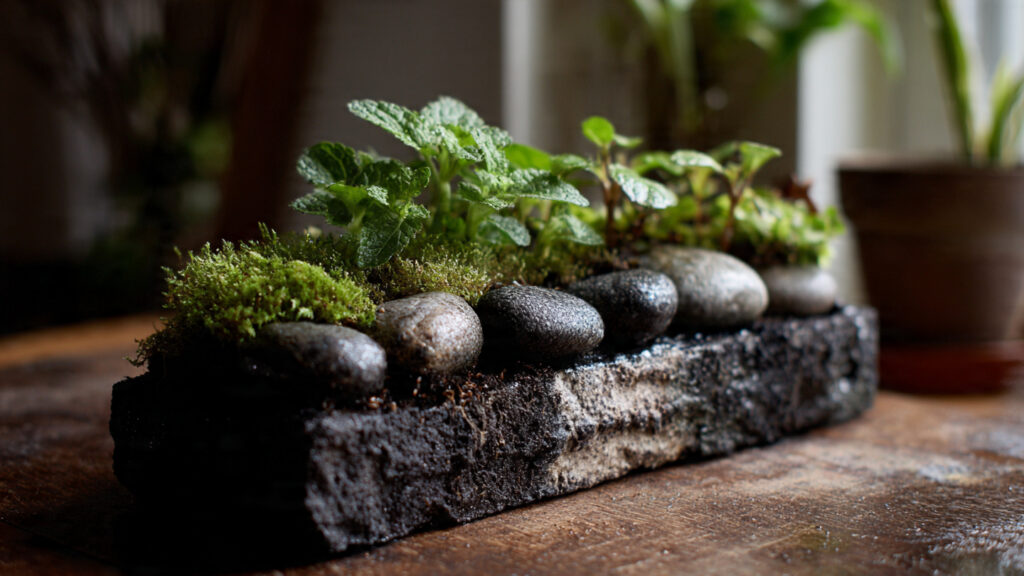
Decorative stones, also known as top-dressing, are small pebbles, gravel, or crushed rocks placed on the surface of a potted plant’s soil. Beyond their aesthetic appeal, these stones are believed to serve a functional purpose: by covering the soil surface, they can reduce the chances of fungus gnat larvae accessing the topsoil and emerging as adults. Common types of decorative stones include:
- Polished pebbles – Smooth, shiny stones often used in indoor planters.
- Crushed lava rock – Lightweight, porous stones ideal for succulents and cacti.
- River stones – Rounded, natural-looking stones for a decorative touch.
These stones are widely available at garden centers, online stores, and home improvement shops, making them an accessible option for indoor gardeners.
How Decorative Stones Might Help
There are several ways decorative stones could contribute to controlling fungus gnats naturally:
1. Physical Barrier for Larvae
The theory behind using stones is that they create a dry, tough barrier on the soil surface. Fungus gnat larvae, which live in the top layer of soil, find it more difficult to reach the surface to pupate and emerge as adults. Essentially, the stones act as a mechanical block, reducing the reproduction rate of the gnats over time.
2. Reduced Moisture on Soil Surface
Fungus gnats are attracted to moist surfaces, particularly the topsoil. By covering the soil with stones, water evaporates more slowly and is retained deeper in the soil, leaving the surface drier. A dry surface is less hospitable for larvae and discourages adult gnats from laying eggs.
3. Disruption of Egg-Laying
Adult fungus gnats prefer to lay eggs in moist, exposed soil. Decorative stones hide the soil, which can reduce egg-laying opportunities. While it may not eliminate gnats completely, it can reduce their population and prevent a rapid infestation.
Limitations of Decorative Stones
While decorative stones have some benefits, they are not a guaranteed solution for fungus gnats. Understanding their limitations is crucial:
- They don’t kill larvae: Stones primarily prevent adult emergence and reduce egg-laying, but existing larvae under the stone layer may continue feeding on roots.
- They don’t eliminate adults: Flying gnats already present in your home can still reach your plants and lay eggs.
- Moisture control is key: If the soil beneath the stones remains overly wet, larvae will thrive despite the top layer.
In short, decorative stones are part of a broader integrated pest management strategy, not a standalone solution.
Complementary Natural Methods
To maximize the effectiveness of decorative stones, it’s helpful to combine them with other natural fungus gnat control methods:
1. Allow Soil to Dry
Fungus gnats require moist soil to reproduce. Letting the soil dry out between waterings is one of the simplest and most effective control methods. For most houseplants, watering when the top inch of soil feels dry is sufficient. This stresses the larvae and prevents adults from laying eggs in damp soil.
2. Use Beneficial Nematodes
Beneficial nematodes, such as Steinernema feltiae, are microscopic worms that feed on fungus gnat larvae. Applying these nematodes to the soil is a natural, chemical-free way to reduce larval populations. They are safe for plants, pets, and humans, making them an excellent companion to decorative stones.
3. Sticky Traps
Yellow sticky traps attract adult fungus gnats and help monitor and reduce populations. Placing a few traps near plants can significantly reduce adult numbers, which indirectly decreases egg-laying.
➡️ How to Grow Malabar Spinach from Cuttings for Fast, Easy Greens
➡️ How to Grow Super Delicious Cabbage at Home Without a Garden
➡️ How to Grow Bean Sprouts at Home in Plastic Bottles Easily (Step‑by‑Step Guide)
➡️ Why is Your Lemon Tree Blooming in the Heart of Winter?
➡️ Why Should Your Garden Have a Dedicated Pollinator Highway?
➡️ Why Do Your Fruit Trees Need a Winter Wash to Thrive in Spring?
➡️ How Can Rice Water Transform Your Fruits into Sweeter Delights?
➡️ Jumpstart Your Winter Garden: Seed Starting Under Lights
4. Cinnamon or Sand
Some gardeners sprinkle cinnamon powder on the soil surface due to its natural antifungal properties, or coarse sand to create a dry layer that inhibits larvae movement. Both methods can work in tandem with decorative stones to create a hostile environment for fungus gnats.
5. Good Drainage
Proper potting soil and drainage prevent waterlogging, which is the primary factor for fungus gnat infestations. Ensure your pots have drainage holes, use well-draining soil mixes, and avoid saucers filled with standing water.
Practical Tips for Using Decorative Stones
If you decide to try decorative stones, here are some tips to make them more effective:
- Use a thick layer – A layer of at least 1–2 inches helps create a more effective barrier.
- Keep it clean – Remove fallen leaves and debris from the stone surface, as these provide food and shelter for larvae.
- Combine with drying – Water plants only as needed, ensuring the surface stays relatively dry.
- Monitor regularly – Check under the stones occasionally for larvae and adjust watering habits if necessary.
- Pair with traps or nematodes – For severe infestations, use decorative stones alongside natural predators or sticky traps for faster results.
Conclusion: Do Decorative Stones Really Work?
The answer is nuanced. Decorative stones alone are not a magic fix, but they can be a helpful part of a natural strategy to prevent fungus gnats. By creating a dry barrier and reducing exposed soil for egg-laying, stones can slow down gnat reproduction and make your plants less attractive to these pests. However, their effectiveness improves greatly when combined with proper watering, good drainage, natural predators, and sticky traps.
For indoor gardeners looking to protect their plants without chemical pesticides, decorative stones offer both aesthetic and functional benefits. They enhance the look of your plant pots while contributing to a multi-layered pest control approach. By understanding the biology of fungus gnats and addressing the root causes of infestations, you can enjoy a thriving, gnat-free indoor garden.
Ultimately, decorative stones are a valuable tool, but the key to long-term success lies in careful cultural practices and integrated pest management. With patience, consistency, and natural interventions, your plants can flourish beautifully, free from the annoyance of fungus gnats.