For many gardeners, the idea of growing corn in their backyard evokes images of golden stalks swaying in the sun, sweet kernels, and summer harvests. But what if you could take it a step further and transform your garden into a popcorn paradise with just one special seed variety? Popcorn isn’t just a snack; it’s a fascinating plant with unique cultivation requirements and a rich history. By selecting the right variety, understanding its growth needs, and caring for it properly, you can enjoy fresh, homegrown popcorn straight from your garden.
In this article, we’ll explore how one special seed variety can elevate your garden, the best practices for growing popcorn, and tips to ensure a bountiful, crunchy harvest.
Why Popcorn Is a Unique Garden Crop
Popcorn is a type of Zea mays everta, distinct from sweet corn or field corn. Unlike other varieties, popcorn kernels have a hard moisture-sealed hull and a dense starchy interior. When heated, the moisture inside turns to steam, creating the familiar “pop.”
Several factors make popcorn a unique addition to a home garden:
- Variety Matters: Popcorn varieties differ in kernel size, shape, color, and popping quality. Choosing the right seed is essential for both flavor and yield.
- Growing Requirements: Popcorn needs full sun, fertile soil, and consistent care to thrive.
- Harvesting Challenges: Unlike sweet corn, popcorn must be allowed to fully dry on the stalk before harvesting to achieve optimal popping.
Growing popcorn can be a fun, educational, and rewarding experience for gardeners of all levels, especially when using a high-quality, specialty seed variety.
Choosing the Special Seed Variety
Not all popcorn seeds are created equal. Selecting the right variety is the first step in creating your popcorn paradise.
1. Hulless vs. Standard Popcorn
Most traditional popcorn varieties have a thick hull, which protects the kernel but can sometimes be tougher to chew. Some modern seed varieties produce thinner-hulled popcorn that is easier on the teeth while still offering excellent popping performance.
2. Colorful Kernels
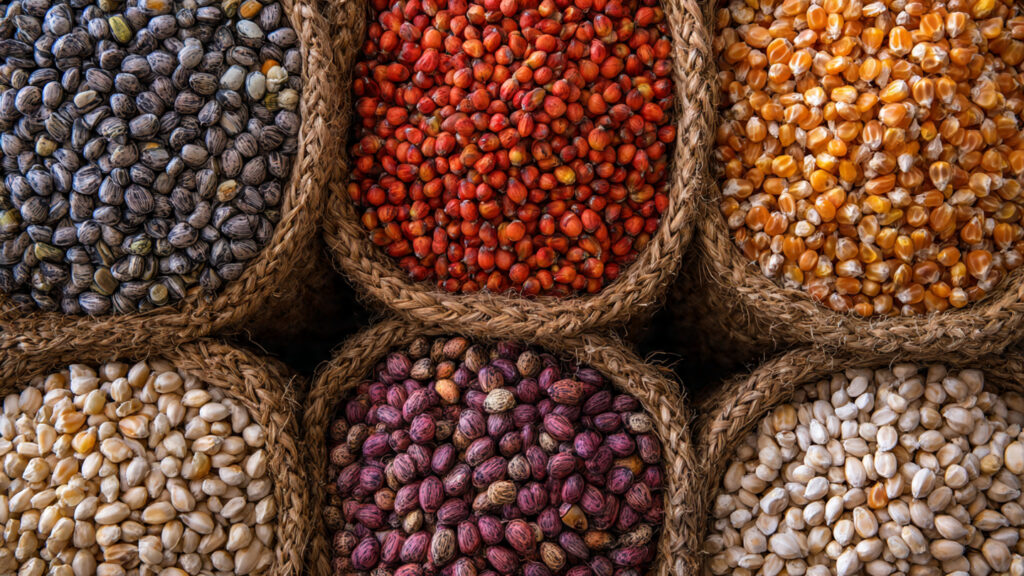
Popcorn seeds come in a rainbow of colors, from white and yellow to red, blue, purple, and even multicolored blends. These varieties not only create visual appeal in your garden but also offer unique flavors and textures when popped.
3. Flavor and Texture
Specialty popcorn varieties have been developed for superior flavor, size, and pop expansion. For example:
- “Strawberry Popcorn”: Red kernels with a slightly nutty flavor.
- “Blue Pearl”: Small blue kernels that pop fluffy and tender.
- “Baby White”: Classic white popcorn with a neutral taste perfect for seasoning.
Choosing a high-quality seed variety ensures that your garden produces popcorn that’s not only visually appealing but also delicious.
Preparing Your Garden for Popcorn
Successful popcorn cultivation begins with careful garden preparation:
1. Location
- Sunlight: Popcorn requires at least 6–8 hours of direct sunlight daily. Full sun promotes strong stalks and healthy kernel development.
- Wind Protection: Sturdy, tall stalks can be damaged by strong winds, so consider planting in a sheltered area or using windbreaks.
2. Soil Requirements
- Fertility: Popcorn thrives in nutrient-rich, well-draining soil.
- pH: Aim for a slightly acidic to neutral pH (6.0–7.0).
- Amendments: Incorporate compost or well-rotted manure to enhance fertility and improve soil structure.
3. Spacing and Layout
- Row Spacing: Space rows 24–36 inches apart for optimal airflow and sunlight exposure.
- Plant Spacing: Space seeds 8–12 inches apart in rows. Proper spacing reduces disease risk and encourages uniform growth.
- Block Planting: Popcorn benefits from block planting rather than single long rows to promote pollination. Corn is wind-pollinated, and planting in blocks ensures kernels develop evenly.
Planting Your Special Popcorn Seeds
Timing and technique are key for popcorn success:
1. Timing
- Soil Temperature: Wait until soil temperatures reach at least 60°F (16°C). Cold soil can delay germination or damage seeds.
- Frost-Free: Ensure the risk of frost has passed, as young popcorn plants are sensitive to cold.
2. Sowing Seeds
- Depth: Plant seeds 1–2 inches deep, depending on soil type.
- Watering: Keep soil moist but not waterlogged during germination.
3. Germination and Early Care
- Seedling Care: Thin seedlings if multiple seeds germinate in the same spot, leaving the strongest plant.
- Mulching: Apply mulch to retain soil moisture, suppress weeds, and maintain soil temperature.
Caring for Popcorn Plants
Popcorn requires ongoing care throughout its growth cycle to reach full potential:
1. Watering
- Consistency: Maintain even moisture, especially during tasseling and ear development.
- Avoid Overwatering: Excessive water can promote fungal diseases like rust or smut.
2. Fertilization
- Nitrogen: Supports strong stalk growth. Apply during early growth stages.
- Phosphorus and Potassium: Encourage root development and improve ear quality.
- Organic Options: Compost tea or liquid seaweed can provide gentle, effective nutrients.
3. Pest and Disease Management
- Common Pests: Corn earworm, aphids, and cutworms.
- Prevention: Rotate crops, use row covers, and monitor plants regularly.
- Fungal Issues: Proper spacing, good airflow, and avoiding wetting foliage reduce disease risk.
Harvesting Popcorn
The right harvest time is crucial to achieve perfect popping results:
- Check Maturity: Popcorn ears are ready when husks turn brown and dry, and kernels are hard.
- Test Kernels: Press a kernel with your fingernail—if it resists denting, it’s ready to harvest.
- Harvest Carefully: Use sharp shears or twist ears off gently to avoid damaging the stalk.
Drying and Storing Popcorn
After harvest, drying is essential to ensure kernels pop correctly:
➡️ How to Grow Malabar Spinach from Cuttings for Fast, Easy Greens
➡️ How to Grow Super Delicious Cabbage at Home Without a Garden
➡️ How to Grow Bean Sprouts at Home in Plastic Bottles Easily (Step‑by‑Step Guide)
➡️ Why is Your Lemon Tree Blooming in the Heart of Winter?
➡️ Why Should Your Garden Have a Dedicated Pollinator Highway?
➡️ Why Do Your Fruit Trees Need a Winter Wash to Thrive in Spring?
➡️ How Can Rice Water Transform Your Fruits into Sweeter Delights?
➡️ Jumpstart Your Winter Garden: Seed Starting Under Lights
1. Drying
- Hanging Method: Hang ears in a warm, dry, and well-ventilated space for 2–4 weeks.
- Shelled Drying: Remove kernels from cobs and spread them in a single layer on trays. Air-dry for several weeks.
2. Moisture Content
- Aim for 13–14% moisture in kernels. Too wet and they won’t pop well; too dry and they may shatter.
3. Storage
- Containers: Store dried kernels in airtight glass jars or sealed bags.
- Location: Keep in a cool, dark, and dry place. Properly stored popcorn can last 6–12 months.
Popping Your Homegrown Corn
Fresh, homegrown popcorn is a treat:
- Air-Popping: Preserves natural flavor without added oils.
- Stovetop Popping: Use a light oil for traditional flavor.
- Seasoning: Salt, butter, herbs, or spices enhance taste.
Nothing beats the satisfaction of enjoying popcorn grown entirely in your own garden.
Benefits of Growing Popcorn at Home
- Unique Experience: Growing popcorn is different from typical vegetables, offering a fun and educational activity for families.
- Flavor and Freshness: Homegrown kernels taste far superior to store-bought options.
- Control Over Varieties: Specialty seeds allow experimentation with colors, flavors, and popping quality.
- Sustainable: Reduces reliance on packaged popcorn, minimizing plastic waste.
Tips for Maximizing Success
- Pollination: Plant in blocks to ensure proper pollination and full ears.
- Monitor Growth: Tall popcorn stalks may need staking in windy areas.
- Companion Plants: Beans, peas, and squash can grow well alongside popcorn, following the “Three Sisters” gardening method.
- Record Keeping: Track planting dates, growth, and harvest times for improved results next season.
Conclusion
One special seed variety really can transform your garden into a popcorn paradise. With careful selection, proper planting, attentive care, and thoughtful harvesting, popcorn grows successfully in home gardens and provides fresh, delicious kernels for months. From vibrant colored varieties to classic white or yellow popcorn, these plants add beauty, texture, and excitement to your backyard while rewarding your efforts with tasty, fun-to-eat results.
Whether you’re a seasoned gardener or a curious beginner, growing popcorn offers a unique and rewarding way to connect with your food, experiment with specialty seed varieties, and enjoy the satisfaction of homegrown snacks. With the right approach, your garden can become more than a source of vegetables—it can become a true popcorn paradise, ready to delight friends and family all year long.