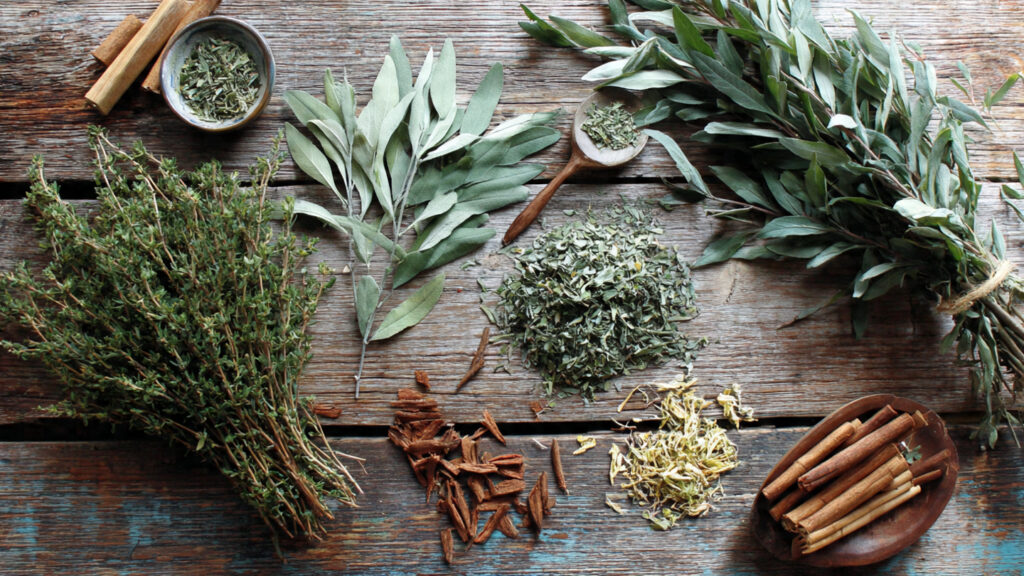
Imagine stepping into a garden where the air is filled with sweet scents of roses, lavender, jasmine, and mint. A fragrant garden has the power to uplift moods, reduce stress, and provide an enchanting sensory experience. But creating such a garden doesn’t always require purchasing fully grown plants. With the right knowledge and a bit of patience, you can grow a fragrant garden entirely from cuttings. Propagating plants from cuttings is cost-effective, allows you to replicate the exact fragrance and appearance of the parent plant, and provides the rewarding satisfaction of nurturing life from a small stem. In this article, we’ll explore how you can create a fully fragrant garden from cuttings, step by step.
Understanding Plant Propagation from Cuttings
Propagation from cuttings involves taking a portion of a plant—usually a stem, leaf, or root—and encouraging it to grow into a new, independent plant. This technique is widely used for herbs, flowering plants, shrubs, and fragrant species.
The advantages of propagating cuttings include:
- Cloning Desired Traits: The new plant will have the exact fragrance, flower color, and growth habit of the parent plant.
- Cost-Effective: You don’t need to purchase mature plants. A single healthy plant can give dozens of cuttings.
- Faster Blooming: Many fragrant plants from cuttings reach flowering sooner than seedlings.
- Preserving Rare Varieties: Propagation ensures that unique, aromatic plants aren’t lost.
Understanding the biology of plant growth—especially how roots form from nodes—is key to successful propagation.
Choosing the Right Plants for a Fragrant Garden
Not all fragrant plants propagate equally well from cuttings. Some are easier and more reliable than others. Here’s a list of popular choices for a fragrant garden:
1. Roses
- Roses are classic fragrant garden plants, and many varieties root well from semi-hardwood cuttings.
- Cuttings taken in late summer or early fall, when stems are firm but still flexible, tend to root successfully.
2. Lavender
- Lavender cuttings root quickly and thrive in sunny, well-draining soil.
- Choose softwood or semi-hardwood cuttings for best results.
3. Jasmine
- Many jasmine varieties, including star jasmine, can be propagated from softwood cuttings.
- These cuttings require warm, humid conditions to develop roots.
4. Mint and Basil
- Herbs are ideal for cuttings and provide ongoing fragrance when grown in clusters.
- Leaf or stem cuttings root quickly in water or soil.
5. Gardenias
- Gardenias are famous for their rich, intoxicating scent.
- Semi-hardwood cuttings root best in late spring or early summer, using rooting hormone for higher success rates.
6. Sweet Alyssum and Honeysuckle
- These flowering climbers add light, sweet scents and are easy to propagate via cuttings.
By selecting a mix of flowers, shrubs, and herbs, you can create layers of fragrance throughout your garden—ground-level herbs, mid-height shrubs, and climbing vines—all propagated from cuttings.
Steps to Propagate Cuttings Successfully
Creating a fragrant garden from cuttings requires patience and attention to detail. Follow these steps for the best results:
1. Choose Healthy Parent Plants
- Select plants free from pests or disease.
- Healthy parent plants provide the energy needed for rooting and early growth.
2. Take the Cutting
- Stem Cuttings: 4–6 inches long, with at least 2–3 nodes. Remove leaves from the lower half.
- Leaf Cuttings: Suitable for some herbs like mint and basil. Cut a healthy leaf and insert it in soil.
- Root Cuttings: Less common for fragrant plants but used for certain perennials.
Use sharp, sterilized scissors or pruning shears for a clean cut.
3. Optional: Use Natural Rooting Hormones
- Honey, aloe vera gel, or willow water can encourage root growth organically.
- Honey, in particular, has antibacterial properties that protect cuttings from infections while stimulating root development.
4. Prepare the Growing Medium
- Choose a well-draining medium: a mix of coco peat, perlite, and compost works best.
- Avoid heavy garden soil, which can retain excess water and cause rot.
5. Plant the Cutting
- Make a small hole in the soil to avoid damaging the stem.
- Insert the cutting so that at least one node is buried.
- Firm the soil gently around the base.
6. Maintain a Root-Friendly Environment
- Keep the cutting in bright, indirect light.
- Maintain high humidity by covering it with a plastic bag or using a mini greenhouse setup.
- Water lightly, ensuring the medium stays moist but not soggy.
Roots typically form in 3–8 weeks, depending on the plant species.
Arranging Your Fragrant Garden
Once your cuttings have rooted and grown into young plants, it’s time to plan your garden layout. Here’s how to maximize fragrance and aesthetic appeal:
1. Layer Fragrances by Height
- Low-growing herbs (mint, basil, thyme) near pathways or seating areas for immediate fragrance.
- Medium-height shrubs (lavender, gardenia, roses) provide visual and aromatic appeal.
- Climbing plants (jasmine, honeysuckle) on trellises or walls create a fragrant vertical layer.
2. Mix Scent Intensities
- Combine strong-smelling plants (gardenia, jasmine) with lighter-scented flowers (sweet alyssum) for a harmonious fragrance profile.
3. Consider Blooming Seasons
- Choose plants with staggered bloom times to ensure year-round fragrance. For example:
- Spring: lavender, sweet alyssum
- Summer: roses, gardenia
- Fall: jasmine, mint
4. Plan for Air Circulation
- Adequate spacing prevents mold and fungal issues, keeping fragrance fresh.
- Avoid overcrowding; even fragrant plants need room to grow.
Care Tips for Your Cuttings-Based Garden
Even after cuttings develop into full plants, proper care ensures your garden thrives and remains fragrant:
1. Watering
- Deep watering promotes strong root systems.
- Herbs often prefer slightly drier conditions, while shrubs like gardenia need consistently moist soil.
2. Fertilizing
- Use organic fertilizers such as compost, seaweed extract, or well-rotted manure.
- Avoid excessive nitrogen, which can reduce flowering and fragrance.
3. Pruning
- Prune spent flowers to encourage continuous blooms.
- Trim herbs regularly to maintain bushy growth and enhance aroma.
4. Pest Management
- Monitor for aphids, whiteflies, or fungal infections.
- Use organic methods like neem oil, insecticidal soap, or companion planting.
5. Mulching
- Apply organic mulch around the base to retain moisture, regulate soil temperature, and reduce weeds.
Advantages of a Fragrant Garden From Cuttings
Creating a fragrant garden from cuttings offers several unique benefits:
- Cost-Effective: You can start with a single parent plant and multiply it to fill your entire garden.
- Customized Fragrance: Choose your favorite aromatic plants and create a scent profile that suits your preference.
- Environmentally Friendly: No need for chemical rooting hormones or imported plants—organic propagation is sustainable.
- Sense of Accomplishment: Watching a plant grow from a small cutting into a flowering, fragrant specimen is deeply satisfying.
Common Mistakes to Avoid
- Using Diseased Cuttings: Always select healthy stems; infected cuttings reduce success rates.
- Overwatering: Excess moisture causes root rot, especially in softwood cuttings.
- Poor Light Conditions: Cuttings need bright but indirect sunlight for proper growth.
- Ignoring Soil Quality: Nutrient-poor or compact soil slows root development and reduces fragrance intensity.
Conclusion
Yes, you can absolutely create a fragrant garden from cuttings alone. With the right selection of aromatic plants, careful propagation techniques, and thoughtful garden design, a small cutting can grow into a thriving plant that fills your space with delightful scents. From roses and lavender to jasmine and mint, your garden can bloom with layered fragrances that change throughout the seasons.
By propagating your plants from cuttings, you save money, preserve rare varieties, and enjoy the unique satisfaction of nurturing life from a tiny stem. With proper care—watering, pruning, fertilizing, and pest management—your cuttings-based fragrant garden can flourish year after year, creating a sanctuary of scent and beauty that elevates both your outdoor and indoor living spaces.
So, grab your pruning shears, select your favorite aromatic plants, and start your journey. Your dream fragrant garden is just a few cuttings away!
➡️ How to Grow Malabar Spinach from Cuttings for Fast, Easy Greens
➡️ How to Grow Super Delicious Cabbage at Home Without a Garden
➡️ How to Grow Bean Sprouts at Home in Plastic Bottles Easily (Step‑by‑Step Guide)
➡️ Why is Your Lemon Tree Blooming in the Heart of Winter?
➡️ Why Should Your Garden Have a Dedicated Pollinator Highway?
➡️ Why Do Your Fruit Trees Need a Winter Wash to Thrive in Spring?
➡️ How Can Rice Water Transform Your Fruits into Sweeter Delights?
➡️ Jumpstart Your Winter Garden: Seed Starting Under Lights