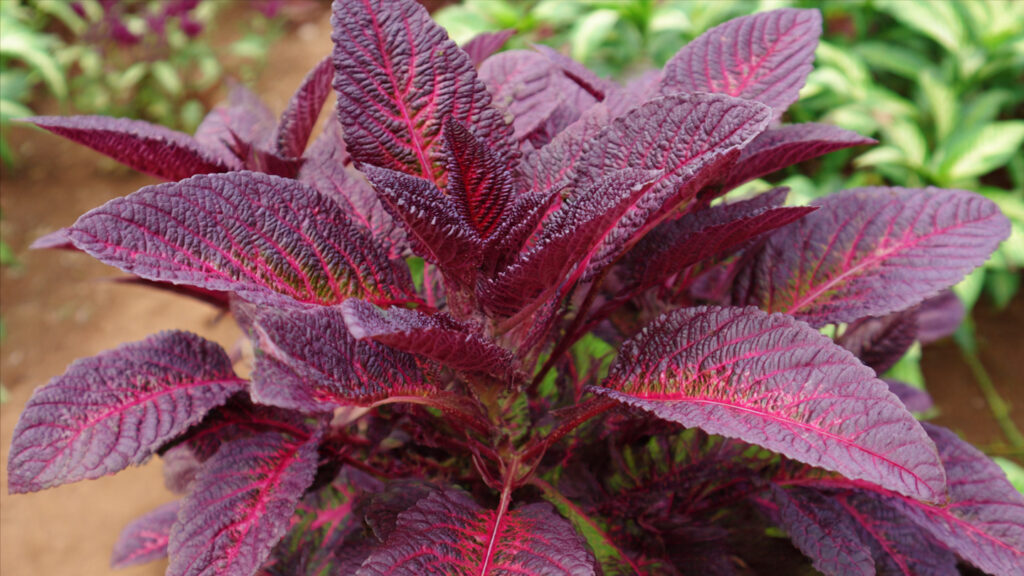
Red amaranthus (Amaranthus cruentus), with its vibrant crimson leaves and striking foliage, is more than just a decorative plant. It is an edible leafy green rich in vitamins, minerals, and antioxidants, making it a versatile choice for both ornamental and kitchen gardens. Its bold color adds drama to garden beds, borders, and containers, while its tender leaves can be harvested for salads, soups, and stir-fries. For home gardeners looking to cultivate a lush, thriving patch of red amaranthus, understanding its growth requirements is key. With the right soil, sunlight, watering, and natural care practices, you can enjoy a garden full of healthy, deep-red leaves all season long.
1. Choosing the Right Variety
Before planting, selecting the ideal variety ensures success and a vibrant color display:
- ‘Red Garnet’ Amaranthus: Known for its deep red foliage and bushy habit, perfect for both garden beds and containers.
- ‘Velvet Curtains’ Amaranthus: Produces cascading red leaves, ideal for dramatic vertical accents in the garden.
- ‘Autumn Palette’ Amaranthus: Offers a combination of red, burgundy, and green leaves, creating a lively, textured look.
Selecting a variety suited to your growing conditions and aesthetic preference provides the foundation for a lush, healthy crop.
2. Selecting the Ideal Planting Location
Red amaranthus thrives under specific light and soil conditions, which are critical for rich leaf color and abundant growth:
- Sunlight: Full sun is essential. At least 6–8 hours of direct sunlight per day intensifies the red pigmentation in leaves. Partial shade may produce greenish foliage instead of the desired deep crimson.
- Soil Requirements: Well-draining, fertile soil is best. Loamy soil enriched with organic matter promotes healthy roots and encourages strong leaf development. Avoid waterlogged or compacted soil, which can stunt growth and promote disease.
- Air Circulation: Ensure spacing of 12–18 inches between plants to reduce the risk of fungal infections and allow airflow, which helps leaves develop fully and maintain vibrant color.
Choosing the right site with adequate sunlight and fertile soil sets the stage for lush, red foliage.
3. Sowing Seeds Properly
Growing red amaranthus from seed is straightforward but requires careful attention to timing and soil preparation:
- Timing: Red amaranthus thrives in warm conditions. Sow seeds after the last frost date when the soil has warmed to at least 18°C (65°F).
- Seed Preparation: Lightly moisten the soil and scatter seeds evenly. Because seeds are tiny, press them gently into the soil surface rather than covering deeply. They need light to germinate.
- Spacing: Thin seedlings to 12–18 inches apart once they are a few inches tall to allow room for full, bushy growth.
- Indoor Starting: For a head start in cooler climates, sow seeds indoors 3–4 weeks before the last frost. Transplant seedlings after hardening them off for 7–10 days.
Proper seed sowing ensures uniform germination and establishes a foundation for robust growth.
4. Watering and Mulching for Healthy Leaves
Water management is critical to maintaining lush, thick foliage:
- Consistent Moisture: Amaranthus prefers soil that is evenly moist but not waterlogged. Deep, infrequent watering encourages strong roots and supports vibrant leaves.
- Mulching: Apply organic mulch such as straw or shredded leaves around the base of plants. Mulch helps retain soil moisture, suppress weeds, and regulate soil temperature—especially important in hot summer months.
- Avoid Overwatering: Excess water can dilute leaf pigmentation and promote fungal diseases, reducing overall leaf quality.
Maintaining balanced moisture levels encourages dense, colorful foliage and long-lasting garden appeal.
5. Nutrient-Rich Soil and Organic Fertilization
Fertile soil directly impacts leaf color, texture, and density:
- Compost and Vermicompost: Adding well-decomposed compost or vermicompost provides essential nutrients, supports soil microbes, and encourages healthy leaf growth.
- Nitrogen for Leaf Growth: Nitrogen promotes lush, leafy development. Natural sources such as neem cake, cow manure, or liquid seaweed extract provide nitrogen without chemicals.
- Balanced Fertilization: Avoid excessive nitrogen, which can cause overly soft leaves prone to pests. Supplement with phosphorus and potassium to strengthen stems and maintain vibrant leaf color.
Healthy soil produces strong, bushy plants with deep-red leaves that enhance the overall garden aesthetic.
6. Pruning and Pinching for Bushiness
Amaranthus naturally grows upright, but strategic pinching and pruning can encourage a fuller, more compact plant:
- Pinch Young Shoots: When seedlings are 6–8 inches tall, pinch the tips to encourage lateral branching.
- Remove Flower Buds Early: Amaranthus produces flowers that signal a transition from vegetative growth to seed production. Pinching early flower buds redirects energy to leaf growth, resulting in a bushier plant.
- Prune Sparingly: Remove weak or damaged stems to improve airflow and light penetration. Avoid over-pruning, which can stress the plant and reduce leaf production.
Regular pruning creates a dense canopy of rich red leaves, enhancing both beauty and harvest potential.
7. Temperature and Sunlight Management
Vibrant red coloration in leaves depends on warm temperatures and adequate sunlight:
- Optimal Temperatures: Red amaranthus grows best in 20–30°C (68–86°F). Cooler temperatures can slow growth and diminish red pigmentation.
- Sun Exposure: Rotate pots or adjust garden placement so all sides of the plant receive sunlight evenly. Uneven light can cause uneven coloration or leggy growth.
- Shade in Extreme Heat: In areas with scorching afternoon sun, light shade can prevent leaf scorching without compromising pigmentation.
Providing consistent warmth and sunlight ensures dense, vividly colored foliage.
➡️ How to Grow Malabar Spinach from Cuttings for Fast, Easy Greens
➡️ How to Grow Super Delicious Cabbage at Home Without a Garden
➡️ How to Grow Bean Sprouts at Home in Plastic Bottles Easily (Step‑by‑Step Guide)
➡️ Why is Your Lemon Tree Blooming in the Heart of Winter?
➡️ Why Should Your Garden Have a Dedicated Pollinator Highway?
➡️ Why Do Your Fruit Trees Need a Winter Wash to Thrive in Spring?
➡️ How Can Rice Water Transform Your Fruits into Sweeter Delights?
➡️ Jumpstart Your Winter Garden: Seed Starting Under Lights
8. Companion Planting and Pest Management
Amaranthus is relatively pest-resistant but benefits from natural strategies to prevent damage:
- Common Pests: Aphids, caterpillars, and leaf miners occasionally affect amaranthus. Spray affected areas with neem oil or a mild soap solution to manage infestations.
- Beneficial Insects: Encourage ladybugs and lacewings, which prey on pests naturally.
- Companion Plants: Marigolds and basil can deter pests, while nitrogen-fixing plants like beans enrich the soil, indirectly supporting leafy growth.
Healthy, pest-free plants naturally produce fuller foliage and maintain rich color.
9. Harvesting for Continuous Growth
Red amaranthus is a cut-and-come-again leafy vegetable, meaning proper harvesting stimulates new growth:
- Frequent Harvests: Pick mature leaves regularly. Avoid removing more than one-third of the plant at a time to prevent stress.
- Top-Down Harvesting: Harvest leaves from the top and outer stems. This encourages lateral branching and a denser plant.
- Morning Harvest: Leaves harvested in the morning retain maximum flavor, nutrients, and vibrant color.
Regular harvesting not only provides fresh leaves for the kitchen but also promotes a thicker, bushier plant in the garden.
10. Seasonal Care and Maintenance
Maintaining red amaranthus throughout the growing season requires attention to soil health, moisture, and pruning:
- Soil Refresh: In pots or small beds, top-dress with compost mid-season to replenish nutrients.
- Mulch Renewal: Replace mulch periodically to maintain moisture and temperature balance.
- Monitor Growth: Keep an eye on leaf color and plant vigor. Yellowing or wilting leaves indicate nutrient deficiency, water imbalance, or pest issues. Address promptly.
- Flowering Management: Continue to pinch late in the season if your goal is maximum leaf production.
Consistent care ensures your red amaranthus patch remains lush, healthy, and visually striking from planting to harvest.
Conclusion
Growing red amaranthus for a lush garden is a rewarding and straightforward process when approached naturally. By selecting the right variety, providing full sunlight, fertile soil, and consistent water, and practicing strategic pruning and harvesting, gardeners can cultivate a dense, vibrant patch of crimson leaves. Companion planting and natural pest control methods further enhance plant health and productivity, resulting in a garden full of rich, edible foliage.
Whether you are looking to create a visually stunning garden bed, add edible leaves to your kitchen, or enjoy the medicinal benefits of amaranthus, these simple steps ensure your plants thrive. Dense, red leaves not only elevate the beauty of your garden but also provide a continuous supply of nutritious greens for your family. By nurturing your red amaranthus naturally, you can enjoy a lush, flourishing garden all season long—a testament to the beauty of combining practical care with natural growing practices.