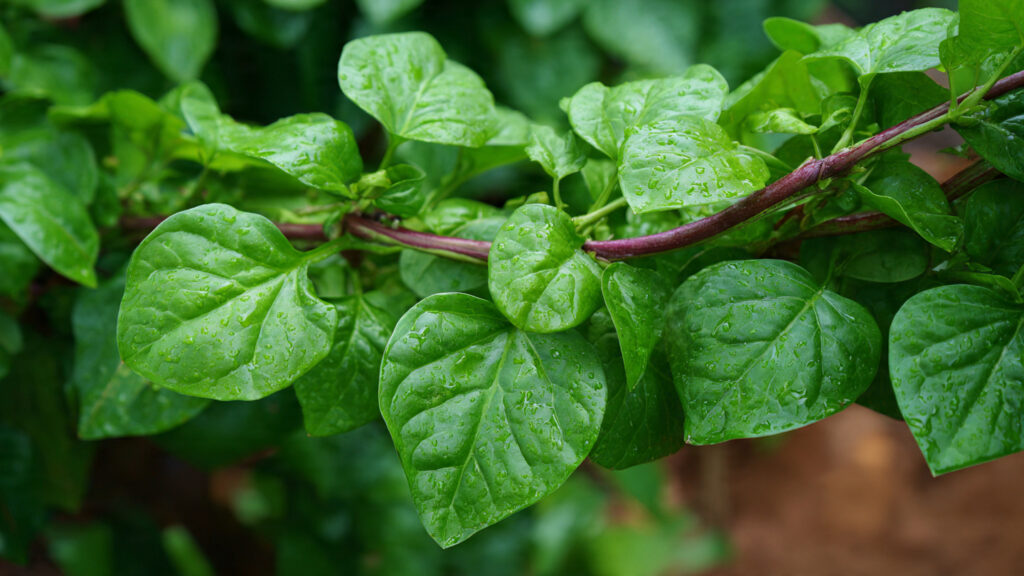
Malabar spinach, scientifically known as Basella alba, is a tropical vine that brings a unique combination of beauty, nutrition, and productivity to any garden. Unlike traditional spinach, Malabar spinach is heat-tolerant, drought-resistant, and continues producing tender, succulent leaves even during the hottest months. The bush type, in particular, is ideal for home gardeners looking for a compact, manageable plant that can thrive in containers, raised beds, or garden plots. If you’ve ever wondered whether you can grow Malabar spinach easily and achieve a thriving harvest, this guide will walk you through everything—from planting and care to harvesting and troubleshooting—so you can enjoy this versatile green year-round.
Understanding Malabar Spinach and Its Bush Type
Malabar spinach is a fast-growing, perennial vine native to South and Southeast Asia. Its bush-type variety, unlike the sprawling vine types, grows more compactly, making it suitable for small gardens, balconies, and container gardening. The plant produces thick, glossy leaves that are mild in flavor, slightly mucilaginous when cooked, and packed with nutrients like vitamin A, vitamin C, iron, and calcium.
Key advantages of bush-type Malabar spinach include:
- Compact growth – perfect for small spaces or container gardens.
- Heat tolerance – thrives when traditional spinach falters in hot climates.
- Continuous harvest – leaves can be picked repeatedly using cut-and-come-again techniques.
- Low maintenance – resistant to many common garden pests and diseases.
By understanding its growth habits, you can tailor your garden environment for maximum yield and health.
Choosing the Right Growing Environment
For Malabar spinach bush type to thrive, it needs the right combination of sunlight, soil, and climate.
1. Sunlight Requirements
Malabar spinach prefers full sun to partial shade. While it tolerates some shade, the best growth and leaf production occur under 6–8 hours of direct sunlight per day. In extremely hot regions, some afternoon shade can prevent leaf scorching.
2. Soil Requirements
The plant thrives in well-drained, fertile soil rich in organic matter. A sandy loam with a neutral pH (6.0–7.5) works best. Adding compost or well-rotted manure before planting improves soil fertility, moisture retention, and leaf texture.
3. Temperature and Humidity
Being tropical in origin, Malabar spinach thrives in warm conditions, ideally 70–95°F (21–35°C). The bush type tolerates humidity well and is drought-resistant once established. However, growth may slow in cooler temperatures below 60°F (15°C).
Planting Malabar Spinach Bush Type
You can propagate Malabar spinach using seeds, cuttings, or transplants. Each method has its advantages depending on your gardening style.
1. Planting From Seeds
- Timing: Sow seeds after the last frost in spring, when the soil is warm.
- Preparation: Soak seeds in water for 24 hours before planting to speed up germination.
- Planting: Sow seeds ½ inch deep and space them 12–18 inches apart. Keep the soil moist until seedlings emerge in 10–14 days.
2. Growing From Cuttings
Bush-type Malabar spinach roots easily from stem cuttings. Simply take a 6–8 inch healthy stem, remove the lower leaves, and plant it directly in moist soil. Roots typically develop within 2–3 weeks, offering a faster alternative to seeds.
3. Transplants
Nursery-grown transplants provide a head start on the season. Plant them in well-prepared soil, water thoroughly, and mulch to retain moisture.
Watering and Fertilizing for Optimal Growth
Though drought-tolerant, Malabar spinach performs best with consistent moisture. Deep watering encourages strong roots and tender leaves. Avoid overwatering, as soggy soil can cause root rot.
Fertilizing Tips
Bush-type Malabar spinach responds well to light feeding:
- Apply balanced, slow-release fertilizer at planting.
- Supplement with liquid compost or seaweed extract every 3–4 weeks to boost leaf growth.
- Avoid excessive nitrogen, which may produce lush leaves but reduce flavor and resilience.
Supporting Growth and Pruning
Even though bush-type Malabar spinach is compact, occasional pruning helps maintain shape and encourages fuller growth.
1. Pruning Techniques
- Pinch back the tips of young plants to promote bushier growth.
- Remove yellowing or damaged leaves to prevent disease.
2. Trellising Optional
Unlike vining types, bush-type Malabar spinach does not require trellises, but a small support can help in containers or windy areas.
➡️ How to Grow Malabar Spinach from Cuttings for Fast, Easy Greens
➡️ How to Grow Super Delicious Cabbage at Home Without a Garden
➡️ How to Grow Bean Sprouts at Home in Plastic Bottles Easily (Step‑by‑Step Guide)
➡️ Why is Your Lemon Tree Blooming in the Heart of Winter?
➡️ Why Should Your Garden Have a Dedicated Pollinator Highway?
➡️ Why Do Your Fruit Trees Need a Winter Wash to Thrive in Spring?
➡️ How Can Rice Water Transform Your Fruits into Sweeter Delights?
➡️ Jumpstart Your Winter Garden: Seed Starting Under Lights
Harvesting Malabar Spinach
One of the biggest advantages of bush-type Malabar spinach is its cut-and-come-again harvest method.
1. When to Harvest
Start harvesting leaves when plants reach 6–8 inches tall. The leaves are tender and flavorful at this stage.
2. How to Harvest
- Use sharp scissors or garden shears to cut outer leaves first, leaving the central growing tips intact.
- Avoid harvesting more than one-third of the plant at a time. Overharvesting can stress the plant and slow regrowth.
3. Frequency
With proper care, you can harvest every 2–3 weeks, providing a continuous supply of fresh greens throughout the season.
Pests and Disease Management
Bush-type Malabar spinach is generally hardy, but monitoring is important:
- Aphids and spider mites may appear on young leaves. Spray with mild insecticidal soap or water to dislodge them.
- Leaf spot or mildew can occur in overly damp conditions. Ensure good spacing, remove affected leaves, and avoid overhead watering.
- Slugs and snails may nibble tender leaves. Handpick them or use natural deterrents like diatomaceous earth.
Companion Planting and Garden Benefits
Malabar spinach thrives with compatible companions:
- Tomatoes and peppers – enjoy similar sunlight and water needs.
- Basil and parsley – can deter pests naturally.
- Corn and beans – taller plants provide partial shade and microclimate benefits.
Beyond companion planting, bush-type Malabar spinach contributes to biodiversity by attracting pollinators and beneficial insects.
Storage and Culinary Uses
Malabar spinach leaves are highly versatile:
- Fresh use: Add to salads, sandwiches, or smoothies.
- Cooking: Use in soups, stir-fries, or curries; leaves hold their texture well under heat.
- Freezing: Blanch leaves for 2–3 minutes, cool in ice water, then freeze for up to 6 months.
- Drying: Dehydrate for powders or teas.
Because of its mild flavor and nutritional content, Malabar spinach is ideal for families seeking nutrient-dense greens that can be used in diverse dishes.
Extending the Growing Season
To maximize yields:
- Succession planting: Sow seeds or start cuttings every 3–4 weeks to ensure continuous harvest.
- Container gardening: Move pots to sheltered locations during cool weather to extend the growing season.
- Mulching: Helps retain moisture and moderate soil temperature.
Troubleshooting Common Challenges
Even though bush-type Malabar spinach is easy to grow, gardeners may encounter occasional issues:
- Slow growth: Often due to cold soil, insufficient sunlight, or nutrient-poor soil. Improve warmth, light exposure, and fertilization.
- Leaf bitterness: Over-mature leaves may become slightly mucilaginous or bitter. Harvest young leaves regularly.
- Leggy plants: Prune tips and provide moderate watering to encourage bushier growth.
Conclusion: Thriving Malabar Spinach Made Simple
Bush-type Malabar spinach is an excellent addition to any garden, offering continuous, nutritious greens with minimal maintenance. Its heat tolerance, compact growth habit, and easy propagation make it a favorite for gardeners seeking reliable and productive crops. By providing proper sunlight, soil, water, and pruning, and by practicing cut-and-come-again harvesting, you can enjoy a thriving garden with fresh leaves from early summer through fall.
Whether grown in garden beds, raised boxes, or containers, Malabar spinach adds beauty, nutrition, and practicality to your growing space. With a little attention and the right techniques, cultivating Malabar spinach bush type is not only easy but highly rewarding—a vibrant, edible green that keeps your garden thriving and your kitchen stocked with fresh, versatile greens all season long.