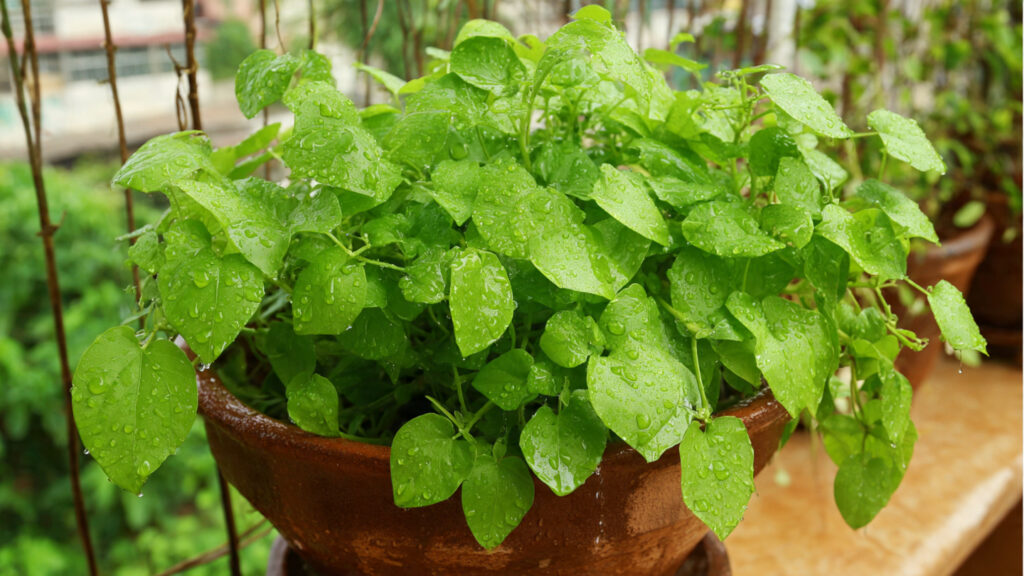
Basella, commonly known as Malabar spinach, is a fast-growing, tropical vine prized for its thick, succulent leaves and versatility in cooking. Rich in vitamins A and C, iron, calcium, and antioxidants, Basella is a nutritious addition to any diet. Unlike traditional spinach, Basella thrives in warm climates, tolerates heat, and can grow vigorously throughout the summer months. One of the most convenient ways to cultivate this vine is in a pot, making it perfect for small spaces, balconies, patios, or urban gardens. But how do you ensure success when growing Basella in containers? This guide explores the best methods to grow Basella in a pot, covering everything from pot selection to watering, fertilization, support structures, and harvesting techniques.
Understanding Basella’s Growth Habits
Basella is a climbing vine that can grow several feet in a single season under optimal conditions. Its natural habit involves sprawling or climbing on trellises, fences, or other structures. Understanding its growth pattern is crucial for container cultivation:
- Vine length: In a pot, Basella can reach 6–10 feet with proper support.
- Leaf characteristics: The leaves are thick, glossy, and succulent, making them excellent for stir-fries, soups, and salads.
- Tropical preference: Basella thrives in warm temperatures (70–95°F) and does not tolerate frost.
Because of its climbing nature, providing vertical space and a stable support system is essential for healthy, productive growth in containers.
Choosing the Right Pot
Selecting the proper container is the first step toward successful pot cultivation:
- Size: Use a 12–16 inch deep pot for a single Basella plant. Larger containers (16–20 inches) can accommodate multiple plants and support robust growth.
- Width: Basella requires space for root expansion, so choose a pot with at least 12–18 inches in diameter.
- Material: Plastic, ceramic, or terracotta pots are all suitable. Plastic retains moisture better, which is advantageous for this water-loving plant.
- Drainage: Ensure multiple drainage holes to prevent waterlogging, which can lead to root rot.
A sufficiently large and well-draining pot allows Basella’s roots to expand and provides a stable foundation for its climbing vines.
Soil Requirements for Container Basella
Healthy soil is critical for Basella’s growth:
- Texture: Use a lightweight, well-draining potting mix to prevent waterlogging.
- Fertility: Incorporate compost or aged manure to provide essential nutrients for leafy growth.
- pH: Basella prefers slightly acidic to neutral soil, with a pH of 6.0–7.0.
- Amendments: Add perlite or coarse sand to improve aeration and drainage.
A nutrient-rich, well-draining soil mix ensures strong root development and supports rapid vine growth.
Planting Basella in Pots
You can start Basella from seeds or cuttings:
- From seeds:
- Soak seeds for 24 hours to improve germination.
- Sow seeds ¼ inch deep in moist potting soil.
- Thin seedlings to 6–8 inches apart once they reach 2–3 inches tall.
- From cuttings:
- Take a healthy vine cutting with at least 3–4 nodes.
- Place the cutting in water or directly into moist soil.
- Roots develop in 2–3 weeks, after which the cutting can be transferred to a pot.
Starting from cuttings is faster and allows for an early harvest, while seeds provide more options for selecting robust varieties.
Providing Support for Your Basella Vine
Basella’s climbing nature requires vertical support:
- Trellises or stakes: Insert a bamboo stick or a trellis into the pot to guide vine growth.
- String or netting: Lightweight string or netting can create additional vertical space.
- Regular training: Gently tie vines to the support to prevent them from sprawling over the ground.
Vertical growth maximizes space in a container and ensures better airflow around the leaves, reducing the risk of disease.
Watering and Moisture Management
Basella thrives in consistently moist soil, but overwatering can be harmful:
- Watering frequency: Check soil daily; water when the top inch feels dry. In hot weather, watering may be required daily.
- Method: Water at the base to keep leaves dry and reduce fungal issues.
- Mulching: Apply organic mulch like straw or leaf litter to retain soil moisture and regulate temperature.
Consistent moisture promotes vigorous growth, lush leaves, and abundant harvests.
Fertilizing Basella in Pots
Container-grown Basella requires regular nutrition due to limited soil volume:
- Organic fertilizers: Use compost, worm castings, or well-rotted manure to provide balanced nutrients.
- Liquid feeding: Apply liquid seaweed extract or fish emulsion every 2–3 weeks for rapid nutrient absorption.
- Nitrogen-rich focus: Basella is a leafy green, so it benefits from a higher nitrogen supply to promote dense foliage.
Regular feeding ensures your potted Basella remains productive and maintains its rich green color and flavor.
➡️ How to Grow Malabar Spinach from Cuttings for Fast, Easy Greens
➡️ How to Grow Super Delicious Cabbage at Home Without a Garden
➡️ How to Grow Bean Sprouts at Home in Plastic Bottles Easily (Step‑by‑Step Guide)
➡️ Why is Your Lemon Tree Blooming in the Heart of Winter?
➡️ Why Should Your Garden Have a Dedicated Pollinator Highway?
➡️ Why Do Your Fruit Trees Need a Winter Wash to Thrive in Spring?
➡️ How Can Rice Water Transform Your Fruits into Sweeter Delights?
➡️ Jumpstart Your Winter Garden: Seed Starting Under Lights
Light and Temperature Requirements
Basella thrives in warm, sunny conditions:
- Sunlight: Provide 6–8 hours of direct sunlight per day. In extremely hot climates, some afternoon shade prevents leaf scorching.
- Temperature: Optimal growth occurs between 70–95°F. Protect plants from frost, as Basella is not cold-tolerant.
- Indoor growth: If growing indoors, place the pot near a bright south-facing window or supplement with grow lights.
Adequate light ensures robust growth, vigorous vines, and nutrient-rich leaves.
Pruning and Maintenance
Pruning encourages bushier growth and prevents overcrowding:
- Pinching tips: Regularly pinch vine tips to encourage branching.
- Remove old leaves: Cut off yellowing or damaged leaves to maintain plant health.
- Check for pests: Monitor leaves for aphids, spider mites, or caterpillars. Use organic sprays like neem oil if necessary.
Routine pruning enhances airflow, reduces disease risk, and encourages continuous leaf production.
Harvesting Basella from Pots
Basella can be harvested multiple times during the growing season:
- Early harvest: Pick young, tender leaves when vines are 6–8 inches long. Ideal for salads and soups.
- Regular harvesting: Trim 2–3 inches of vine tips weekly to encourage new growth.
- Avoid overharvesting: Leave enough foliage for photosynthesis, ensuring ongoing plant vigor.
Frequent harvesting keeps the plant productive and prevents it from becoming leggy or woody.
Common Challenges and Solutions
Growing Basella in pots is generally easy, but a few challenges may arise:
- Wilting leaves: Usually due to insufficient water or high heat. Increase watering and provide shade if necessary.
- Pests: Aphids, caterpillars, and spider mites may appear. Introduce beneficial insects or use organic sprays.
- Nutrient deficiencies: Yellowing leaves can indicate low nitrogen or other nutrients. Apply organic fertilizer to correct deficiencies.
- Root bound: If the pot becomes overcrowded, repot into a larger container to maintain healthy growth.
Addressing issues promptly ensures your potted Basella remains healthy and productive throughout the season.
Advantages of Growing Basella in Pots
Container gardening offers several benefits for Basella:
- Space efficiency: Ideal for balconies, patios, or urban gardens.
- Mobility: Move pots to optimize sunlight, temperature, and protection from harsh weather.
- Controlled environment: Easier to manage soil quality, water, and nutrients.
- Reduced weed competition: Potted plants face fewer weed problems compared to garden beds.
These advantages make pot cultivation an excellent option for gardeners of all experience levels.
Conclusion
Yes, you can successfully grow Basella in a pot, and with the right approach, it can be one of the most rewarding leafy greens to cultivate at home. Key factors include choosing the right container, providing nutrient-rich soil, ensuring adequate sunlight, supporting its climbing growth, watering consistently, and maintaining regular fertilization. By following these best practices, your potted Basella will produce lush, succulent leaves throughout the growing season, offering a continuous supply of nutritious greens for your kitchen.
Whether you are a seasoned gardener or a beginner with limited space, container-grown Basella provides a convenient, productive, and satisfying way to enjoy fresh, homegrown leafy greens.