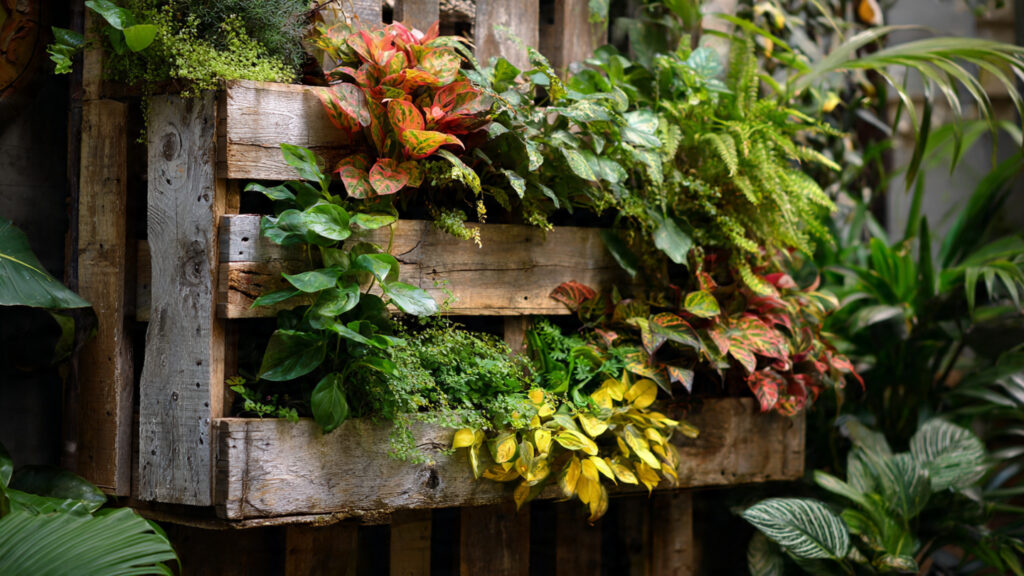
In recent years, vertical gardening has skyrocketed in popularity among urban dwellers, apartment owners, and home gardeners seeking innovative ways to maximize limited space. One of the most creative and sustainable ways to achieve this is by transforming simple wooden pallets into stunning vertical gardens. Pallets, often discarded or inexpensive, provide a practical structure for growing a variety of plants, from herbs and vegetables to colorful flowers and succulents. Beyond their functional benefits, pallet gardens add a unique aesthetic charm to any indoor or outdoor space. But can you really turn a basic pallet into a flourishing vertical garden? Absolutely! With careful planning, creativity, and a bit of hands-on work, your ordinary pallet can become a vertical oasis.
Why Choose Pallets for Vertical Gardening?
Wooden pallets are more than just shipping tools—they’re versatile, eco-friendly, and ideal for vertical gardening. Here’s why they make excellent garden structures:
- Cost-Effective and Readily Available
Pallets are often free from warehouses, garden centers, or online marketplaces. Recycling them for gardening reduces waste while keeping your budget low. - Durable and Sturdy
High-quality pallets can support multiple plants, soil, and water weight, making them reliable frameworks for vertical arrangements. - Space-Saving
Vertical gardens allow you to cultivate numerous plants in a compact area, making them perfect for balconies, patios, or small yards. - Customizable Design
Pallets can be painted, stained, or decorated to match your home decor. You can adjust the number of shelves, pockets, or planting spaces to suit your aesthetic and practical needs.
Choosing the Right Pallet
Not all pallets are created equal, and selecting the right one is crucial for a successful vertical garden. Consider the following:
- Type of Wood: Avoid chemically treated pallets, as the chemicals can leach into your soil. Look for pallets stamped with “HT” (heat-treated), which are safe for gardening.
- Condition: Choose a pallet free from cracks, mold, or splinters. Ensure it’s sturdy enough to hold soil and plants.
- Size: Larger pallets can accommodate more plants but may be heavier to move. Smaller pallets are easier to handle but require careful design to optimize planting space.
Once you’ve chosen a suitable pallet, give it a light sanding to remove rough edges and consider applying a non-toxic wood sealant for added durability, especially if it will be outdoors.
Preparing the Pallet for Planting
Before adding soil and plants, you need to prepare your pallet properly:
- Line the Back and Bottom
To prevent soil from spilling out, line the back and bottom of the pallet with landscape fabric, burlap, or plastic sheeting with drainage holes. Staple or tack it securely. - Choose Planting Sections
Pallets typically have narrow slats, which can be converted into pockets or shelves. Create deeper sections for larger plants or shallow sections for smaller succulents or herbs. - Install a Base
If the pallet is leaning against a wall, consider placing a tray or shallow container at the bottom to catch excess water and protect your floor or patio.
Tip: If using the pallet outdoors, slightly angle it backward against a wall for stability and better sunlight exposure.
Selecting Plants for Your Pallet Garden
The success of a vertical pallet garden largely depends on your plant choices. For a thriving display, consider:
- Herbs and Edibles
Basil, parsley, thyme, mint, and small lettuces grow beautifully in vertical spaces. They are lightweight and provide a fresh harvest for your kitchen. - Succulents and Cacti
Succulents, such as Echeveria, Sedum, and Crassula, are low-maintenance, drought-resistant, and perfect for decorative vertical arrangements. - Flowers
Colorful blooms like petunias, marigolds, pansies, or fuchsias can create a visually stunning focal point for your pallet garden. - Trailing Plants
Plants like ivy, creeping Jenny, or string-of-pearls create cascading layers that enhance the vertical aesthetic.
Mixing different heights, textures, and colors will result in a dynamic, attractive garden that draws attention.
Planting Your Pallet Garden
Once the pallet is prepared and you’ve chosen your plants, it’s time to plant:
- Add Soil
Use a lightweight potting mix suitable for your plant type. Avoid heavy garden soil, as pallets need lighter soil to remain structurally stable. - Plant Strategically
Place taller plants toward the top and trailing plants along the edges. This ensures sunlight reaches all plants while creating depth and visual interest. - Secure the Plants
For smaller plants or succulents, tuck them into the slats or secure them with moss or additional landscape fabric to prevent them from falling. - Water Carefully
Initially, water gently to allow the soil to settle around the roots. Vertical gardens dry out faster than traditional gardens, so monitor moisture regularly.
Tip: Consider installing a drip irrigation system or a simple watering can with a narrow spout to reach every level efficiently.
Caring for Your Vertical Pallet Garden
Vertical pallet gardens require ongoing care to maintain their beauty and productivity:
- Sunlight: Most vegetables and flowers need 4–6 hours of sunlight. Succulents thrive in bright indirect light. Adjust the pallet’s position accordingly.
- Watering: Vertical gardens tend to dry out faster, especially outdoors. Water from the top, allowing excess to trickle down, and monitor the soil moisture frequently.
- Pruning and Harvesting: Regularly trim dead leaves and flowers to encourage new growth and maintain a neat appearance. Harvest herbs to promote continuous growth.
- Fertilization: Use liquid fertilizer diluted to half strength every 2–4 weeks for flowering and edible plants. Succulents need less frequent feeding.
Creative Design Ideas
Vertical pallet gardens are versatile and allow for endless creative designs:
- Themed Gardens
Create a herb-themed pallet for your kitchen, a succulent-themed display for indoors, or a flower-focused vertical garden for your balcony. - Color Gradients
Arrange plants based on their leaf and flower colors, creating a gradient effect from top to bottom. - Mixed Materials
Add decorative pebbles, moss, or driftwood accents to enhance texture and visual appeal. - Indoor vs. Outdoor Design
For indoors, keep smaller, low-light plants like ferns, pothos, and succulents. Outdoors, combine herbs, vegetables, and flowers for a lively and functional display.
Benefits of Pallet Vertical Gardens
Creating a pallet vertical garden is not only aesthetically pleasing but also practical:
- Space Efficiency: Perfect for small patios, balconies, and urban homes.
- Sustainability: Repurposing pallets reduces waste and promotes eco-friendly gardening.
- Accessibility: Vertical gardens are easy to maintain, reducing bending and reaching.
- Aesthetic Appeal: Adds a living, green element that can transform dull walls or fences into a garden centerpiece.
Final Thoughts
Transforming a simple pallet into a stunning vertical garden is not only feasible—it’s a rewarding project that combines creativity, sustainability, and gardening pleasure. With the right pallet, soil, plants, and care, you can create a vertical oasis that enhances your living space while providing fresh herbs, vibrant flowers, or unique decorative greenery.
Whether you are a beginner gardener looking for a manageable project or an experienced plant enthusiast seeking innovative ways to maximize space, pallet vertical gardens offer endless possibilities. They are visually striking, environmentally friendly, and provide the joy of growing your own lush, vertical paradise at home.
➡️ How to Grow Malabar Spinach from Cuttings for Fast, Easy Greens
➡️ How to Grow Super Delicious Cabbage at Home Without a Garden
➡️ How to Grow Bean Sprouts at Home in Plastic Bottles Easily (Step‑by‑Step Guide)
➡️ Why is Your Lemon Tree Blooming in the Heart of Winter?
➡️ Why Should Your Garden Have a Dedicated Pollinator Highway?
➡️ Why Do Your Fruit Trees Need a Winter Wash to Thrive in Spring?
➡️ How Can Rice Water Transform Your Fruits into Sweeter Delights?
➡️ Jumpstart Your Winter Garden: Seed Starting Under Lights
So, the next time you spot an unused wooden pallet, don’t discard it—imagine the vibrant vertical garden it could become. With a little effort and creativity, that simple pallet can truly transform your home into a green haven.