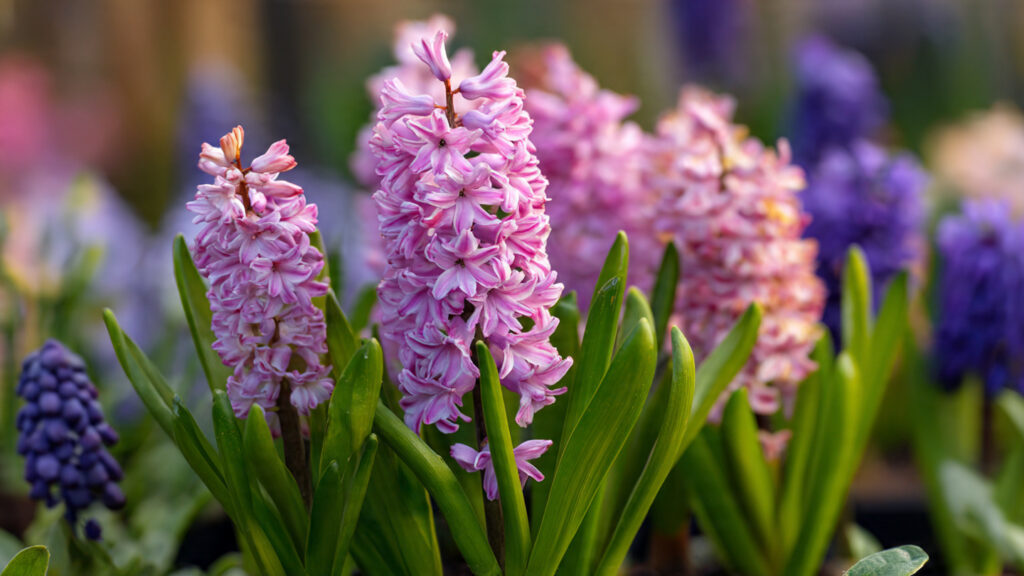
Hyacinths are among the most fragrant and visually striking spring bulbs. Their vibrant clusters of flowers and sweet scent make them a favorite in gardens, containers, and indoor arrangements. However, even experienced gardeners sometimes struggle to get consistent blooms year after year. Many issues arise not from the bulbs themselves, but from planting mistakes that prevent hyacinths from thriving.
This guide will highlight common hyacinth planting mistakes and provide practical tips on how to avoid them, ensuring your garden bursts with color and fragrance each season.
Mistake 1: Planting Bulbs at the Wrong Depth
One of the most common mistakes is planting hyacinth bulbs too shallow or too deep. Incorrect planting depth can result in poor flowering, weak stems, or even bulb rot.
- Too shallow: Bulbs exposed above the soil may dry out, become frost-damaged, or fail to anchor properly.
- Too deep: Bulbs may struggle to emerge or take longer to flower.
Solution: Plant hyacinth bulbs about 6–8 inches deep, with the pointed end facing upward. A simple rule is to plant the bulb three times as deep as its height. This ensures proper root development and strong, upright flower spikes.
Mistake 2: Ignoring Soil Drainage
Hyacinths require well-draining soil. Planting bulbs in heavy, clay-rich soil or areas prone to standing water often leads to rot or fungal disease.
- Signs of poor drainage: Mushy bulbs, yellowing leaves, or no flowering at all.
Solution: Amend soil with organic matter like compost, leaf mold, or coarse sand to improve drainage. Alternatively, use raised beds or plant in containers with drainage holes to prevent waterlogging.
Pro Tip: Avoid overwatering in fall and winter; hyacinths prefer slightly dry conditions when dormant.
Mistake 3: Planting in Low-Light Locations
While hyacinths are hardy, they thrive in full sun or partial shade. Planting them in deep shade reduces flowering and leads to weak, spindly stems.
Solution: Choose a spot with at least 4–6 hours of sunlight daily. Morning sun is ideal, as it helps dry leaves and reduces fungal risks.
Mistake 4: Planting Damaged or Diseased Bulbs
Healthy bulbs are the foundation of a blooming garden. Bulbs that are soft, moldy, or shriveled are unlikely to produce flowers.
Solution: Inspect bulbs before planting:
- Firm texture
- Free of mold or spots
- No soft or rotten areas
Pro Tip: Store bulbs in a cool, dry place until planting to prevent premature sprouting or rot.
Mistake 5: Planting Bulbs Too Close Together
Crowding hyacinth bulbs may seem like a way to maximize blooms, but it often leads to competition for nutrients, poor airflow, and disease spread.
Solution: Space bulbs 4–6 inches apart, allowing enough room for foliage and flowers to grow. Proper spacing ensures stronger plants and reduces the risk of fungal infections.
Mistake 6: Neglecting Fertilization
Hyacinths need nutrient-rich soil to produce large, vibrant flowers. Failing to fertilize can result in smaller blooms or delayed flowering.
➡️ How to Grow Malabar Spinach from Cuttings for Fast, Easy Greens
➡️ How to Grow Super Delicious Cabbage at Home Without a Garden
➡️ How to Grow Bean Sprouts at Home in Plastic Bottles Easily (Step‑by‑Step Guide)
➡️ Why is Your Lemon Tree Blooming in the Heart of Winter?
➡️ Why Should Your Garden Have a Dedicated Pollinator Highway?
➡️ Why Do Your Fruit Trees Need a Winter Wash to Thrive in Spring?
➡️ How Can Rice Water Transform Your Fruits into Sweeter Delights?
➡️ Jumpstart Your Winter Garden: Seed Starting Under Lights
Solution:
- Mix a slow-release bulb fertilizer or bone meal into the soil at planting.
- Apply a balanced liquid fertilizer when shoots emerge in spring.
- Avoid high-nitrogen fertilizers, which promote leaf growth at the expense of flowers.
Reality Check: Regular fertilization after flowering helps bulbs store energy for the next season.
Mistake 7: Removing Foliage Too Early
After flowering, many gardeners make the mistake of cutting hyacinth leaves immediately. Leaves are essential for photosynthesis, which replenishes the bulb’s energy for next year’s blooms.
Solution:
- Allow leaves to yellow and wither naturally before removing them.
- Avoid tying or bending leaves during this period, as damage can reduce next year’s flowers.
Pro Tip: If space is limited, carefully fold or braid leaves rather than cutting them too soon.
Mistake 8: Ignoring Temperature Requirements
Hyacinths need a cold period to bloom. Planting in warm climates without a chilling period can prevent flowering.
Solution:
- In mild or tropical climates, pre-chill bulbs in the refrigerator for 8–12 weeks before planting.
- Avoid storing bulbs near ripening fruits, as ethylene gas can damage them.
Reality Check: Timing and temperature control are critical for consistent blooms.
Mistake 9: Failing to Control Pests and Diseases
Hyacinths can fall prey to pests like bulb mites, aphids, or rodents. Fungal infections such as basal rot or gray mold also affect growth.
Solution:
- Use clean, healthy bulbs and well-draining soil.
- Apply organic pest controls like neem oil or insecticidal soap if needed.
- Protect bulbs with wire mesh in rodent-prone areas.
Pro Tip: Inspect bulbs before storage and after digging them up in summer to catch early signs of pests.
Mistake 10: Replanting Without Rest Period
Some gardeners dig up hyacinths immediately after flowering and replant them each year. This can stress the bulbs and reduce flowering.
Solution:
- Allow bulbs to remain in the ground until foliage dies back naturally.
- Lift and store bulbs only if you need to rotate or divide them.
- Store in a cool, dry, and ventilated area over summer if needed.
Reality Check: Hyacinths thrive when given proper rest and energy accumulation between seasons.
Bonus Tips for a Blooming Garden
- Companion Planting: Plant hyacinths with tulips, daffodils, or crocuses for continuous spring color.
- Container Gardening: Hyacinths grow well in pots, making them ideal for patios, balconies, or indoor displays.
- Succession Planting: Plant bulbs in staggered intervals to extend your blooming season.
- Watering: Keep soil lightly moist during growth, but reduce water when leaves die back.
Pro Tip: Use mulch around bulbs to maintain soil moisture and temperature while reducing weeds.
Conclusion
Hyacinths are one of the most rewarding spring bulbs, offering vibrant color and heavenly fragrance. However, consistent blooms require careful attention to planting practices. By avoiding these common mistakes—such as planting at the wrong depth, ignoring soil drainage, cutting foliage too early, or planting crowded bulbs—you can create a thriving, fragrant hyacinth garden year after year.
With proper planning, attention to detail, and a little patience, your garden will burst with hyacinth blooms, impressing both friends and neighbors. Remember, healthy bulbs, well-prepared soil, and mindful care are the keys to unlocking the full beauty of this iconic spring flower.