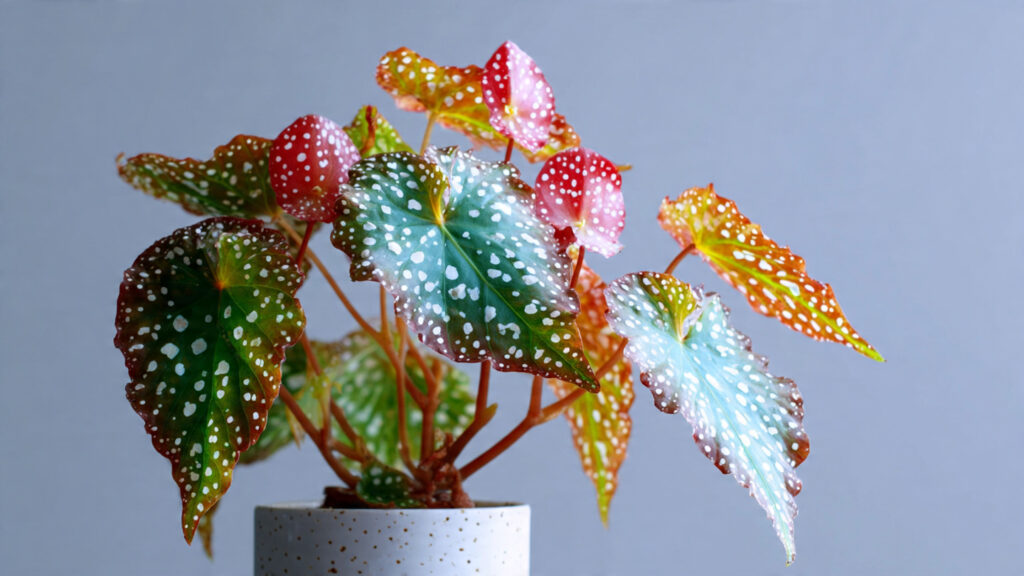
The Begonia maculata, commonly known as the Polka Dot Begonia, is a striking houseplant known for its dramatic, asymmetrical leaves adorned with silver-white spots and vibrant red undersides. Its unique foliage, combined with elegant pink flowers, makes it a favorite among indoor plant enthusiasts. While it may look exotic, growing Begonia maculata indoors is achievable—even for beginners—if you provide the right care, environment, and attention.
This comprehensive guide will walk you step by step through the process of successfully cultivating a healthy, thriving Begonia maculata indoors, covering everything from choosing the right plant and potting medium to watering, lighting, and pest management.
Understanding Begonia Maculata
Begonia maculata is a tropical plant native to the rainforests of Brazil. It is a perennial plant in its natural habitat, but indoors, it is typically treated as a decorative houseplant. Its standout features include:
- Leaves: Dark green, wing-shaped leaves with silver spots and deep red undersides.
- Flowers: Elegant clusters of pink or white flowers that bloom intermittently.
- Growth Habit: Upright and bushy, can reach up to 3–4 feet indoors under optimal conditions.
Understanding its natural environment is crucial: Begonia maculata thrives in warm, humid, bright conditions and is sensitive to temperature extremes, drafts, and overwatering.
Selecting a Healthy Plant
Choosing the right plant is the first step for beginners. A healthy Begonia maculata will grow vigorously and resist common indoor plant issues.
What to Look For:
- Vibrant Leaves: Dark green leaves with bright silver spots and healthy red undersides.
- No Signs of Pests: Avoid plants with aphids, spider mites, or mealybugs.
- Strong Stems: Look for upright, sturdy stems rather than leggy, weak growth.
- Compact Growth: Beginner-friendly plants are easier to manage when they are not overly stretched.
Purchasing from reputable nurseries or plant shops increases the likelihood of getting a disease-free and robust Begonia maculata.
Potting and Soil Requirements
Begonia maculata prefers well-draining, nutrient-rich soil to prevent root rot and support healthy foliage.
Choosing the Right Pot:
- Drainage: Always use pots with drainage holes to prevent water accumulation.
- Size: Start with a slightly larger pot than the root ball to encourage growth but avoid oversized containers, which can hold excess moisture.
Ideal Soil Mix:
- Light and Airy: Use a mix of peat moss, perlite, and potting soil to allow proper drainage and aeration.
- Slight Acidity: Soil pH should range between 5.5–6.5 for optimal nutrient absorption.
- Optional Additives: Adding orchid bark or coarse sand can further improve drainage.
A proper soil mix ensures roots remain healthy, reducing the risk of fungal diseases and promoting vigorous growth.
Light Requirements
Light is a key factor in the successful growth of Begonia maculata indoors.
Ideal Lighting:
- Bright, Indirect Light: Place the plant near east- or north-facing windows. Direct sunlight can scorch the delicate leaves.
- Supplemental Lighting: If natural light is insufficient, especially during winter, use fluorescent or LED grow lights for 12–14 hours daily.
- Rotate Regularly: Rotate the plant every few weeks to ensure even growth and prevent leaning toward the light source.
Proper lighting encourages vibrant foliage, compact growth, and encourages flowering.
Watering and Humidity
Begonia maculata thrives in consistently moist soil but is highly susceptible to root rot if overwatered.
Watering Guidelines:
- Check Soil Moisture: Water when the top 1–2 inches of soil feel dry.
- Watering Method: Water at the base rather than overhead to protect leaves from fungal infections.
- Avoid Standing Water: Ensure excess water drains from the pot tray.
Humidity Needs:
- Begonia maculata prefers humidity levels above 50%.
- Increase humidity with a humidifier, pebble tray, or grouping plants together.
- Misting leaves lightly can help, but avoid constant wetting, which can promote fungal growth.
Maintaining the right balance of moisture and humidity is critical for healthy leaves and strong stems.
Fertilization for Indoor Growth
Begonia maculata benefits from regular feeding to support vibrant foliage and flowering.
Fertilizer Tips:
- Balanced Fertilizer: Use a water-soluble fertilizer with equal ratios of nitrogen, phosphorus, and potassium (NPK 10-10-10 or similar).
- Frequency: Feed every 2–4 weeks during the active growing season (spring and summer).
- Reduce in Winter: Cut back fertilization during dormancy in fall and winter, as growth slows.
Consistent feeding promotes robust leaves and encourages the pink blooms that make this plant so attractive.
Pruning and Shaping
Pruning is important for encouraging bushier growth and preventing legginess.
➡️ How to Grow Malabar Spinach from Cuttings for Fast, Easy Greens
➡️ How to Grow Super Delicious Cabbage at Home Without a Garden
➡️ How to Grow Bean Sprouts at Home in Plastic Bottles Easily (Step‑by‑Step Guide)
➡️ Why is Your Lemon Tree Blooming in the Heart of Winter?
➡️ Why Should Your Garden Have a Dedicated Pollinator Highway?
➡️ Why Do Your Fruit Trees Need a Winter Wash to Thrive in Spring?
➡️ How Can Rice Water Transform Your Fruits into Sweeter Delights?
➡️ Jumpstart Your Winter Garden: Seed Starting Under Lights
How to Prune:
- Pinch Back Tips: Regularly pinch the growing tips to stimulate branching.
- Remove Dead Leaves: Cut away yellowing, damaged, or diseased leaves.
- Shape the Plant: Trim selectively to maintain a balanced and attractive form.
Pruning not only improves aesthetics but also strengthens stems and supports overall plant health.
Propagation Techniques
Begonia maculata can be propagated easily from stem cuttings, allowing you to expand your indoor garden.
Stem Cutting Propagation:
- Take a 4–6 inch cutting with at least 2–3 nodes.
- Remove lower leaves and place the cutting in water or moist potting soil.
- Keep in bright, indirect light and maintain high humidity.
- Roots will develop in 2–3 weeks, after which the new plant can be potted.
Propagation is an effective way to produce multiple plants from one mature specimen while maintaining the characteristic spotted leaves.
Pest and Disease Management
Begonia maculata is generally resilient, but it can fall prey to indoor pests and fungal infections.
Common Pests:
- Aphids, spider mites, and mealybugs may appear on leaves.
- Treat infestations promptly with insecticidal soap or neem oil.
Disease Prevention:
- Avoid overwatering to prevent root rot.
- Ensure proper airflow and avoid wetting leaves excessively to prevent powdery mildew.
- Use sterile tools when pruning to prevent the spread of disease.
Regular inspection and preventive measures keep your plant healthy and free from leaf curl or damage.
Environmental Tips for Beginners
Begonia maculata thrives best in environments that replicate its tropical origins:
- Consistent Temperature: Maintain indoor temperatures between 65–75°F (18–24°C). Avoid drafts and sudden temperature fluctuations.
- Avoid Stress: Sudden changes in lighting, watering, or pot location can cause leaf drop or curling.
- Air Circulation: Gentle airflow helps prevent fungal issues but avoid placing plants in direct drafts.
Creating a stable and consistent environment encourages lush foliage and vibrant growth.
Common Problems and Solutions
Leaf Curl or Browning:
- Cause: Overwatering, heat stress, or low humidity.
- Solution: Adjust watering schedule, increase humidity, and relocate plant if exposed to intense sun.
Yellow Leaves:
- Cause: Nutrient deficiency or root rot.
- Solution: Fertilize appropriately and check soil drainage.
Leggy Growth:
- Cause: Insufficient light.
- Solution: Move plant to brighter location or use supplemental grow lights.
Early identification and corrective measures ensure the plant remains healthy and visually stunning.
Benefits of Growing Begonia Maculata Indoors
- Decorative Appeal: Unique spotted leaves and pink blooms make it a showpiece.
- Air Quality: Like many houseplants, it can help improve indoor air quality.
- Low Maintenance: Once environmental needs are met, it grows steadily with minimal intervention.
- Propagation Opportunities: Easy to multiply through cuttings for expanding your indoor garden.
With proper care, Begonia maculata can be a centerpiece plant that adds elegance and vibrancy to your home year-round.
Final Thoughts
Begonia maculata is an extraordinary indoor plant that brings tropical flair to any space. While beginners might find its care intimidating at first, understanding its environmental preferences, watering needs, lighting requirements, and pruning techniques makes successful indoor cultivation straightforward.
Key takeaways for beginners:
- Provide bright, indirect light and maintain stable indoor temperatures.
- Use well-draining soil and water consistently without overwatering.
- Maintain humidity levels above 50% to encourage healthy leaves.
- Fertilize regularly during the growing season and prune to encourage bushy growth.
- Monitor for pests and diseases and propagate new plants through stem cuttings.
By following these methods, even novice indoor gardeners can grow a lush, beautiful Begonia maculata, enjoying its dramatic spotted leaves and delicate pink blooms as a lasting addition to their indoor plant collection.