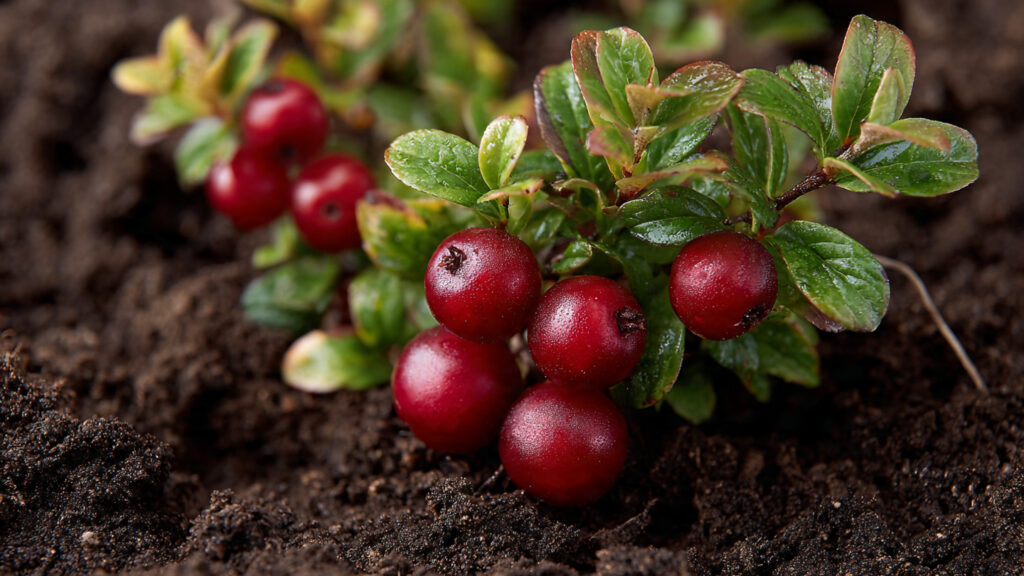
Lingonberries (Vaccinium vitis-idaea) are small, vibrant, evergreen shrubs cherished for their tart, red berries and ornamental foliage. Originating in Scandinavia, Russia, and parts of North America, these hardy plants thrive in acidic, well-draining soils that replicate their natural forest-floor habitat. While lingonberries are relatively easy to grow, the key to success lies in providing the perfect soil mix.
Whether you are planting a small backyard patch or designing a container garden, understanding how to create the ideal soil environment is essential for vigorous growth and abundant fruit production. This comprehensive guide will walk you through every aspect of building the perfect soil mix for lingonberries.
Why Soil Mix Matters for Lingonberries
Lingonberries are ericaceous plants, meaning they naturally grow in acidic soils with a pH between 4.5 and 5.5. Unlike many garden plants, they do not tolerate alkaline or heavy clay soils. The right soil mix:
- Provides proper drainage to prevent root rot
- Maintains adequate moisture without waterlogging
- Supplies essential nutrients gradually
- Encourages strong root establishment
- Supports flowering and berry development
Without an appropriate soil mix, even healthy plants may struggle, producing fewer berries and exhibiting stunted growth.
Step 1: Understanding Lingonberry Soil Requirements
Before creating a soil mix, you must understand the natural growing conditions of lingonberries:
1. Acidic pH
Lingonberries thrive in soils that are acidic (pH 4.5–5.5). Neutral or alkaline soils can inhibit nutrient uptake, leading to yellowing leaves and poor berry production.
2. Well-Draining
Lingonberries grow in sandy, forest-floor soils with good aeration. Heavy clay soils can suffocate roots and promote fungal diseases.
3. Organic-Rich
A soil mix enriched with organic matter mimics the natural humus-rich layer of their native environment, retaining moisture while still draining excess water.
4. Loose Texture
A loose, crumbly soil structure allows roots to expand easily, ensuring healthy root systems and strong plant growth.
Step 2: Choosing the Right Components
Creating the perfect soil mix involves combining multiple components for structure, nutrition, and acidity.
1. Peat Moss
Peat moss is a staple for ericaceous plants. It:
- Increases soil acidity
- Improves water retention without waterlogging
- Adds organic matter
Use about 40–50% peat moss in your mix.
2. Pine Bark
Pine bark improves drainage and adds natural acidity. Coarse, shredded pine bark also creates air pockets in the soil, preventing compaction.
- Use 20–30% pine bark
- Ensure pieces are medium-sized (¼–½ inch)
3. Perlite or Sand
Adding perlite or coarse sand enhances aeration and drainage.
- Use 10–20% perlite or sand
- Helps prevent root rot in container-grown lingonberries
4. Compost or Well-Rotted Organic Matter
Compost supplies essential nutrients gradually and improves soil texture.
➡️ How to Grow Malabar Spinach from Cuttings for Fast, Easy Greens
➡️ How to Grow Super Delicious Cabbage at Home Without a Garden
➡️ How to Grow Bean Sprouts at Home in Plastic Bottles Easily (Step‑by‑Step Guide)
➡️ Why is Your Lemon Tree Blooming in the Heart of Winter?
➡️ Why Should Your Garden Have a Dedicated Pollinator Highway?
➡️ Why Do Your Fruit Trees Need a Winter Wash to Thrive in Spring?
➡️ How Can Rice Water Transform Your Fruits into Sweeter Delights?
➡️ Jumpstart Your Winter Garden: Seed Starting Under Lights
- Use 10–20% compost
- Avoid overly rich nitrogen sources, which promote excessive leaf growth at the expense of berries
Step 3: Balancing the Mix
A well-balanced mix ensures your lingonberries receive the right combination of moisture, nutrients, and drainage.
Recommended Soil Mix Ratio:
- 40–50% Peat moss
- 20–30% Pine bark
- 10–20% Perlite or coarse sand
- 10–20% Compost
This combination provides:
- Acidic conditions for nutrient uptake
- Loose structure for root expansion
- Moisture retention without waterlogging
Step 4: Adjusting Soil Acidity
Even with peat and pine bark, you may need to adjust the pH further:
- Testing: Use a soil pH meter or test kit.
- Lowering pH: If soil is above 5.5, add elemental sulfur or aluminum sulfate.
- Monitoring: Re-test every few months, especially for container-grown plants.
Maintaining acidity is crucial for preventing nutrient deficiencies, particularly iron, which causes leaf yellowing.
Step 5: Preparing Soil for Containers vs. Ground Planting
Container Planting
- Use smaller particle sizes to avoid drainage issues.
- Ensure containers have sufficient drainage holes.
- Mulch the surface with pine needles or shredded bark to retain moisture and acidity.
In-Ground Planting
- Loosen native soil and amend with your custom soil mix.
- Create raised beds if the native soil is heavy clay.
- Incorporate at least 6–8 inches of amended soil below planting depth.
Step 6: Planting in Your Custom Soil Mix
- Dig a hole slightly larger than the root ball.
- Place your lingonberry plant in the hole, spreading roots gently.
- Backfill with your prepared soil mix, ensuring the crown is slightly above ground level.
- Water thoroughly to settle the soil.
- Apply 2–3 inches of mulch to conserve moisture and maintain acidity.
Step 7: Maintaining Soil Health
Healthy soil is the foundation for successful lingonberry cultivation. Key practices include:
1. Mulching
- Pine needles, shredded bark, or acidic mulch maintain moisture and acidity.
- Mulch also suppresses weeds that compete for nutrients.
2. Watering
- Keep soil consistently moist but not waterlogged.
- Lingonberries do not tolerate standing water, especially in cooler months.
3. Fertilizing
- Use ericaceous or acid-loving plant fertilizers.
- Apply sparingly, particularly avoiding high nitrogen fertilizers.
- Fertilize in early spring and after harvest.
4. Soil Renewal
- Replace or refresh top 2–3 inches of soil every few years in containers.
- Add fresh organic matter to maintain nutrient levels and structure.
Step 8: Common Soil-Related Problems and Solutions
Problem: Yellow Leaves
- Cause: Soil too alkaline or nutrient deficiency
- Solution: Test pH and amend with sulfur or peat moss; apply ericaceous fertilizer
Problem: Poor Berry Production
- Cause: Excess nitrogen or poor drainage
- Solution: Adjust fertilization; improve soil drainage with pine bark or perlite
Problem: Root Rot
- Cause: Waterlogged soil
- Solution: Improve drainage, avoid overwatering, consider raised beds or container planting
Step 9: Companion Plants and Soil Ecology
Lingonberries benefit from companion planting and healthy soil ecology:
- Companion plants like blueberries or heathers share acidic soil preferences.
- Avoid planting near alkaline-loving species like lilacs or gardenias.
- Encourage beneficial soil microbes with organic amendments, improving nutrient uptake and plant vigor.
Step 10: Preparing for Winter
Lingonberries are hardy, but protecting soil structure during winter ensures healthy spring growth:
- Mulch heavily with pine needles or straw to prevent freezing.
- Avoid heavy compaction by foot traffic.
- Ensure soil is well-draining to prevent ice damage to roots.
Step 11: Long-Term Soil Care
Lingonberries are perennial shrubs. Maintaining the soil environment over years is critical:
- Monitor pH annually.
- Refresh mulch to maintain acidity and moisture.
- Avoid over-fertilization, which can disrupt berry production.
- Aerate soil lightly in early spring to improve root oxygenation.
Step 12: Tips for Maximum Berry Yield
- Ensure your soil mix stays acidic and well-draining.
- Plant multiple compatible varieties for better cross-pollination.
- Provide consistent moisture without waterlogging.
- Protect soil and roots with mulch year-round.
- Monitor for pests and diseases to maintain soil and plant health.
Conclusion
Creating the perfect soil mix for lingonberries is the foundation of successful cultivation. By combining peat moss, pine bark, perlite or sand, and compost, and by maintaining acidic, well-draining conditions, you provide an environment where lingonberries thrive.
Regular soil monitoring, proper watering, mulching, and careful fertilization ensure strong growth, vibrant foliage, and abundant berry production. With attention to these details, even beginner gardeners can enjoy a flourishing lingonberry patch that yields delicious fruit year after year.
Whether grown in containers or directly in your backyard, the right soil mix transforms lingonberries from a niche plant into a productive and ornamental addition to any garden. With patience and proper soil management, you’ll be rewarded with healthy shrubs, bright red berries, and the satisfaction of mastering the art of ericaceous gardening.