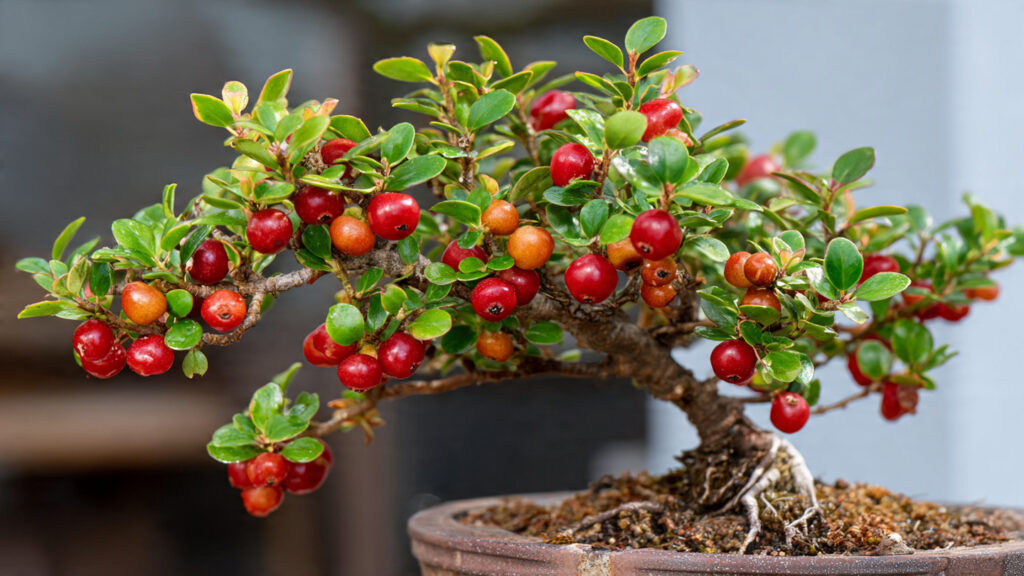
Vaccinium vitis-idaea, commonly known as lingonberry, is a hardy evergreen shrub cherished for its vibrant red berries, glossy foliage, and compact growth habit. While traditionally grown in gardens and woodland settings, lingonberries can also be trained as bonsai, combining the ornamental beauty of bonsai artistry with the practical benefits of this nutritious fruiting shrub. Lingonberry bonsai is ideal for home gardeners who want a low-maintenance, decorative, and fruitful plant that thrives in small spaces, patios, or indoor environments.
This comprehensive guide provides detailed steps for growing and caring for lingonberry bonsai, covering plant selection, soil preparation, potting, pruning, fertilization, watering, pest management, and winter care. By following these methods, gardeners can enjoy a thriving lingonberry bonsai that produces berries and enhances the aesthetic appeal of their home garden environment.
Understanding Lingonberry Bonsai
Lingonberry is a low-growing, evergreen shrub native to boreal forests and tundra regions. Its natural traits make it well-suited for bonsai cultivation:
- Evergreen foliage: Glossy, dark green leaves that retain color throughout the year.
- Slow growth: Ideal for bonsai training and maintaining a compact form.
- Fruit production: Produces small, bright red berries with a tart, flavorful taste.
- Hardiness: Resistant to cold temperatures and adaptable to container cultivation.
Understanding these characteristics helps gardeners create a favorable environment for healthy growth and fruiting.
Selecting the Right Lingonberry Variety
The first step in bonsai cultivation is choosing the appropriate lingonberry variety. Some varieties are more compact and fruit-bearing, making them ideal for bonsai:
- Red Pearl: Produces abundant berries and maintains a compact shape.
- Koralle: Glossy foliage and dense branching, perfect for bonsai aesthetics.
- Baltica: Cold-hardy variety with vibrant red fruits.
- Erntedank: Suitable for both indoor and outdoor bonsai display.
Selecting a variety with natural dwarfing tendencies and dense foliage makes shaping and maintenance easier while ensuring berry production.
Pot and Soil Preparation
Lingonberry bonsai requires a well-draining, acidic soil mix to thrive in containers. Proper pot and soil preparation is essential for healthy root growth and long-term bonsai development.
Pot Selection:
- Use shallow bonsai pots with drainage holes to prevent waterlogging.
- Choose a pot size proportional to the bonsai’s root system; avoid excessively deep pots.
- Ceramic, clay, or glazed pots provide stability and aesthetic appeal.
Soil Preparation:
- Use a mixture of acidic soil, peat moss, and coarse sand or perlite.
- Recommended ratio: 50% peat moss, 30% coarse sand, 20% perlite.
- Maintain soil pH between 4.5–5.5 for optimal growth.
- Ensure loose, aerated soil to support root development and prevent fungal issues.
Well-prepared soil promotes nutrient absorption, healthy foliage, and fruit production in lingonberry bonsai.
Planting and Repotting
Whether starting with a young lingonberry plant or a seedling, correct planting and repotting are critical:
Planting Steps:
- Place a layer of coarse sand or small gravel at the bottom of the bonsai pot for drainage.
- Position the lingonberry plant in the center and fill the pot with prepared soil.
- Firm the soil gently around the roots and water thoroughly.
- Ensure the crown of the plant is slightly above the soil surface to prevent rot.
Repotting Tips:
- Repot every 2–3 years to refresh soil and maintain root health.
- Trim excessive roots carefully during repotting.
- Repot during early spring before new growth begins.
Proper planting and periodic repotting ensure the bonsai maintains vigor, compactness, and fruiting potential.
Shaping and Pruning Lingonberry Bonsai
Pruning is essential to maintain a compact bonsai form, encourage branching, and enhance aesthetics:
➡️ How to Grow Malabar Spinach from Cuttings for Fast, Easy Greens
➡️ How to Grow Super Delicious Cabbage at Home Without a Garden
➡️ How to Grow Bean Sprouts at Home in Plastic Bottles Easily (Step‑by‑Step Guide)
➡️ Why is Your Lemon Tree Blooming in the Heart of Winter?
➡️ Why Should Your Garden Have a Dedicated Pollinator Highway?
➡️ Why Do Your Fruit Trees Need a Winter Wash to Thrive in Spring?
➡️ How Can Rice Water Transform Your Fruits into Sweeter Delights?
➡️ Jumpstart Your Winter Garden: Seed Starting Under Lights
- Initial shaping: Begin pruning when the plant has established roots. Remove long, vertical shoots to encourage lateral branching.
- Maintenance pruning: Trim new growth regularly to maintain the desired bonsai shape.
- Leaf pruning: Remove old or damaged leaves to improve air circulation and light penetration.
- Branch selection: Choose strong branches for shaping; remove weak or crossing branches.
- Wiring: Use soft bonsai wire to gently guide branches into the desired form, taking care not to damage stems.
Regular pruning maintains the bonsai’s miniature size, encourages dense foliage, and enhances berry production.
Watering Lingonberry Bonsai
Lingonberry bonsai requires consistent moisture, but overwatering can lead to root rot.
Watering Guidelines:
- Keep soil evenly moist; avoid allowing it to dry out completely.
- Use room-temperature water to prevent stress.
- Water thoroughly when the topsoil feels slightly dry.
- Reduce watering slightly during winter when growth slows.
Maintaining proper moisture ensures healthy leaves, strong root development, and regular fruiting.
Fertilization and Nutrient Management
Fertilization supports healthy growth, vibrant foliage, and berry production in lingonberry bonsai:
- Use acidic, slow-release fertilizers formulated for ericaceous plants.
- Apply fertilizer every 4–6 weeks during the growing season (spring to autumn).
- Supplement with organic matter like composted pine needles to maintain soil acidity.
- Avoid over-fertilization, which can damage roots or reduce fruiting.
Balanced nutrient management ensures a thriving bonsai with healthy foliage and continuous berry production.
Fruit Development and Care
Lingonberry bonsai produces small red berries, typically in late summer or autumn. Proper care ensures high-quality fruit:
- Pollination: Lingonberries are self-pollinating but benefit from insect visits or gentle hand-pollination indoors.
- Pruning flowers: Avoid excessive pruning during flowering to allow berry formation.
- Supporting branches: Gently support fruit-laden branches to prevent breakage.
- Harvesting: Pick berries when fully red and firm; use scissors or gentle hand-picking to avoid damaging branches.
Regular monitoring and careful handling during fruiting ensure an attractive, productive bonsai.
Light Requirements
Lingonberry bonsai thrives in bright light:
- Provide 6–8 hours of direct sunlight for outdoor bonsai.
- Indoor bonsai should be placed near south-facing windows or supplemented with grow lights.
- Rotate the plant periodically to ensure even light exposure and balanced growth.
Adequate light promotes photosynthesis, dense foliage, and abundant berry production.
Pest and Disease Management
Lingonberry bonsai is relatively hardy but may face occasional pests and diseases:
Common Pests:
- Aphids, spider mites, and scale insects. Treat with insecticidal soap or neem oil.
Diseases:
- Root rot: Caused by overwatering or poorly drained soil.
- Leaf spots or powdery mildew: Remove infected leaves and maintain good airflow.
Early detection and preventive care keep the bonsai healthy, allowing continuous growth and fruiting.
Winter Care for Lingonberry Bonsai
Lingonberry is cold-hardy, but bonsai in containers may require protection in harsh winters:
- Move bonsai to sheltered locations or indoors during frost.
- Reduce watering and fertilizer during dormancy.
- Avoid sudden temperature changes to prevent stress.
- Mulch soil surface to protect roots from freezing.
Proper winter care ensures the bonsai survives cold months and resumes healthy growth in spring.
Aesthetic and Practical Benefits of Lingonberry Bonsai
Growing lingonberry as a bonsai offers numerous benefits:
- Decorative appeal: Compact size, glossy foliage, and red berries add beauty to home gardens or patios.
- Nutritional value: Fresh berries are rich in antioxidants, vitamins, and minerals.
- Low maintenance: Evergreen nature and slow growth reduce care requirements.
- Educational: Bonsai cultivation teaches plant care, pruning, and patience.
- Compact space use: Ideal for small urban gardens, balconies, or indoor environments.
Lingonberry bonsai combines ornamental beauty with practical fruit production, making it a rewarding addition to any home garden.
Final Thoughts
Growing lingonberry bonsai is a fulfilling way to enjoy both aesthetic beauty and edible fruit in a compact space. By selecting the right variety, preparing acidic, well-draining soil, using proper pots, and providing consistent care—including pruning, watering, fertilization, and pest management—gardeners can cultivate a thriving bonsai that produces vibrant red berries year after year.
With attention to light, temperature, and winter protection, lingonberry bonsai can flourish indoors or outdoors, enhancing the home garden environment with its evergreen foliage, striking berries, and miniature charm. By following these comprehensive steps, even beginner gardeners can successfully grow and care for lingonberry bonsai, enjoying a combination of ornamental appeal, nutritional benefits, and a rewarding gardening experience.