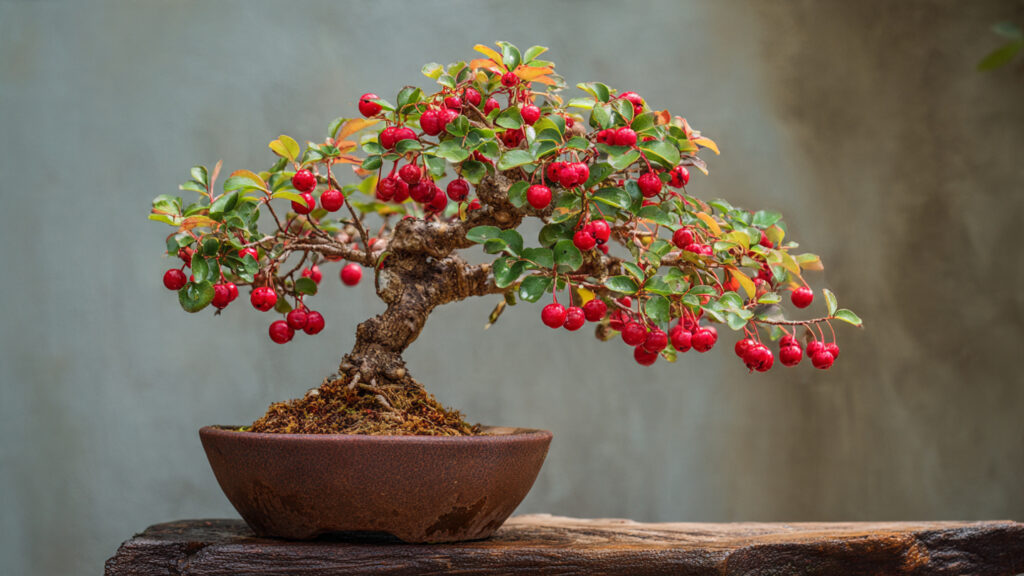
Berry bonsai combines the elegance of miniature trees with the sweet reward of homegrown fruit. Whether you are a beginner dipping your toes into the world of bonsai or an experienced horticulturist seeking a new challenge, berry bonsai offers a delightful way to beautify your indoor or outdoor space while enjoying a harvest of berries. This comprehensive guide covers everything from selecting the right species to pruning techniques, care tips, and creative display ideas.
Why Berry Bonsai?
Berry bonsai is more than just a decorative plant—it’s a fusion of artistry and horticulture. Here’s why growing berry bonsai is worth the effort:
- Aesthetic Appeal
Berry bonsai are striking miniature trees, often showcasing intricate branch structures, delicate leaves, and colorful fruit. The combination of flowers in spring and berries in summer or fall creates a year-round visual delight. - Compact and Versatile
Unlike traditional berry bushes, berry bonsai are compact, making them perfect for small spaces, balconies, terraces, or indoor gardens. Their size allows easy handling and positioning in visually appealing spots. - Therapeutic and Educational
Caring for a berry bonsai cultivates patience, mindfulness, and creativity. It’s an excellent way to teach children and beginners about plant care, pruning, and the growth cycle of fruiting plants. - Fresh Fruit at Your Fingertips
Depending on the variety, berry bonsai can produce strawberries, blueberries, or tiny raspberries, offering fresh, homegrown fruit even in urban settings.
Choosing the Right Berry Bonsai Species
The first step in growing a successful berry bonsai is selecting a species that matches your climate, space, and level of expertise. Some popular options include:
- Strawberry Bonsai (Fragaria × ananassa)
Ideal for beginners, strawberry bonsai are hardy, compact, and fast-growing. They produce small, sweet fruits and delicate white flowers, making them visually appealing and easy to manage. - Blueberry Bonsai (Vaccinium spp.)
Blueberry bonsai require acidic soil and proper sunlight but reward gardeners with vibrant berries and lovely autumn foliage. They are perfect for intermediate to advanced bonsai enthusiasts. - Raspberry or Blackberry Bonsai (Rubus spp.)
These require more attention due to thorny branches and a tendency to grow vigorously. However, they provide abundant fruit and a striking structure, suitable for experts seeking a challenge. - Goji Berry Bonsai (Lycium barbarum)
Known for their nutritious berries, goji bonsai are drought-tolerant and visually unique. They are excellent for gardeners who want a low-maintenance but productive bonsai. - Cranberry Bonsai (Vaccinium macrocarpon)
Perfect for cooler climates, cranberry bonsai thrive in acidic, moist soil and offer small, decorative berries that last into winter.
Preparing Your Bonsai Container and Soil
Berry bonsai thrive in well-draining soil with good aeration. The right container and soil mixture are essential:
- Choosing a Container
Select a shallow bonsai pot with drainage holes. Ceramic or clay pots are ideal because they regulate moisture and provide stability. Ensure the pot complements the plant’s size and overall aesthetic. - Soil Mix
A balanced mix of organic matter, sand, and compost works well. For acidic species like blueberries and cranberries, include peat moss or pine bark to maintain the right pH level. Good soil ensures healthy root development and optimal fruit production. - Drainage Layer
Place a layer of gravel or small stones at the bottom of the pot to prevent waterlogging and root rot.
Planting Your Berry Bonsai
Planting berry bonsai requires care to avoid damaging the roots:
- Root Preparation
If starting from a nursery plant, gently loosen compacted roots and trim any damaged or excessively long roots. This encourages healthy growth in the confined pot. - Positioning
Place the plant in the center of the pot. Adjust the height so the root crown sits slightly above the soil line. Backfill with soil while gently pressing to remove air pockets. - Initial Watering
Water thoroughly after planting. Ensure water drains freely from the bottom of the pot.
Care and Maintenance for Healthy Growth
Berry bonsai require ongoing attention for optimal growth, fruiting, and visual appeal:
1. Watering
- Consistency is Key: Keep the soil moist but not waterlogged. Berry bonsai are sensitive to both drought and overwatering.
- Seasonal Adjustments: Water more frequently during hot summers and reduce slightly during dormant winter months.
2. Sunlight
- Most berry bonsai prefer 4–6 hours of direct sunlight daily.
- Blueberries and strawberries thrive in full sun, while goji berries tolerate partial shade. Indoors, place your bonsai near a bright, south-facing window or use grow lights.
3. Fertilization
- Use a balanced, slow-release fertilizer during the growing season (spring to early autumn).
- Acid-loving species like blueberries benefit from fertilizers designed for acidic soil.
- Avoid over-fertilizing, which can encourage leaf growth at the expense of fruiting.
4. Pruning and Shaping
- Structural Pruning: Remove dead, crossing, or weak branches to maintain shape and airflow.
- Fruit Pruning: Pinch back new growth lightly in spring to encourage stronger branches that can support berries.
- Wire Shaping: For advanced bonsai enthusiasts, use soft bonsai wire to shape branches gradually, creating aesthetically pleasing forms.
5. Pest and Disease Management
- Common pests include aphids, spider mites, and fruit flies. Use organic insecticidal soap or neem oil to control infestations.
- Prevent fungal diseases by ensuring proper spacing, avoiding waterlogged soil, and removing fallen leaves or fruit promptly.
Harvesting Berries from Your Bonsai
One of the most rewarding aspects of berry bonsai is harvesting your homegrown fruit.
- Timing: Harvest berries when fully ripe. Strawberries turn bright red, blueberries blue, and raspberries deep red or black.
- Technique: Gently pick berries to avoid damaging branches or leaves. Regular harvesting encourages new fruit production.
- Enjoyment: Use fresh berries in smoothies, desserts, or salads. You’ll be amazed at how such a small plant can produce so much flavor.
Advanced Tips for Expert Berry Bonsai Enthusiasts
For those looking to take berry bonsai to the next level:
- Grafting Techniques
Grafting can combine multiple berry varieties on one bonsai, offering unique aesthetics and varied fruit production. - Seasonal Care Adjustments
Protect tender species during winter by moving pots indoors or using frost covers. Mulching helps retain moisture and insulates roots. - Companion Planting
Planting complementary herbs or flowers around the bonsai can enhance growth, deter pests, and create a mini-ecosystem in your pot. - Flowering and Fruiting Balance
Regular pruning ensures a balance between flowers and leaves, so the plant doesn’t expend all energy on foliage alone, which optimizes fruit yield.
Displaying Your Berry Bonsai
Berry bonsai are not just plants—they are living art. Consider these display ideas:
- Indoor Decor: Place on a dining table, shelf, or window sill to enjoy both beauty and fragrance indoors.
- Terrace Garden: Group multiple berry bonsai together in decorative trays for a vibrant balcony display.
- Outdoor Accents: Position along pathways or garden corners to add color, texture, and a touch of whimsy.
- Miniature Landscape: Combine your berry bonsai with rocks, moss, or figurines to create a tiny, enchanting landscape.
Final Thoughts
Berry bonsai are a perfect blend of horticulture and artistry, offering beauty, therapeutic benefits, and fresh fruit in a compact, manageable form. With proper species selection, care, pruning, and display, anyone—from beginners to expert gardeners—can successfully cultivate berry bonsai and enjoy the unique rewards they bring.
Whether you are drawn to the vibrant strawberries of spring, the juicy blueberries of summer, or the exotic goji berries of autumn, berry bonsai provide endless possibilities for creativity and enjoyment. Start small, nurture your plant patiently, and watch as your miniature berry tree transforms your living space into a captivating and fruitful paradise.