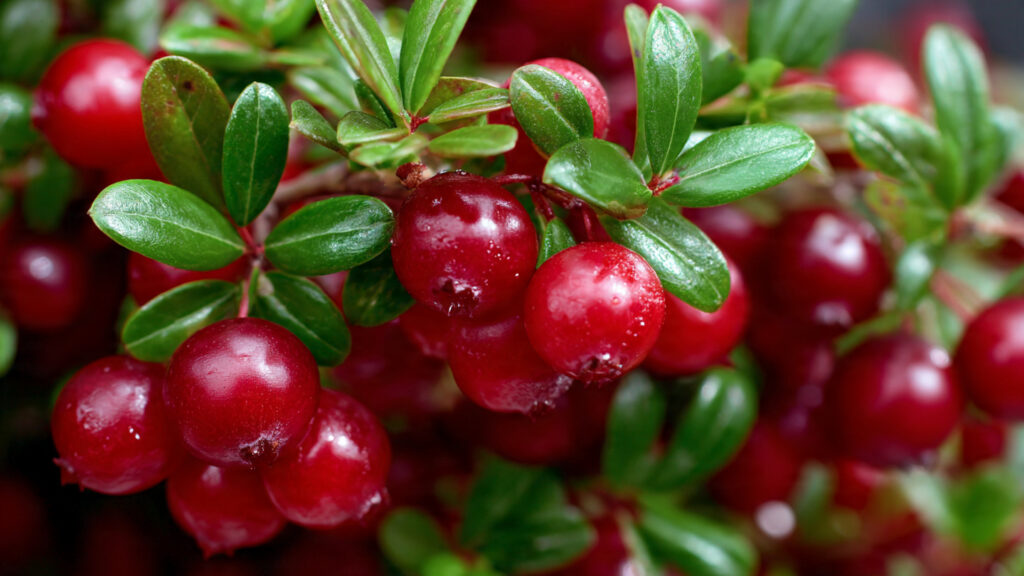
Lingonberries (Vaccinium vitis-idaea) are small, bright red berries prized for their tart flavor and high nutritional content. Popular in Scandinavian and Northern European cuisines, lingonberries are rich in antioxidants, vitamins, and minerals. While traditionally grown outdoors in acidic, well-drained soil, these resilient plants can thrive indoors when provided with the right conditions. Growing lingonberries indoors allows you to enjoy fresh, flavorful berries year-round, even in urban apartments or homes without garden space.
This comprehensive guide will walk you through every step of successful indoor lingonberry cultivation, including variety selection, potting, light, watering, fertilization, pruning, and troubleshooting. By following these techniques, you can harvest bright, flavorful berries right from your windowsill.
Understanding Lingonberries
Lingonberries are low-growing, evergreen shrubs native to boreal forests and tundra regions of the Northern Hemisphere. In the wild, they thrive in cool climates with acidic soil and partial sunlight. Their natural adaptations make them well-suited for indoor cultivation if conditions are carefully managed.
Key characteristics:
- Evergreen leaves that retain color year-round
- Small, glossy, leathery leaves
- Clusters of fragrant white to pink flowers in spring
- Bright red berries that ripen in late summer to fall
By understanding the plant’s natural environment, indoor growers can replicate similar conditions for healthy growth and abundant fruiting.
Selecting the Right Varieties
Choosing the appropriate variety is essential for indoor success. Some varieties are better adapted to pot cultivation and indoor conditions.
Recommended Indoor Varieties:
- ‘Koralle’ – Compact, produces abundant berries, and maintains a tidy growth habit.
- ‘Red Pearl’ – Known for vigorous growth and sweet-tart berries.
- ‘Erntedank’ – Early fruiting, suitable for smaller pots.
- ‘Nagoonberry’ – Dwarf variety, ideal for countertop or windowsill planting.
Selecting compact or dwarf varieties helps ensure the plant remains manageable in indoor spaces and encourages consistent berry production.
Choosing the Right Pot
Lingonberries prefer shallow, wide containers rather than deep pots. A wide pot allows the shallow root system to spread and supports healthy fruiting.
Potting considerations:
- Choose a container with drainage holes to prevent waterlogging
- Prefer terra-cotta or ceramic pots that provide stability and breathability
- Avoid oversized containers, which retain excessive moisture and slow berry production
A slightly snug pot encourages flowering and berry production, as overly large pots may lead to excessive leaf growth at the expense of fruiting.
Soil Requirements
Lingonberries thrive in acidic, well-draining soil. Proper soil preparation is key to healthy indoor growth.
Ideal Soil Mix:
- 50% peat moss or coco coir for acidity and moisture retention
- 30% perlite or sand for aeration and drainage
- 20% acidic compost or pine bark fines
The pH should ideally be between 4.5 and 5.5. Avoid standard garden soil or alkaline potting mixes, which may cause nutrient deficiencies and inhibit berry formation.
Lighting for Indoor Lingonberries
Lingonberries require bright light for fruiting but can tolerate moderate indirect light if supplemented correctly.
Light Guidelines:
- Place near south- or west-facing windows for maximum exposure
- Provide 12–14 hours of light per day during fruiting season
- Use full-spectrum LED grow lights if natural sunlight is insufficient
Proper lighting stimulates flower bud formation and supports berry development. Rotate the plant occasionally to ensure even growth and prevent uneven leaf exposure.
Watering Techniques
Watering is critical for lingonberries, as they prefer consistently moist but not waterlogged soil.
➡️ How to Grow Malabar Spinach from Cuttings for Fast, Easy Greens
➡️ How to Grow Super Delicious Cabbage at Home Without a Garden
➡️ How to Grow Bean Sprouts at Home in Plastic Bottles Easily (Step‑by‑Step Guide)
➡️ Why is Your Lemon Tree Blooming in the Heart of Winter?
➡️ Why Should Your Garden Have a Dedicated Pollinator Highway?
➡️ Why Do Your Fruit Trees Need a Winter Wash to Thrive in Spring?
➡️ How Can Rice Water Transform Your Fruits into Sweeter Delights?
➡️ Jumpstart Your Winter Garden: Seed Starting Under Lights
Best Practices:
- Check soil moisture regularly; water when the top 1–2 inches are dry
- Water from the base to avoid wetting foliage, which can encourage mold
- Reduce watering slightly during winter when growth slows
Overwatering can lead to root rot, while underwatering may cause leaf drop and reduced berry production. A balance is essential for healthy growth.
Humidity and Temperature
Lingonberries prefer cool to moderate temperatures and moderate humidity, reflecting their natural northern habitat.
Ideal Conditions:
- Temperature: 60–70°F (15–21°C) during growth; slightly cooler (50–60°F / 10–15°C) encourages flowering
- Humidity: 50–70%; increase with pebble trays or a small humidifier if indoor air is dry
Maintaining stable temperatures and humidity improves flower formation and berry quality. Avoid placing the plant near radiators, vents, or drafty windows.
Fertilization for Indoor Berry Production
Lingonberries are light feeders, but supplemental nutrients encourage consistent flowering and fruiting.
Fertilizer Recommendations:
- Use an acidic fertilizer designed for ericaceous plants (such as those for blueberries or azaleas)
- Feed every 4–6 weeks during active growth (spring through early fall)
- Reduce or pause feeding during winter dormancy
Balanced nutrition supports leaf health and berry production. Over-fertilizing may lead to excessive foliage at the expense of flowers and fruit.
Flowering and Fruit Production
Indoor lingonberries can produce flowers and berries year-round if conditions are maintained, but peak fruiting typically occurs in late summer.
Encouraging Flowering:
- Ensure adequate light (natural or supplemental)
- Maintain slightly cooler night temperatures to simulate seasonal variation
- Avoid excessive nitrogen, which promotes leafy growth instead of flowers
Once flowers appear, pollination is necessary for berry formation. While some varieties are self-pollinating, indoor growers may gently hand-pollinate using a soft brush to transfer pollen between flowers.
Pruning and Maintenance
Pruning keeps indoor lingonberries healthy and productive.
Key Practices:
- Remove dead or damaged branches
- Thin overcrowded growth to improve air circulation
- Trim back older stems to stimulate new growth
Regular pruning improves light penetration, reduces disease risk, and encourages consistent flowering and fruiting.
Pest and Disease Management
While indoor cultivation reduces exposure to outdoor pests, lingonberries can still encounter problems such as aphids, spider mites, or fungal infections.
Prevention and Treatment:
- Inspect foliage regularly, especially the undersides of leaves
- Wipe leaves with a damp cloth to remove dust and pests
- Use insecticidal soap or neem oil for infestations
- Maintain proper air circulation and avoid waterlogged soil to prevent mold
Consistent monitoring ensures long-term health and uninterrupted berry production.
Propagation Methods
Lingonberries can be propagated indoors to expand your collection or replace aging plants.
Propagation Techniques:
- Stem Cuttings: Take healthy, semi-woody stems, root in a peat-perlite mix, and maintain humidity until established
- Division: Carefully separate small clumps with roots intact and replant in suitable acidic soil
Propagation helps maintain a steady supply of productive plants and ensures continuous berry harvests.
Harvesting Tips
Lingonberries are ready to harvest when they turn bright red and firm to the touch.
- Pick berries individually or in small clusters
- Use gentle handling to prevent bruising
- Harvest regularly to encourage new fruiting
Berries can be eaten fresh, made into jams, jellies, sauces, or stored frozen for later use. Regular harvesting stimulates additional flower and berry production.
Indoor Styling Tips
Lingonberries can be an attractive addition to indoor spaces beyond their edible value.
- Use decorative pots or ceramic containers that complement your décor
- Place in well-lit kitchen windowsills for easy access to berries
- Combine with other small fruiting or foliage plants for a vibrant indoor garden
Their evergreen leaves provide year-round visual appeal, even when not fruiting.
Benefits of Growing Lingonberries Indoors
Indoor lingonberries offer multiple advantages:
- Fresh, tart berries available year-round
- High nutritional content rich in antioxidants
- Compact size suitable for small spaces or urban apartments
- Evergreen foliage enhances indoor aesthetics
- Encourages mindful care and provides a rewarding gardening experience
Final Thoughts
Growing lingonberry plants indoors is both achievable and highly rewarding. By selecting compact varieties, providing acidic, well-draining soil, maintaining consistent moisture and humidity, and ensuring proper lighting, you can enjoy a continuous supply of bright, flavorful berries. Regular pruning, fertilization, and pest monitoring ensure healthy plants capable of year-round flowering and fruiting.
With attention to their natural requirements and a little patience, indoor lingonberries can thrive beautifully, transforming your home into a productive, vibrant, and healthful indoor garden. Whether for fresh snacks, homemade preserves, or decorative appeal, these resilient plants reward consistent care with stunning visual and culinary delights.