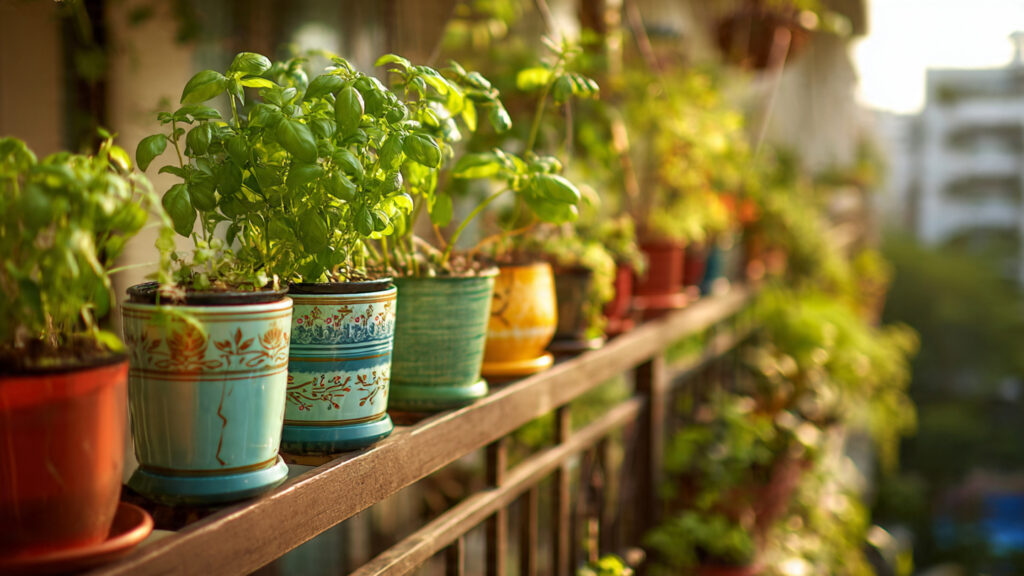
Imagine stepping out onto your balcony and picking fresh, fragrant herbs for your next meal—basil for pasta, mint for tea, or rosemary for roasted vegetables. Growing herbs in sunny balcony spaces isn’t just convenient—it elevates your cooking and brings life to your outdoor area. Whether you have a small urban balcony or a sprawling terrace, herbs are among the easiest plants to grow and most rewarding to use. This ultimate guide will help you choose the right herbs for sunny spots, care for them properly, and enhance your culinary adventures.
Why Balcony Herb Gardening Works
Balcony herb gardening combines the joy of gardening with the practicality of home cooking. Herbs are generally compact, fast-growing, and well-suited to container life. They thrive in sunny spaces because many aromatic herbs naturally prefer full sun.
Benefits include:
- Convenience: Fresh herbs at your fingertips for cooking and drinks.
- Aromatherapy: Herbs like lavender and mint fill your balcony with pleasant scents.
- Eco-friendly: Growing your own herbs reduces trips to the grocery store and packaging waste.
- Aesthetic appeal: Potted herbs add greenery and texture, transforming your balcony into a vibrant mini-garden.
With the right care and sunlight, your balcony can become both a visual and culinary delight.
Understanding Sunlight Requirements
Sunlight is the cornerstone of successful herb gardening on a balcony. Most herbs prefer 6–8 hours of direct sunlight per day, but some can tolerate partial sun.
- Full-sun herbs: Basil, rosemary, thyme, oregano, sage. These plants develop robust flavors when exposed to full sun.
- Partial-sun herbs: Parsley, chives, cilantro. These herbs can handle 3–5 hours of sunlight and still thrive.
- Sunlight tips: Observe your balcony at different times of day to identify the sunniest spots. Rotate pots periodically so all plants receive even light exposure.
Ensuring your herbs get enough light is essential for growth, flavor, and overall health.
Choosing the Best Herbs for Sunny Balconies
Not all herbs are created equal when it comes to sunny spaces. Here’s a guide to the most reliable and flavorful options:
1. Basil
- Sun needs: Full sun.
- Tips: Keep soil consistently moist but not waterlogged. Pinch off flower buds to encourage leaf growth.
- Uses: Pesto, pasta, salads, and cocktails.
2. Rosemary
- Sun needs: Full sun, well-drained soil.
- Tips: Tolerates drought once established. Prune to maintain shape.
- Uses: Roasted meats, potatoes, infused oils.
3. Thyme
- Sun needs: Full sun with excellent drainage.
- Tips: Avoid overwatering. Propagates easily from cuttings.
- Uses: Stews, roasted vegetables, bread flavoring.
4. Oregano
- Sun needs: Full sun, moderate watering.
- Tips: Thrives in slightly dry soil. Pinch leaves to encourage bushier growth.
- Uses: Pizza, pasta sauces, marinades.
5. Sage
- Sun needs: Full sun to partial sun.
- Tips: Avoid humid conditions; well-drained soil is crucial.
- Uses: Poultry seasoning, soups, herbal teas.
6. Mint
- Sun needs: Partial to full sun.
- Tips: Best grown in containers to prevent invasive spreading. Water regularly.
- Uses: Teas, desserts, cocktails, savory dishes.
7. Parsley
- Sun needs: Partial sun, fertile soil.
- Tips: Slow-growing but nutrient-dense. Harvest outer leaves regularly.
- Uses: Garnish, salads, soups.
By selecting herbs suited for sunny conditions, you ensure your balcony garden thrives while providing maximum flavor for your cooking.
Container Choices and Soil Tips
Growing herbs on a balcony requires thoughtful container selection and soil preparation.
- Container selection: Choose pots with drainage holes to prevent root rot. Terracotta or ceramic pots are ideal for sun-exposed areas because they help regulate moisture.
- Size matters: Larger pots allow roots to spread, reducing the frequency of watering.
- Soil mix: Use well-draining, nutrient-rich soil. A mix of potting soil, compost, and sand works well for sun-loving herbs.
- Fertilization: Herbs don’t require heavy feeding. Use a balanced, water-soluble fertilizer every 4–6 weeks during the growing season.
The right containers and soil create a foundation for healthy, flavorful herbs that thrive even in a compact balcony space.
Watering and Maintenance for Sunny Herbs
Herbs in sunny balconies require careful watering and consistent maintenance:
- Watering frequency: Check soil moisture daily, especially during hot weather. Herbs like rosemary and thyme prefer slightly dry soil, while basil and parsley need more frequent watering.
- Pruning: Regularly harvest and trim leaves to encourage new growth. Avoid letting herbs flower too early, as this can reduce leaf quality.
- Pest control: Watch for aphids, spider mites, or whiteflies. Organic sprays or neem oil work effectively.
Maintenance ensures your herbs stay lush, productive, and ready for use in your kitchen.
Maximizing Culinary Benefits
Having fresh herbs on your balcony transforms your cooking in many ways:
- Enhanced flavor: Freshly picked herbs are more aromatic and flavorful than store-bought alternatives.
- Healthy meals: Herbs add nutrients, antioxidants, and flavor without added salt or sugar.
- Creative cooking: Use herbs for herbal teas, infused oils, marinades, and fresh sauces.
- Harvesting tips: Pick leaves in the morning for the best flavor. Regular harvesting stimulates growth and keeps plants healthy.
With your balcony garden at hand, every meal becomes a culinary adventure.
Design Tips for a Sunny Balcony Herb Garden
Creating an attractive and functional balcony herb garden combines design with practicality:
➡️ How to Grow Malabar Spinach from Cuttings for Fast, Easy Greens
➡️ How to Grow Super Delicious Cabbage at Home Without a Garden
➡️ How to Grow Bean Sprouts at Home in Plastic Bottles Easily (Step‑by‑Step Guide)
➡️ Why is Your Lemon Tree Blooming in the Heart of Winter?
➡️ Why Should Your Garden Have a Dedicated Pollinator Highway?
➡️ Why Do Your Fruit Trees Need a Winter Wash to Thrive in Spring?
➡️ How Can Rice Water Transform Your Fruits into Sweeter Delights?
➡️ Jumpstart Your Winter Garden: Seed Starting Under Lights
- Tiered planting: Use vertical planters, hanging pots, or shelves to maximize space.
- Mix herbs with flowers: Marigolds, nasturtiums, or lavender complement herbs visually and repel pests.
- Grouping: Plant herbs with similar sunlight and watering needs together for easier maintenance.
- Aesthetic appeal: Use colorful pots or labels to organize herbs while enhancing balcony décor.
A well-designed balcony garden elevates both your outdoor space and your cooking experience.
Overcoming Common Challenges
Sunny balcony gardens come with challenges, but they’re manageable:
- Heat stress: Herbs may wilt under intense midday sun. Solution: Provide temporary shade or water early in the morning.
- Wind exposure: High balconies may experience strong winds that damage plants. Solution: Use windbreaks or heavier pots for stability.
- Limited space: Small balconies require vertical gardening solutions, such as hanging baskets or stacked planters.
By anticipating challenges, you can create a thriving herb garden regardless of balcony size or climate.
The Joy of Cooking From Your Balcony
There’s a special satisfaction in cooking with herbs you’ve grown yourself. The aroma of freshly picked basil in a tomato sauce or a sprig of mint in iced tea brings your culinary creations to life. Balcony herb gardening doesn’t just improve your meals—it connects you to nature, even in an urban environment.
Whether you’re a seasoned cook or a beginner, having a small herb garden at your fingertips makes experimenting with flavors easier, more sustainable, and more enjoyable.
Final Thoughts
A sunny balcony provides the perfect environment for growing a wide variety of herbs. By selecting the right herbs, using appropriate containers, ensuring sufficient sunlight, and maintaining proper care, you can create a vibrant balcony herb garden that enhances both your cooking and your outdoor space.
From basil and rosemary to mint and parsley, the possibilities are endless. With a little planning and attention, your balcony can become a green oasis and a culinary powerhouse—bringing fresh, flavorful ingredients directly to your kitchen while brightening your home with greenery.
Start small, experiment with different herbs, and enjoy the satisfaction of cooking better from your balcony every day. Your sunny herb garden is not just a practical investment; it’s a celebration of nature, flavor, and creativity.