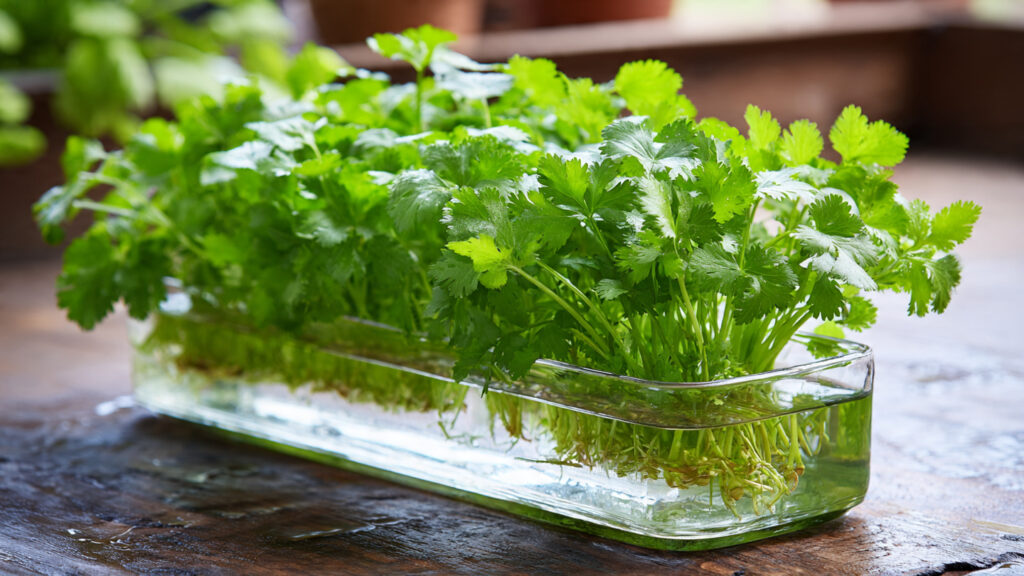
Coriander (Coriandrum sativum), also known as cilantro, is a versatile herb cherished for its fresh, citrusy leaves and aromatic seeds. Commonly used in culinary dishes worldwide—from Indian curries to Mexican salsas—coriander adds flavor and fragrance to any kitchen. While traditional soil cultivation is widely practiced, growing coriander in water is an innovative and convenient alternative that suits indoor gardening, small spaces, or urban homes.
Water-based cultivation, also called hydroponic or water propagation, allows coriander to thrive without soil. By understanding alternative methods, maintaining optimal conditions, and following proper care routines, you can enjoy a continuous supply of fresh coriander leaves at home. This guide explores multiple water-based cultivation techniques and tips to ensure successful growth.
Why Grow Coriander in Water?
Growing coriander in water offers several advantages, particularly for home gardeners:
- Space-saving: Ideal for apartments or small kitchens.
- Soil-free cultivation: Reduces mess, pests, and soil-borne diseases.
- Year-round growth: With the right setup, coriander can thrive indoors regardless of the season.
- Faster germination: Seeds often sprout quickly in water compared to soil.
- Continuous harvest: Leaves can be cut repeatedly, promoting fresh growth.
Water-based methods make coriander accessible, even for those who lack garden space or have busy lifestyles.
Understanding Coriander Growth
Coriander is an annual herb that prefers cool temperatures (60–75°F / 16–24°C) and moderate sunlight. Key growth stages include:
- Germination: Seeds sprout within 7–14 days in optimal conditions.
- Seedling stage: Initial leaves (cotyledons) emerge and develop into mature leaves.
- Vegetative growth: The plant produces lush foliage suitable for harvesting.
- Bolting: In warm conditions, coriander quickly produces flowers and seeds, which signals the end of leaf production.
Knowing these stages helps manage water-based growth to maximize leaf production.
Step 1: Selecting Seeds
High-quality seeds are essential for successful growth:
- Freshness: Purchase seeds from a reliable supplier for better germination.
- Pre-soaking: Soak seeds in water for 24 hours before planting to accelerate germination.
- Varieties: Choose leafy coriander varieties if your goal is continuous leaf harvest; some varieties are bred primarily for seeds.
Fresh, viable seeds ensure rapid growth and robust plants.
Step 2: Preparing a Water-Based Growing Setup
There are several alternative methods for growing coriander in water:
Method 1: Glass Jar or Cup Method
- Container: Use a clean glass jar or cup.
- Water level: Fill with 1–2 inches of water—enough to cover the base of the seeds without submerging the entire seedling.
- Support: Place seeds on a mesh, perforated lid, or cotton pad to prevent complete immersion.
- Light: Position near a sunny windowsill or under grow lights for 6–8 hours daily.
Method 2: Hydroponic Tray System
- Shallow tray: Use a hydroponic seed tray with holes for net pots.
- Water reservoir: Keep water in the tray to reach the bottom of the net pots, allowing roots to access moisture.
- Growing medium (optional): Use rockwool, perlite, or coconut coir in the net pots for additional support.
- Lighting: Ensure consistent light exposure for healthy leaf growth.
Method 3: Wick Hydroponics
- Container and water: Place seeds in a container above a water reservoir.
- Wick material: Insert a cotton or nylon wick from the water into the growing medium.
- Capillary action: The wick draws water to the roots, maintaining steady moisture.
Each method has unique benefits. Glass jars are easy for beginners, hydroponic trays suit multiple plants, and wick systems offer automation for minimal maintenance.
Step 3: Germinating Seeds in Water
Proper germination is crucial for success:
- Temperature: Maintain 65–75°F (18–24°C) for optimal sprouting.
- Humidity: Covering jars or trays with a transparent lid or plastic wrap helps retain moisture.
- Water change: Refresh water every 2–3 days to prevent stagnation and bacterial growth.
- Observation: Seeds sprout within 7–14 days, showing small green shoots and root development.
Healthy germination sets the foundation for vigorous leafy growth.
Step 4: Providing Optimal Conditions
Water-grown coriander requires consistent care:
- Sunlight: At least 4–6 hours of direct or bright indirect light daily.
- Water quality: Use filtered or tap water with low chlorine; let tap water sit for 24 hours if needed.
- Nutrients: Add diluted liquid fertilizer or hydroponic nutrient solution after seedlings establish roots to ensure adequate growth.
- Temperature management: Keep plants in a cool area to delay bolting and prolong leaf production.
Providing ideal conditions ensures robust leaves and reduces stress-induced flowering.
Step 5: Maintenance and Care
Caring for coriander in water involves simple but important practices:
➡️ How to Grow Malabar Spinach from Cuttings for Fast, Easy Greens
➡️ How to Grow Super Delicious Cabbage at Home Without a Garden
➡️ How to Grow Bean Sprouts at Home in Plastic Bottles Easily (Step‑by‑Step Guide)
➡️ Why is Your Lemon Tree Blooming in the Heart of Winter?
➡️ Why Should Your Garden Have a Dedicated Pollinator Highway?
➡️ Why Do Your Fruit Trees Need a Winter Wash to Thrive in Spring?
➡️ How Can Rice Water Transform Your Fruits into Sweeter Delights?
➡️ Jumpstart Your Winter Garden: Seed Starting Under Lights
- Trimming: Regularly harvest outer leaves, leaving central growth to continue developing.
- Water changes: Replace water every 3–4 days to maintain oxygen levels and reduce algae growth.
- Root inspection: Healthy roots are white; remove any brown or slimy roots promptly.
- Cleaning: Clean containers periodically to prevent mold and bacterial buildup.
Proper maintenance supports continuous, healthy growth for several weeks.
Step 6: Harvesting Coriander
Water-grown coriander allows for frequent, easy harvesting:
- Timing: Begin harvesting when seedlings are 4–6 inches tall.
- Technique: Use scissors to snip outer leaves, avoiding the central growing point.
- Continuous harvest: Regular trimming encourages bushy growth and prolongs the harvest period.
- Seed production: If the plant begins to flower, remove flower stalks to extend leaf production.
A steady harvest provides fresh coriander for daily cooking without depleting the plant.
Step 7: Troubleshooting Common Issues
Growing coriander in water may present some challenges:
- Algae growth: Reduce light exposure to water or change water more frequently.
- Leggy seedlings: Increase light intensity or shorten distance from light source.
- Root rot: Ensure roots are not fully submerged and replace water regularly.
- Bolting: Maintain cool temperatures and avoid over-fertilization to delay flowering.
Addressing problems early ensures a healthy, productive crop.
Alternative Tips for Enhanced Growth
- Combination planting: Grow coriander alongside other herbs like basil or parsley in the same water tray to maximize space.
- Supplemental CO₂: In advanced hydroponics, gentle air pumps can oxygenate water for faster growth.
- Nutrient adjustments: Experiment with liquid organic fertilizers for improved flavor and leaf density.
- Continuous sowing: Plant seeds every 2–3 weeks for an uninterrupted supply of fresh leaves.
These tips help maintain productivity and improve the quality of water-grown coriander.
Benefits of Growing Coriander in Water
Water-based cultivation offers several advantages for home gardeners:
- Minimal space requirement: Suitable for kitchens, windowsills, or small apartments.
- Pest reduction: Soil-borne pests are eliminated.
- Convenience: Leaves are easily accessible for daily cooking.
- Rapid growth: Germination and early growth can be faster than soil-grown plants.
- Aesthetic appeal: Water jars and trays create attractive indoor herb displays.
Water cultivation turns coriander into a practical and decorative addition to any home.
Final Thoughts
Growing coriander in water using alternative methods is a practical and rewarding way to enjoy fresh, flavorful herbs year-round. By choosing quality seeds, providing proper light, water, and nutrients, and maintaining healthy root systems, even beginners can cultivate a thriving crop in limited spaces. Whether using a simple glass jar, a hydroponic tray system, or a wick setup, water-based coriander cultivation combines convenience, rapid growth, and continuous harvest opportunities.
With consistent care, regular harvesting, and attention to environmental conditions, water-grown coriander can supply your kitchen with fresh leaves for weeks, offering both culinary satisfaction and the joy of indoor gardening. This innovative approach ensures that anyone—regardless of garden space—can enjoy the aromatic, vibrant, and nutritious benefits of coriander right at home.