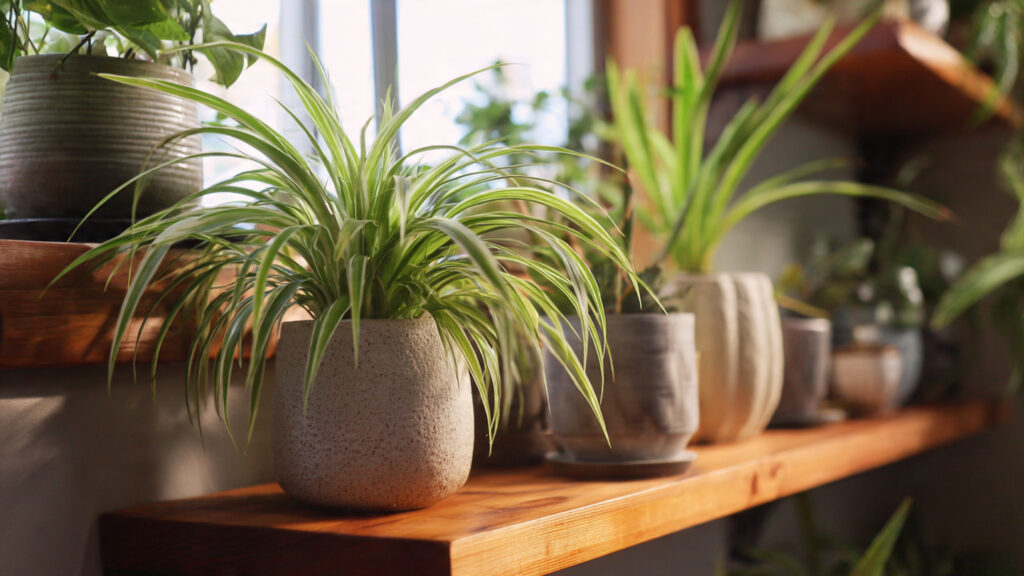
Spider plants (Chlorophytum comosum) are among the most popular houseplants, loved for their arching leaves, ease of care, and ability to brighten any indoor space. While they are naturally resilient, many plant enthusiasts find themselves wishing their spider plants could grow fuller, bushier, and more vibrant. Achieving that lush, cascading look doesn’t happen by accident—it requires understanding the plant’s needs and applying a few proven techniques. In this article, we’ll explore step-by-step strategies to encourage your spider plant to thrive in all its leafy glory.
Understanding the Growth Pattern of Spider Plants
Spider plants naturally produce long, arching leaves that grow from a central rosette. New shoots, called “pups,” sprout from the base and eventually form new plants. A healthy spider plant will grow multiple pups over time, resulting in a fuller appearance. However, environmental conditions, nutrition, and care practices directly impact how dense and bushy your plant will become.
Before attempting to encourage bushy growth, it’s crucial to understand these key factors:
- Light: Spider plants prefer bright, indirect light. Insufficient light can result in leggy growth and fewer pups, while too much direct sunlight may scorch the leaves.
- Water: Consistent moisture is vital. Overwatering can lead to root rot, while underwatering can stress the plant, limiting growth.
- Nutrients: Like all green plants, spider plants need the right balance of nutrients. A lack of nitrogen, in particular, can reduce leaf production.
- Pot Size: Crowded roots can sometimes stimulate the production of pups, but too tight a space may stress the plant and stunt its overall growth.
1. Choose the Right Pot and Soil
Your plant’s container and growing medium play a huge role in encouraging bushy growth. Spider plants prefer well-draining soil that retains enough moisture without becoming soggy. A mix of standard potting soil and perlite or sand works perfectly.
Tip: Choose a slightly wider pot than the root ball, allowing room for the plant to expand. Shallow, wide pots often encourage lateral growth, leading to a fuller look.
2. Provide Optimal Lighting Conditions
Lighting is one of the most important factors in promoting a lush spider plant. While these plants can survive in low light, they thrive in bright, indirect sunlight.
- Ideal spots: Near an east- or west-facing window where they receive filtered light.
- Avoid direct sun: Too much sun can scorch the leaves, turning tips brown and inhibiting growth.
- Artificial lighting: If natural light is insufficient, use full-spectrum LED grow lights for 12–14 hours a day to mimic sunlight.
A well-lit plant will grow stronger leaves and produce more pups, contributing to that bushy, vibrant appearance.
3. Watering Techniques for Healthy Growth
Spider plants enjoy consistent moisture, but they are prone to root rot if the soil stays soggy. Use the following watering tips to keep your plant healthy and full:
- Water thoroughly, allowing excess to drain out of the pot.
- Let the top inch of soil dry out before watering again.
- Reduce watering during the winter months, when the plant’s growth slows down.
- Avoid letting water sit in the saucer for prolonged periods.
Bonus Tip: Using room-temperature, filtered water reduces stress on the plant, particularly if your tap water is high in chlorine or fluoride.
4. Fertilize Regularly for Bushy Growth
Fertilization provides the nutrients necessary for lush leaf development. Use a balanced, water-soluble fertilizer or a slow-release granular option to encourage full growth.
- Frequency: Fertilize every 4–6 weeks during the active growing season (spring and summer).
- Type: Look for a fertilizer with a higher nitrogen content, as nitrogen promotes leafy growth.
- Avoid over-fertilization: Too much fertilizer can burn roots or cause weak, floppy leaves.
Regular feeding ensures your spider plant has the energy to produce multiple shoots and maintain a dense canopy.
5. Pruning and Trimming for Fuller Appearance
Pruning isn’t just for aesthetics—it also stimulates growth. Regular trimming encourages the plant to produce more shoots from the base rather than stretching out tall and thin.
- Remove dead or yellowing leaves at the base using clean, sharp scissors.
- Trim any excessively long leaves to encourage lateral growth.
- Cut off spent flowers and dried-up pups to redirect energy toward healthy shoots.
This process keeps the plant tidy while promoting a fuller, bushier structure over time.
6. Encourage Propagation of Pups
Spider plants naturally produce small offshoots, or “pups,” which can be propagated to create new plants or left attached to increase bushiness.
- Encouraging pups: Healthy adult plants with sufficient light, water, and nutrients will produce multiple pups.
- Managing pups: Instead of removing them immediately, leave some attached to the mother plant. This creates a naturally bushy appearance.
- Propagation: Pups can be rooted in water or soil to grow new plants while still supporting the growth of the original plant.
A well-managed spider plant with multiple pups will look fuller and more vibrant, creating a stunning display.
➡️ How to Grow Malabar Spinach from Cuttings for Fast, Easy Greens
➡️ How to Grow Super Delicious Cabbage at Home Without a Garden
➡️ How to Grow Bean Sprouts at Home in Plastic Bottles Easily (Step‑by‑Step Guide)
➡️ Why is Your Lemon Tree Blooming in the Heart of Winter?
➡️ Why Should Your Garden Have a Dedicated Pollinator Highway?
➡️ Why Do Your Fruit Trees Need a Winter Wash to Thrive in Spring?
➡️ How Can Rice Water Transform Your Fruits into Sweeter Delights?
➡️ Jumpstart Your Winter Garden: Seed Starting Under Lights
7. Repotting for Continuous Growth
Spider plants thrive when repotted every 1–2 years. Repotting refreshes the soil, prevents root crowding, and encourages more lateral growth.
Repotting steps:
- Choose a slightly larger pot than the current one.
- Gently remove the plant from its old pot and loosen the roots.
- Trim any damaged or rotting roots.
- Place the plant in fresh soil and water thoroughly.
Repotting is an opportunity to invigorate your spider plant, stimulating new shoots and enhancing bushiness.
8. Maintain Proper Humidity and Temperature
Spider plants prefer moderate humidity and temperatures between 60–75°F (16–24°C). Low humidity or cold drafts can cause stress, slowing growth and preventing a full, healthy appearance.
- Increase humidity by misting the leaves occasionally.
- Group plants together to create a microclimate.
- Avoid placing near heaters, air conditioners, or drafty windows.
These conditions mimic the plant’s natural environment, helping it grow strong, lush foliage.
9. Monitor for Pests and Disease
A stressed spider plant may grow thin, lose leaves, or fail to produce pups. Keep an eye out for common pests such as spider mites, aphids, or mealybugs.
- Treat infestations promptly with insecticidal soap or neem oil.
- Remove damaged leaves to prevent spread.
- Maintain good air circulation around the plant to reduce fungal issues.
Healthy plants are more likely to develop a bushy, full appearance than stressed or infested ones.
10. Patience is Key
While these techniques accelerate growth, it’s important to remember that spider plants grow gradually. With consistent care, proper light, and routine pruning, your plant will eventually develop a dense, lush look. Don’t rush the process—celebrate each new pup and leaf as a step toward your ideal bushy spider plant.
Conclusion
Encouraging full and bushy growth in your spider plant is all about combining the right environment with attentive care. By providing optimal lighting, watering correctly, fertilizing, pruning strategically, and managing pups, you can transform a simple indoor plant into a lush, vibrant centerpiece. Remember, each plant is unique—observation and patience are key. Over time, your spider plant will reward your efforts with a beautiful, cascading display of healthy leaves and new shoots, adding natural beauty to your home.