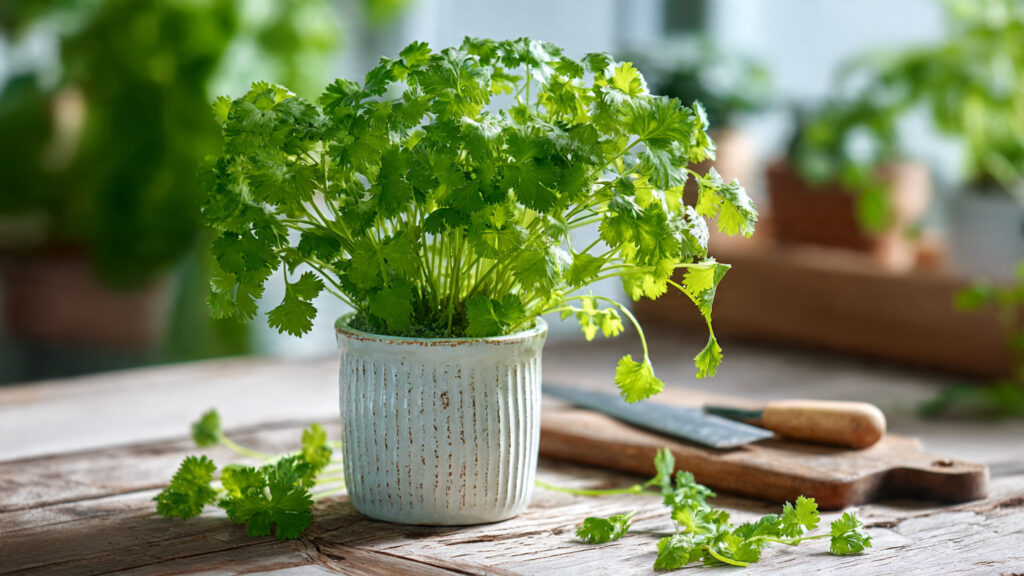
Coriander, also known as cilantro or Chinese parsley, is one of the most beloved culinary herbs worldwide. Its fragrant leaves add zest to salads, soups, salsas, and countless dishes. While most gardeners grow coriander from seeds, many don’t realize that growing coriander from cuttings is a simple, efficient, and rewarding technique. Not only does it allow you to enjoy fresh herbs year-round, but it also speeds up the process and ensures a steady supply for your kitchen.
In this guide, we’ll explore how to successfully propagate coriander from cuttings, maintain healthy plants, and enjoy continuous harvests without the stress of seed germination issues.
Why Grow Coriander from Cuttings?
Starting coriander from cuttings offers several advantages over traditional seed sowing:
- Faster Growth: Cuttings produce mature, harvestable leaves more quickly than seeds.
- Guaranteed Variety: When using cuttings from a healthy plant, you retain the exact flavor and traits of the parent plant.
- Reduced Risk of Bolting: Seed-grown coriander is prone to premature flowering, especially in warm conditions. Cuttings tend to establish in controlled environments, reducing stress-induced bolting.
- Sustainability: Propagating cuttings reduces the need to buy seeds repeatedly and allows gardeners to recycle stems that would otherwise be discarded.
Selecting the Right Coriander Plant for Cuttings
The first step in successful propagation is choosing a healthy parent plant:
- Vigorous Growth: Select a plant with strong, vibrant green leaves and no signs of disease or pests.
- Stem Quality: Choose stems that are firm, not woody, and at least 4–6 inches long. Avoid stems that are flowering or showing signs of bolting.
- Leaf Condition: Leaves should be healthy and free from yellowing or damage.
Healthy cuttings are more likely to develop roots quickly and produce lush, flavorful foliage.
Preparing Coriander Cuttings for Propagation
Once you’ve selected your parent plant, it’s time to prepare the cuttings:
- Trim the Stems: Use sterilized scissors or pruning shears to cut stems 4–6 inches long. Cut just below a node (the point where leaves join the stem), as this is where roots are most likely to form.
- Remove Lower Leaves: Strip the lower leaves to prevent them from rotting in water or soil. Leave only 2–3 leaves at the top to sustain photosynthesis.
- Optional Rooting Hormone: Dip the cut end in a natural rooting hormone or cinnamon powder to encourage faster root growth and protect against fungal infections.
Rooting Coriander in Water
Water propagation is a simple and beginner-friendly method:
- Choose a Container: Use a clean glass, jar, or small vase.
- Add Water: Fill the container with filtered or dechlorinated water. Ensure the water level covers the nodes of the cutting without submerging the leaves.
- Place Cuttings: Insert the prepared coriander cuttings into the water, ensuring nodes are submerged.
- Position Properly: Place the container in a bright area with indirect sunlight. Avoid direct harsh sunlight, which can stress the cuttings.
- Change Water Regularly: Replace the water every 2–3 days to prevent stagnation and maintain oxygen levels.
Roots typically develop within 7–14 days. Once they reach 2–3 inches, the cuttings are ready for planting in soil or containers.
Rooting Coriander in Soil
Soil propagation is ideal for long-term growth and indoor container gardening:
- Prepare a Pot: Use a small container with drainage holes filled with well-draining soil (a mix of garden soil, compost, and sand works best).
- Plant the Cutting: Insert the prepared stem 1–2 inches deep into the soil, covering only the nodes while keeping the top leaves above the surface.
- Water Gently: Lightly water the soil to keep it moist but not soggy.
- Provide Shade Initially: Keep the cuttings in partial shade for the first few days to reduce stress and encourage root establishment.
After 2–3 weeks, you should notice new leaf growth, indicating that roots are developing and the cutting is thriving.
Caring for Coriander Cuttings After Planting
Proper care is essential to ensure strong, healthy plants:
- Sunlight: Coriander prefers 4–6 hours of direct sunlight daily. For indoor gardens, place pots near a sunny window or use grow lights.
- Watering: Maintain consistently moist soil but avoid waterlogging, which can cause root rot.
- Fertilization: Use a balanced organic fertilizer or compost tea every 3–4 weeks to encourage healthy leaf growth.
- Air Circulation: Good airflow reduces fungal infections and keeps leaves healthy.
With these care practices, coriander cuttings can mature into robust plants capable of producing multiple harvests.
Preventing Common Problems
Even with careful propagation, beginners may encounter issues:
- Root Rot: Avoid overwatering and ensure proper drainage in containers. Stagnant water encourages fungal growth.
- Pests: Watch for aphids, whiteflies, and spider mites. Spray with neem oil or gently wash leaves if pests appear.
- Leggy Growth: If the cutting stretches too much, it may not develop strong leaves. Ensure adequate sunlight and consider pruning top leaves to promote branching.
Addressing these issues early helps maintain vigorous, flavorful coriander plants.
Harvesting Coriander from Cuttings
One of the advantages of growing coriander from cuttings is that you can begin harvesting leaves earlier:
➡️ How to Grow Malabar Spinach from Cuttings for Fast, Easy Greens
➡️ How to Grow Super Delicious Cabbage at Home Without a Garden
➡️ How to Grow Bean Sprouts at Home in Plastic Bottles Easily (Step‑by‑Step Guide)
➡️ Why is Your Lemon Tree Blooming in the Heart of Winter?
➡️ Why Should Your Garden Have a Dedicated Pollinator Highway?
➡️ Why Do Your Fruit Trees Need a Winter Wash to Thrive in Spring?
➡️ How Can Rice Water Transform Your Fruits into Sweeter Delights?
➡️ Jumpstart Your Winter Garden: Seed Starting Under Lights
- Start Harvesting: When the plant has at least 6–8 inches of growth, pinch leaves from the top.
- Regular Trimming: Frequent harvesting encourages bushy growth and delays flowering.
- Avoid Overharvesting: Always leave some leaves to sustain photosynthesis and root health.
With proper care, coriander grown from cuttings can provide a continuous supply of fresh leaves for weeks or even months.
Tips for Year-Round Coriander Supply
By propagating from cuttings and using the right techniques, you can enjoy coriander year-round:
- Stagger Cuttings: Take new cuttings every 3–4 weeks to ensure continuous harvest.
- Indoor Gardening: Grow cuttings in containers under grow lights during colder months or when outdoor conditions are unsuitable.
- Succession Harvesting: Rotate harvesting sections of the plant to maintain leaf production and prevent bolting.
- Proper Storage: If you have excess cuttings, you can keep them in water in the fridge for a few days before planting.
These strategies allow you to maintain a steady supply of fresh, aromatic coriander for culinary use at all times.
Benefits of Growing Coriander from Cuttings
- Faster Results: Skip the germination stage and start harvesting sooner.
- Consistency: Retain the flavor, aroma, and traits of your favorite plant.
- Cost-Effective: Reduce dependence on seed purchases.
- Sustainability: Make the most of leftover stems or unused plants by propagating new ones.
- Decorative: Coriander cuttings in water jars make an attractive addition to your kitchen or windowsill while rooting.
Conclusion
Growing coriander from cuttings is an amazing, simple, and efficient technique that allows you to enjoy fresh, aromatic herbs at home without the challenges of seed germination or bolting. By selecting healthy stems, preparing them properly, choosing the right propagation method, and providing consistent care, you can cultivate robust coriander plants in containers, pots, or even small indoor gardens.
Whether you’re a beginner or an experienced gardener, this method ensures a continuous supply of flavorful leaves for cooking, garnishing, and enjoying the fresh taste of home-grown herbs. With patience, attention, and these practical techniques, you can transform ordinary coriander stems into thriving plants that enrich your kitchen and your culinary creations all year round.