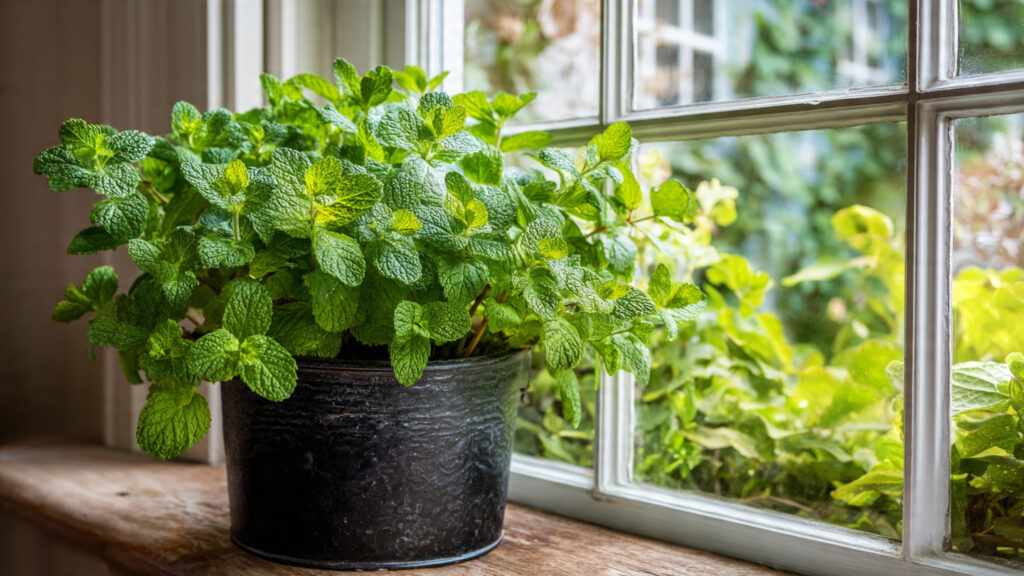
Mint is one of the most versatile and fragrant herbs you can grow at home. From refreshing teas and cocktails to flavoring salads, desserts, and savory dishes, mint adds a burst of freshness to your culinary creations. The great news is that you don’t need a large garden or special skills to enjoy mint year-round. With a few simple techniques, anyone can grow lush, aromatic mint indoors, even in small apartments or homes with limited sunlight.
Whether you’re a seasoned gardener or a complete beginner, this guide will show you the effortless way to cultivate mint indoors, ensuring a steady supply throughout the year.
Why Grow Mint Indoors?
Growing mint indoors offers several advantages:
- Pest-Free Environment: Indoors, mint is less exposed to insects and pests that typically affect outdoor gardens.
- All-Year Access: You can enjoy fresh mint even in winter or during rainy seasons when outdoor gardening isn’t practical.
- Space-Friendly: Mint grows well in pots, jars, or even small containers, making it perfect for apartments, balconies, or kitchens.
- Fragrance and Aesthetics: Indoor mint not only tastes great but also fills your home with a fresh, herbal aroma.
With these benefits in mind, it’s no wonder indoor mint gardening is becoming increasingly popular.
Step 1: Choose the Right Mint Variety
Mint comes in several varieties, including spearmint, peppermint, chocolate mint, and apple mint. Each has its unique aroma and flavor. When growing indoors, choose varieties that are:
- Compact and bushy rather than sprawling.
- Hardy and fast-growing for continuous harvest.
- Suitable for container gardening.
Tip: Spearmint is often recommended for beginners because it grows quickly, is easy to care for, and tolerates indoor conditions well.
Step 2: Select the Perfect Container
Mint is a vigorous herb that spreads quickly. Choosing the right container ensures healthy growth and prevents overgrowth.
Container tips:
- Use a pot at least 6–8 inches deep with drainage holes.
- Consider self-watering pots for consistent moisture without overwatering.
- If growing multiple plants, choose separate pots to prevent competition for nutrients.
Containers not only control growth but also make it easier to move plants to better lighting spots or around the home as needed.
Step 3: Pick the Best Soil
Healthy soil is essential for thriving indoor mint. Unlike outdoor gardens, indoor containers require well-draining soil.
Soil tips:
- Use a high-quality potting mix rich in organic matter.
- Avoid heavy garden soil, which can retain too much water and lead to root rot.
- Consider mixing in a little perlite or sand for better drainage.
Good soil promotes strong roots, vigorous growth, and flavorful leaves.
Step 4: Provide Adequate Light
Mint thrives in bright, indirect sunlight. Indoors, light is often the most critical factor for healthy growth.
Lighting tips:
- Place mint near a south or west-facing window for 4–6 hours of sunlight daily.
- If natural light is limited, supplement with fluorescent or LED grow lights.
- Rotate the pot every few days to ensure even growth and prevent plants from leaning toward the light source.
Adequate light keeps leaves vibrant, flavorful, and aromatic.
➡️ How to Grow Malabar Spinach from Cuttings for Fast, Easy Greens
➡️ How to Grow Super Delicious Cabbage at Home Without a Garden
➡️ How to Grow Bean Sprouts at Home in Plastic Bottles Easily (Step‑by‑Step Guide)
➡️ Why is Your Lemon Tree Blooming in the Heart of Winter?
➡️ Why Should Your Garden Have a Dedicated Pollinator Highway?
➡️ Why Do Your Fruit Trees Need a Winter Wash to Thrive in Spring?
➡️ How Can Rice Water Transform Your Fruits into Sweeter Delights?
➡️ Jumpstart Your Winter Garden: Seed Starting Under Lights
Step 5: Watering the Right Way
Mint loves moisture but doesn’t tolerate soggy soil. Proper watering is crucial for year-round indoor growth.
Watering tips:
- Water whenever the top inch of soil feels dry to the touch.
- Use a watering can or gentle spray to avoid washing soil out of the pot.
- Ensure proper drainage to prevent waterlogging and root rot.
- Reduce watering slightly during winter when plant growth slows.
Consistent, moderate watering keeps mint leaves tender, flavorful, and lush.
Step 6: Fertilize for Continuous Growth
Indoor plants can deplete nutrients faster than outdoor soil, so fertilizing regularly is essential.
Fertilizer tips:
- Use a balanced, water-soluble fertilizer every 4–6 weeks.
- Avoid over-fertilizing, which can lead to overly soft leaves with less flavor.
- Organic options like compost tea or diluted fish emulsion work well for edible herbs.
Proper fertilization ensures a steady supply of healthy leaves for harvesting.
Step 7: Pruning and Harvesting
Regular pruning is key to maintaining healthy mint indoors. It encourages bushier growth and prevents the plant from becoming leggy.
Pruning tips:
- Pinch off the top 2–3 inches of new growth regularly.
- Remove any yellow or wilted leaves promptly.
- Avoid cutting more than one-third of the plant at a time to prevent stress.
Harvesting tips:
- Harvest leaves as needed, starting with the outer stems.
- Frequent harvesting encourages new growth and ensures you always have fresh mint.
- Use scissors or your fingers to gently snip leaves without damaging the plant.
Pruning and harvesting not only provide fresh leaves but also keep your plant vibrant and productive year-round.
Step 8: Repotting When Necessary
Mint grows fast and can quickly outgrow its container. Repotting ensures continued healthy growth and prevents root crowding.
Repotting tips:
- Choose a slightly larger pot when roots fill the current container.
- Refresh the soil and trim any dead roots.
- Repotting is best done in spring or early summer for optimal growth.
Regular repotting keeps your mint thriving indoors for years.
Step 9: Manage Indoor Pests Naturally
Even indoor mint can attract pests like aphids, spider mites, or fungus gnats. Fortunately, natural solutions can keep plants safe and healthy.
Pest management tips:
- Wipe leaves with a damp cloth to remove small pests.
- Use insecticidal soap or neem oil for larger infestations.
- Avoid chemical pesticides, especially on edible herbs.
- Keep plants clean and remove fallen leaves to prevent fungal growth.
Healthy mint plants resist pests and provide flavorful, safe leaves for cooking.
Step 10: Propagate for Continuous Supply
Mint is one of the easiest herbs to propagate. By taking cuttings, you can create new plants and maintain a continuous supply indoors.
Propagation tips:
- Cut a 4–6 inch stem with a few leaves.
- Place it in a glass of water until roots develop (usually 1–2 weeks).
- Plant rooted cuttings in a small pot with potting soil.
- Repeat the process regularly to expand your indoor mint collection.
Propagation ensures you never run out of fresh mint and provides a fun, educational project for families.
Step 11: Create a Mint-Centered Routine
Growing mint indoors successfully all year round requires a simple, repeatable routine.
Routine example:
- Daily: Check soil moisture, remove wilted leaves, harvest leaves as needed.
- Weekly: Rotate the plant for even light exposure, wipe leaves clean, and inspect for pests.
- Monthly: Fertilize and pinch back overgrown stems to encourage bushiness.
A consistent routine keeps your mint plant healthy and productive while minimizing effort.
Step 12: Enjoy the Fruits of Your Effort
The real reward of indoor mint gardening is enjoying fresh, aromatic leaves any time you want.
Ways to use your indoor mint:
- Add to hot or iced teas for a refreshing flavor.
- Mix into fruit salads, desserts, or smoothies.
- Garnish cocktails like mojitos or mocktails.
- Include in cooking, from soups to savory sauces and salads.
Freshly harvested mint tastes far better than store-bought leaves and adds a touch of homegrown magic to every dish.
Final Thoughts
Growing mint indoors is not only effortless but also immensely satisfying. With the right variety, proper containers, quality soil, sufficient light, and a simple care routine, you can enjoy lush, fragrant mint all year round. Whether you’re a culinary enthusiast, a health-conscious family, or someone looking to brighten your home with greenery, indoor mint is the perfect solution.
By following these simple steps—selecting the right variety, watering correctly, pruning, fertilizing, and propagating—you can cultivate a thriving indoor herb garden. Not only does it provide endless fresh leaves for your kitchen, but it also adds a touch of nature, fragrance, and wellness to your home.
Start today, and you’ll discover how easy and rewarding it is to grow mint indoors effortlessly, all year round.