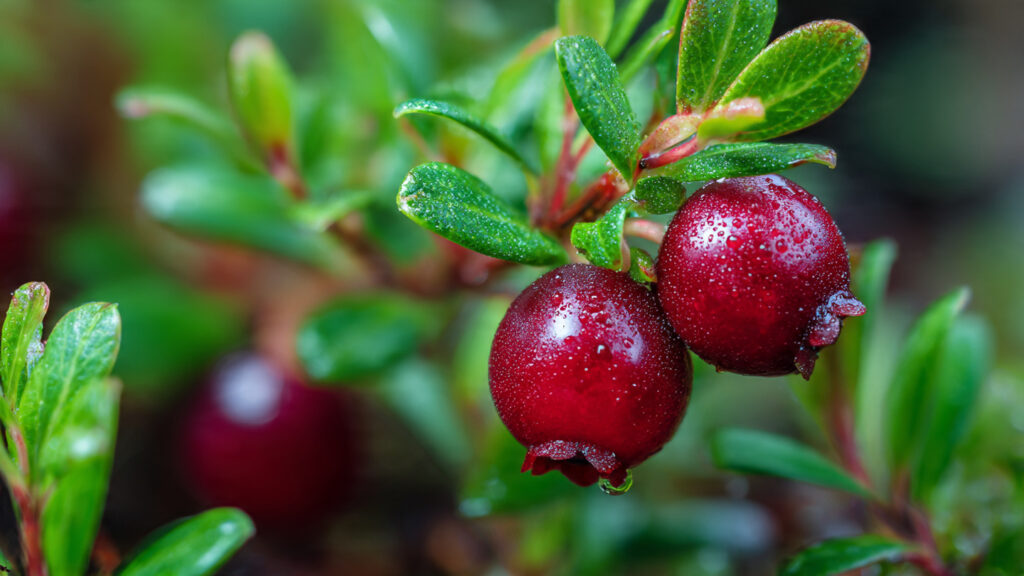
Lingonberries (Vaccinium vitis-idaea) are low-growing, evergreen shrubs celebrated for their tart, flavorful red berries and vibrant green foliage. Popular in Scandinavian cuisine and increasingly valued for their antioxidant-rich fruits, lingonberries are an excellent addition to any home garden. While they are naturally slow-growing, gardeners often want to accelerate growth to enjoy a fuller plant, earlier berry production, and a more attractive garden display. Fortunately, there are several simple, practical techniques to boost lingonberry growth without resorting to chemical shortcuts or complicated gardening hacks.
This guide will walk you through proven strategies to stimulate lingonberry growth, from soil preparation and planting techniques to pruning, fertilization, and environmental management. By following these steps, you can enjoy healthy, vigorous lingonberry plants and a bountiful harvest in less time.
Understanding Lingonberry Growth Habits
Before attempting to accelerate growth, it is essential to understand the natural growth pattern of lingonberries:
- Slow Establishment: Lingonberries can take 2–3 years to establish a strong root system.
- Evergreen Shrubs: Leaves remain green throughout the year, supporting photosynthesis even in cooler seasons.
- Shallow Root System: They prefer well-draining, acidic soil with high organic content.
- Natural Spreading: Lingonberries spread via underground rhizomes, creating dense mats over time.
Recognizing these traits allows gardeners to provide optimal conditions that naturally enhance growth without damaging the plant.
Step 1: Choose the Right Location
Lingonberries thrive in conditions that mimic their native woodland habitat:
- Sunlight: Full sun to partial shade is ideal. While lingonberries tolerate partial shade, full sun encourages faster growth and more abundant fruit.
- Air Circulation: Adequate airflow reduces fungal issues and promotes healthier foliage.
- Protection from Harsh Winds: Shelter plants from strong winds to prevent leaf and stem damage.
- Space Considerations: Leave at least 12–18 inches between plants to allow rhizomes to spread naturally.
Selecting a prime location provides a strong foundation for accelerated growth.
Step 2: Prepare Soil for Optimal Growth
Lingonberries require acidic, well-draining soil rich in organic matter. Proper soil preparation is key:
- pH Level: Maintain a soil pH of 4.5–5.5. Use sulfur or acidic compost to lower pH if necessary.
- Organic Matter: Incorporate peat moss, leaf mold, or compost to enhance fertility and moisture retention.
- Drainage: Avoid waterlogged areas, as excess moisture can lead to root rot.
- Soil Texture: Sandy-loam or loamy soil is ideal. Add sand to improve drainage in heavy clay soils.
Well-prepared soil ensures faster root establishment and supports vigorous above-ground growth.
Step 3: Select Healthy Plants
Starting with strong, healthy lingonberry plants accelerates growth:
- Nursery Plants: Choose young, vigorous plants with firm stems and healthy leaves.
- Check Roots: Look for fibrous, white roots. Avoid plants with damaged or brown roots.
- Propagation: For gardeners using cuttings or divisions, select healthy, disease-free material.
Strong initial plant stock ensures rapid establishment and sustained growth.
Step 4: Planting Techniques for Faster Establishment
Correct planting is crucial for encouraging quick growth:
- Planting Depth: Set plants at the same soil depth as they were in their nursery pots. Avoid burying the crown.
- Spacing: Maintain consistent spacing of 12–18 inches to allow natural spreading.
- Mulching: Apply a 2–3 inch layer of pine needles, bark mulch, or acidic compost to conserve moisture, regulate soil temperature, and suppress weeds.
- Watering: Water immediately after planting and maintain consistent moisture during the establishment phase.
Proper planting promotes root development, which is the foundation for accelerated growth.
Step 5: Watering Strategies
Consistent moisture is critical, especially in the first year:
- Establishment Phase: Keep soil evenly moist but not waterlogged. Lingonberries have shallow roots that are sensitive to drought.
- Mature Plants: Water deeply once or twice a week during dry periods to encourage robust growth.
- Drip Irrigation: Consider using drip irrigation to deliver consistent moisture without wetting foliage, which reduces disease risk.
Balanced watering ensures strong root systems and lush above-ground growth.
Step 6: Fertilization Techniques
Proper nutrition stimulates rapid leaf and berry development:
➡️ How to Grow Malabar Spinach from Cuttings for Fast, Easy Greens
➡️ How to Grow Super Delicious Cabbage at Home Without a Garden
➡️ How to Grow Bean Sprouts at Home in Plastic Bottles Easily (Step‑by‑Step Guide)
➡️ Why is Your Lemon Tree Blooming in the Heart of Winter?
➡️ Why Should Your Garden Have a Dedicated Pollinator Highway?
➡️ Why Do Your Fruit Trees Need a Winter Wash to Thrive in Spring?
➡️ How Can Rice Water Transform Your Fruits into Sweeter Delights?
➡️ Jumpstart Your Winter Garden: Seed Starting Under Lights
- Nitrogen: Moderate nitrogen promotes leaf and stem growth. Avoid over-fertilizing, as excessive nitrogen can reduce berry production.
- Acid-Loving Fertilizer: Use fertilizers formulated for blueberries or azaleas, which are compatible with lingonberry pH requirements.
- Timing: Fertilize in early spring and again in midsummer to encourage growth during peak growing periods.
- Organic Options: Compost, well-rotted manure, or liquid seaweed extracts provide balanced nutrients without harming the soil ecosystem.
Consistent, balanced fertilization encourages vigorous growth and early fruiting.
Step 7: Pruning to Stimulate Growth
Pruning helps redirect energy to new shoots and encourages denser foliage:
- Remove Dead or Weak Stems: Cut away old or damaged branches to stimulate new growth.
- Thin Crowded Areas: Improve airflow and light penetration by thinning dense clumps.
- Encourage Rhizome Spread: Light pruning of central areas encourages lateral rhizome growth, expanding the plant naturally.
Pruning not only maintains plant health but accelerates overall growth.
Step 8: Sunlight and Temperature Management
Lingonberries are adapted to cooler climates but benefit from moderate warmth:
- Full Sun Exposure: Encourages photosynthesis, leaf development, and berry production.
- Shade Protection: In regions with intense summer heat, partial shade reduces leaf scorch.
- Microclimate Adjustment: Plant near structures or under partial tree cover to protect from harsh winds and temperature extremes.
Optimizing light and temperature helps plants grow faster and produce more foliage and berries.
Step 9: Mulching for Soil Health and Growth
Mulch not only conserves moisture but also supports growth:
- Pine Needles or Bark: Acidic mulches maintain soil pH and improve root development.
- Regular Replenishment: Refresh mulch annually to retain benefits.
- Weed Control: Mulching reduces competition, allowing plants to focus energy on growth.
Mulch creates ideal soil conditions that accelerate both root and shoot growth.
Step 10: Encourage Rhizome Expansion
Lingonberries naturally spread via rhizomes, creating dense mats:
- Space Management: Leave adequate room for rhizomes to spread without obstruction.
- Soil Aeration: Lightly loosen soil around plants to encourage lateral growth.
- Minimal Disturbance: Avoid excessive digging near rhizomes, which can slow expansion.
Encouraging rhizome growth accelerates the formation of dense, mature plants.
Step 11: Pest and Disease Management
Healthy plants grow faster, so proactive pest and disease control is essential:
- Common Pests: Aphids, spider mites, and leafhoppers.
- Common Diseases: Leaf spot, powdery mildew, and root rot.
- Preventive Measures: Maintain spacing for airflow, avoid waterlogged soil, and use organic insecticidal sprays when needed.
By minimizing stress and damage, plants can focus energy on growth rather than defense.
Step 12: Seasonal Care
Adjust care based on seasonal needs:
- Spring: Fertilize and mulch to kickstart growth.
- Summer: Maintain moisture and prune as necessary.
- Autumn: Remove dead foliage and prepare plants for winter dormancy.
- Winter: In colder climates, apply additional mulch to protect roots from frost.
Seasonally tailored care promotes continuous, accelerated growth.
Step 13: Companion Planting
Lingonberries benefit from nearby plants with complementary growth habits:
- Acid-Loving Plants: Blueberries, azaleas, and rhododendrons improve soil conditions and aesthetics.
- Pollinator-Friendly Flowers: Attract bees to improve berry yield.
- Ground Covers: Low-growing plants reduce soil erosion and retain moisture.
Companion planting enhances growth and creates a healthy garden ecosystem.
Step 14: Harvest and Encouraging Further Growth
Proper harvesting ensures continued energy for vegetative growth:
- Harvest Timing: Pick berries when fully red and firm.
- Partial Harvest: Leave some berries to support plant health and attract pollinators.
- Regular Harvesting: Encourages new flower and berry production for following seasons.
Strategic harvesting helps maintain plant vigor while promoting further growth.
Step 15: The Benefits of Accelerated Growth
By implementing these techniques, gardeners can achieve:
- Earlier Berry Production: Enjoy fruits sooner than usual.
- Fuller Plants: Dense, lush foliage improves aesthetics and supports more berries.
- Higher Yield: Healthier plants produce more berries per season.
- Efficient Garden Management: Faster-growing plants reduce the time needed for maintenance and increase productivity.
Accelerated growth combines beauty, productivity, and culinary satisfaction in one package.
Final Thoughts
Accelerating lingonberry growth is achievable with careful attention to soil, sunlight, watering, fertilization, pruning, and seasonal management. By creating optimal conditions and employing simple, natural techniques, gardeners can enjoy faster establishment, denser plants, and earlier fruit production.
Key takeaways:
- Select healthy plants and prepare acidic, nutrient-rich soil.
- Plant in a sunny, well-drained location with space for rhizome expansion.
- Maintain consistent moisture and use mulch to regulate soil conditions.
- Fertilize moderately and prune strategically to promote dense growth.
- Protect plants from pests, diseases, and extreme conditions.
- Harvest thoughtfully to sustain energy for continued growth.
By following these simple techniques, your lingonberry plants will thrive, providing a bountiful harvest of nutritious berries and creating a visually appealing, evergreen groundcover in your garden.