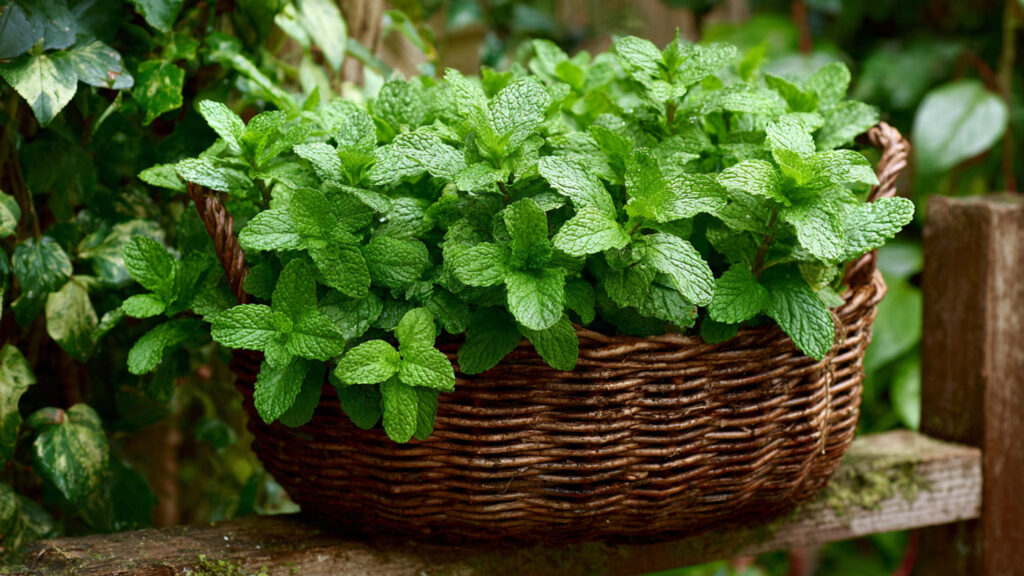
Few herbs are as versatile, aromatic, and easy to grow as mint. From refreshing teas and cocktails to culinary dishes and garnishes, fresh mint leaves elevate countless recipes. Growing mint in a hanging basket is not only a space-saving solution for small gardens or apartments, but it also ensures you have a constant supply of vibrant, flavorful leaves year-round. This guide walks you through simple, step-by-step methods to successfully cultivate mint in hanging baskets, ensuring your kitchen is always stocked with this fragrant herb.
Why Grow Mint in a Hanging Basket?
Mint is a resilient herb that thrives in various conditions, but it can also spread aggressively in garden beds. Growing it in a hanging basket offers several benefits:
- Space Efficiency – Perfect for small balconies, patios, or indoor spaces.
- Controlled Growth – Prevents mint from overtaking your garden since it’s contained.
- Easy Harvesting – Hanging baskets bring mint to eye level, making it convenient to snip fresh leaves.
- Aesthetic Appeal – Cascading mint leaves add greenery and charm to any outdoor or indoor area.
- Year-Round Availability – With proper care, you can enjoy fresh mint leaves in every season.
Step 1: Choosing the Right Mint Variety
There are many varieties of mint, each with distinct flavors and growth habits. Popular options for hanging baskets include:
- Peppermint – Strong, refreshing flavor, ideal for teas and desserts.
- Spearmint – Mild, sweet flavor, perfect for culinary use.
- Chocolate Mint – Subtle chocolate aroma, great for drinks and desserts.
- Apple Mint – Fruity flavor, excellent for salads and garnish.
Choose a variety based on your intended use and flavor preference. For beginners, spearmint is often recommended due to its hardiness and ease of growth.
Step 2: Selecting a Hanging Basket
The choice of basket significantly impacts the success of your mint cultivation:
- Size – Choose a basket at least 10–12 inches in diameter to allow ample room for root growth.
- Material – Plastic baskets retain moisture longer, while coconut fiber or wire baskets provide better aeration.
- Drainage – Ensure the basket has good drainage holes to prevent waterlogging and root rot.
- Lining – For baskets with large gaps, line them with coconut coir or sphagnum moss to hold soil while allowing excess water to drain.
A sturdy basket with proper drainage keeps your mint healthy and thriving throughout the year.
Step 3: Preparing the Soil
Mint thrives in nutrient-rich, well-draining soil. To prepare the perfect mix:
- Use Potting Mix – A high-quality potting mix is ideal. Avoid garden soil, which can be too heavy.
- Add Organic Matter – Mix in compost or aged manure to enrich the soil and retain moisture.
- Optional Perlite or Sand – Improves drainage and prevents compacted soil.
- Slightly Acidic to Neutral pH – Mint prefers a pH between 6.0 and 7.0.
Proper soil preparation ensures your mint receives sufficient nutrients while preventing waterlogging issues.
Step 4: Planting Mint in the Hanging Basket
You can grow mint from seeds, cuttings, or small plants. Cuttings and young plants are easier for beginners:
- Prepare the Plant – Trim damaged or wilted leaves from your mint plant.
- Plant Depth – Dig a hole deep enough for the roots without bending them.
- Spacing – If planting multiple cuttings, leave about 3–4 inches between each for adequate airflow.
- Watering – Water thoroughly after planting to help the roots settle.
Tip: Mint is fast-growing, so give it enough room to spread in the basket without overcrowding.
Step 5: Placement and Light Requirements
Mint grows best with moderate sunlight and some shade:
- Outdoor Hanging Basket – Place in partial sunlight, ideally 3–4 hours of morning sun. Afternoon shade protects leaves from scorching.
- Indoor Hanging Basket – Keep near a bright window with indirect sunlight. Supplement with grow lights if natural light is insufficient.
- Air Circulation – Good airflow reduces the risk of fungal diseases and keeps leaves healthy.
Proper placement ensures robust growth and vibrant leaves year-round.
Step 6: Watering and Maintenance
Mint prefers consistently moist soil but does not tolerate waterlogged conditions:
- Watering Frequency – Water whenever the top inch of soil feels dry. Hanging baskets dry out faster, so check soil regularly.
- Drainage Check – Ensure excess water drains freely to prevent root rot.
- Mulching – Add a thin layer of mulch or coconut coir on top to retain moisture and regulate temperature.
Mint is forgiving, but consistent watering and soil care promote healthier, more flavorful leaves.
Step 7: Fertilizing Your Mint
Nutrient management is essential for vibrant growth:
➡️ How to Grow Malabar Spinach from Cuttings for Fast, Easy Greens
➡️ How to Grow Super Delicious Cabbage at Home Without a Garden
➡️ How to Grow Bean Sprouts at Home in Plastic Bottles Easily (Step‑by‑Step Guide)
➡️ Why is Your Lemon Tree Blooming in the Heart of Winter?
➡️ Why Should Your Garden Have a Dedicated Pollinator Highway?
➡️ Why Do Your Fruit Trees Need a Winter Wash to Thrive in Spring?
➡️ How Can Rice Water Transform Your Fruits into Sweeter Delights?
➡️ Jumpstart Your Winter Garden: Seed Starting Under Lights
- Organic Fertilizers – Use compost tea, fish emulsion, or liquid seaweed every 4–6 weeks.
- Balanced Fertilizer – A mild NPK (10-10-10) fertilizer promotes lush foliage.
- Avoid Over-Fertilization – Too much nitrogen encourages leafy growth but reduces flavor intensity.
Regular, balanced fertilization helps mint grow vigorously and maintain its aromatic flavor.
Step 8: Pruning and Harvesting
Pruning not only keeps mint attractive but also stimulates fresh growth:
- Regular Pinching – Pinch off top leaves frequently to encourage bushier growth.
- Harvesting Tips – Snip stems above a pair of leaves to encourage branching.
- Avoid Flowering – Remove flowers to maintain flavor and prolong leaf production.
Tip: Harvest leaves in the morning when essential oils are at their peak for maximum aroma and taste.
Step 9: Controlling Pests and Diseases
Mint is generally hardy but can be affected by pests and fungal issues:
- Common Pests – Aphids, spider mites, and whiteflies.
- Fungal Diseases – Powdery mildew can develop in humid, poorly ventilated areas.
- Prevention – Maintain good airflow, avoid overhead watering, and remove affected leaves promptly.
- Natural Remedies – Spray with neem oil or insecticidal soap for organic pest control.
Regular observation and preventive care keep your mint plants healthy and productive.
Step 10: Overwintering Your Mint
Mint can thrive year-round with proper winter care:
- Indoor Transition – Move outdoor baskets indoors during frost or cold temperatures.
- Reduce Watering – Mint grows slower in winter, so water less frequently.
- Adequate Light – Ensure 6–8 hours of light, either natural or supplemented with grow lights.
- Pruning – Trim back growth to encourage fresh spring regrowth.
With the right care, your hanging basket mint can flourish all year, even in colder climates.
Tips for Beginner Gardeners
- Start Small – Begin with one hanging basket and expand once you gain confidence.
- Label Varieties – If growing multiple types, labeling prevents confusion during harvesting.
- Rotate Hanging Baskets – Outdoor baskets benefit from occasional rotation to ensure even sunlight exposure.
- Keep Notes – Track watering, pruning, and harvesting to improve growth over time.
Mint is forgiving and fast-growing, making it ideal for beginners seeking quick results and continuous harvests.
Conclusion
Growing mint in a hanging basket is an easy, practical, and rewarding way to enjoy fresh herbal flavors year-round. By following these simple steps—from selecting the right variety and preparing the soil to proper watering, pruning, and pest management—you can cultivate lush, aromatic mint that enhances your culinary creations. Whether for teas, desserts, or savory dishes, having fresh mint at your fingertips transforms everyday meals into flavorful experiences.
With a little patience and consistent care, your hanging basket mint can flourish in any space, providing both beauty and utility. Start today, and soon you’ll have a thriving mint plant ready to enrich your kitchen with its vibrant, aromatic leaves throughout the year.