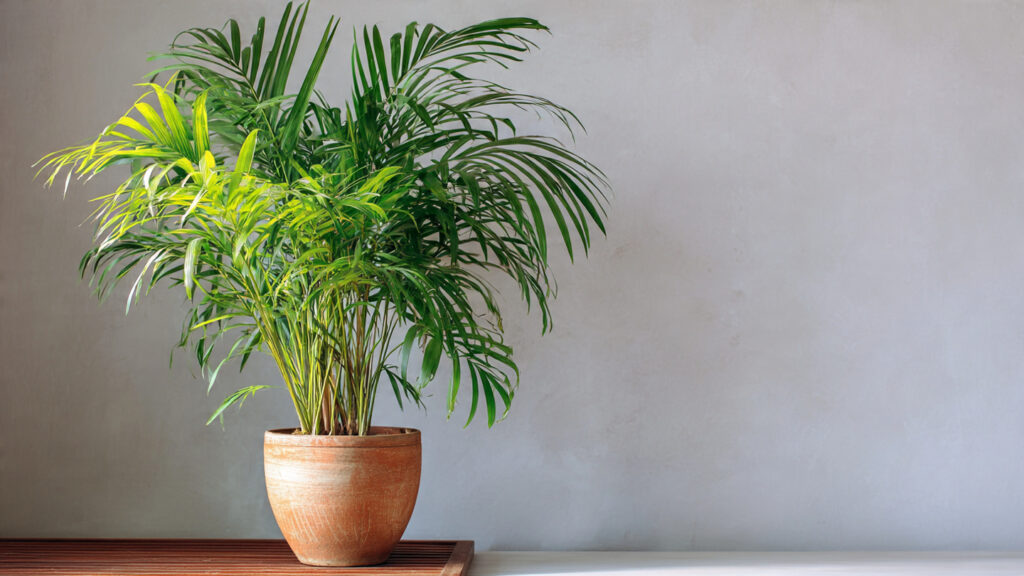
Indoor plants have become a staple of modern homes, bringing life, color, and a sense of tranquility to any space. Among the many houseplants, Areca palms (Dypsis lutescens) stand out for their graceful, feathery fronds and ability to transform a room into a tropical oasis. However, achieving a lush, bushy Areca palm indoors can be a challenge if you don’t know the proper techniques.
In this article, we’ll explore simple and effective methods to grow healthy, dense, and vibrant Areca palms indoors, covering everything from lighting and watering to pruning and propagation. By following these tips, you can enjoy a stunning, tropical centerpiece without the guesswork.
Understanding the Areca Palm
The Areca palm, also called the butterfly palm or golden cane palm, is a popular indoor plant prized for its feathery, arching fronds and elegant presence. Native to Madagascar, these palms can grow tall and wide, providing both visual appeal and air-purifying benefits.
Key characteristics:
- Fronds: Long, feathery, and arching, giving a graceful appearance.
- Growth: Can reach up to 6–7 feet indoors under optimal conditions.
- Air purification: Helps filter toxins, making it ideal for indoor environments.
- Care level: Moderate, but highly rewarding when proper techniques are applied.
Knowing the plant’s natural preferences is crucial for replicating its tropical environment indoors and encouraging bushy growth.
1. Choosing the Right Container and Soil
The foundation of a healthy Areca palm begins with proper potting and soil selection.
Container tips:
- Use a pot with drainage holes to prevent waterlogging, which can cause root rot.
- A slightly wider pot encourages lateral growth and bushier foliage.
- Avoid excessively deep pots; Areca palms prefer shallow, well-draining soil.
Soil tips:
- Use a light, airy potting mix, ideally a combination of peat moss, sand, and perlite.
- Soil should retain moisture but drain easily.
- Avoid heavy clay soils that retain water and suffocate roots.
Providing the right container and soil sets the stage for vibrant, healthy growth, ensuring your Areca palm develops multiple stems and bushy fronds.
2. Lighting Requirements for Bushy Growth
Areca palms thrive in bright, indirect light, mimicking the filtered sunlight of their native habitat. Proper lighting is one of the simplest ways to promote lush foliage indoors.
Tips for optimal light:
- Place near east- or west-facing windows to provide gentle morning or afternoon sunlight.
- Avoid direct, harsh sunlight, which can scorch the fronds.
- In low-light conditions, supplement with grow lights to maintain healthy growth.
Lack of adequate light causes slow growth, thin stems, and sparse fronds, while consistent bright light encourages the plant to produce more lateral shoots and denser foliage.
3. Watering and Humidity
Areca palms require consistent moisture, but overwatering is a common mistake among indoor gardeners.
Watering tips:
- Keep the soil evenly moist but never waterlogged. Allow the top inch of soil to dry before watering again.
- Reduce watering slightly during winter, when the plant’s growth slows down.
- Use room-temperature water to avoid shocking the roots.
Humidity tips:
➡️ How to Grow Malabar Spinach from Cuttings for Fast, Easy Greens
➡️ How to Grow Super Delicious Cabbage at Home Without a Garden
➡️ How to Grow Bean Sprouts at Home in Plastic Bottles Easily (Step‑by‑Step Guide)
➡️ Why is Your Lemon Tree Blooming in the Heart of Winter?
➡️ Why Should Your Garden Have a Dedicated Pollinator Highway?
➡️ Why Do Your Fruit Trees Need a Winter Wash to Thrive in Spring?
➡️ How Can Rice Water Transform Your Fruits into Sweeter Delights?
➡️ Jumpstart Your Winter Garden: Seed Starting Under Lights
- Areca palms thrive in moderate to high humidity (50–60%).
- Mist the fronds regularly or place the pot on a humidity tray filled with water and pebbles.
- Grouping plants together can naturally increase humidity in indoor spaces.
Proper watering and humidity encourage new fronds to emerge and existing fronds to remain vibrant, giving the palm a full, lush appearance.
4. Fertilization for Healthy Foliage
Nutrient-rich soil is essential for promoting bushy growth in Areca palms. Fertilization helps maintain deep green fronds and vigorous lateral shoots.
Fertilizer tips:
- Use a balanced, slow-release palm fertilizer with micronutrients like magnesium and manganese.
- Apply fertilizer every 6–8 weeks during the growing season (spring through summer).
- Avoid over-fertilization, which can burn roots or cause yellowing tips.
Proper nutrition ensures the plant allocates energy to both vertical and lateral growth, resulting in a dense, tropical look.
5. Pruning and Maintenance
Regular pruning is a hidden key to achieving a bushy Areca palm indoors. While palms should not be over-pruned, strategic trimming encourages new growth and fuller fronds.
Pruning tips:
- Remove yellowing, brown, or damaged fronds at the base to redirect energy to healthy shoots.
- Trim only what is necessary; over-pruning can stress the plant.
- Avoid cutting green fronds unnecessarily, as they are essential for photosynthesis.
Maintenance tips:
- Dust fronds gently with a damp cloth to keep the surface clean and maximize light absorption.
- Check for pests such as spider mites or scale insects, which can stunt growth.
With proper pruning and maintenance, Areca palms can develop multiple stems, creating a naturally bushy and full appearance.
6. Encouraging Lateral Growth
The bushiness of Areca palms depends on stimulating lateral shoots. Unlike some palms that grow a single trunk, Areca palms naturally produce multiple stems if conditions are favorable.
Techniques to encourage lateral growth:
- Provide sufficient light on all sides of the plant to prevent leaning.
- Rotate the pot occasionally to expose all sides to light.
- Ensure consistent watering and fertilization to reduce stress.
- Divide clumps when repotting to encourage new shoots from the base.
Following these techniques ensures that your Areca palm develops a natural, dense, and bushy structure rather than a sparse, lanky appearance.
7. Repotting and Root Care
Repotting every 2–3 years is essential to maintain vigor and bushiness. Areca palms can become root-bound, limiting growth and reducing the number of lateral shoots.
Repotting tips:
- Choose a pot slightly larger than the current one, allowing room for new roots.
- Gently separate the clumps if multiple stems exist, encouraging lateral growth.
- Refresh the potting soil with a mix that retains moisture while providing good drainage.
Proper repotting rejuvenates the plant, stimulates new fronds, and supports a fuller appearance.
8. Controlling Indoor Stress Factors
Indoor conditions can stress Areca palms, affecting growth and foliage density. Common stressors include:
- Temperature fluctuations: Avoid placing the palm near heaters, air conditioners, or drafty windows.
- Low humidity: Use humidifiers or pebble trays to maintain ideal humidity levels.
- Insufficient light: Supplement with artificial grow lights if needed.
Minimizing these stress factors ensures that the palm allocates energy to healthy frond production rather than survival, promoting bushiness.
9. Propagation for a Fuller Display
Propagation can help maintain a lush, multi-stemmed look by increasing the number of plants or stems in a display. Areca palms can be propagated through division of clumps:
- Remove the plant from its pot and gently separate individual stems with healthy roots.
- Repot each division in a slightly larger container with well-draining soil.
- Keep them in a warm, humid environment until established.
Propagation allows gardeners to create multiple bushy palms, enhancing the tropical feel indoors.
Conclusion
Growing a lush, bushy Areca palm indoors doesn’t have to be complicated. By following simple, effective techniques, you can enjoy a full, vibrant palm that brings elegance and tranquility to your home.
Key strategies include:
- Using the right container and well-draining soil.
- Providing bright, indirect light and maintaining proper humidity.
- Consistent watering and balanced fertilization to support growth.
- Pruning strategically to encourage lateral shoots and maintain health.
- Repotting and propagating to rejuvenate and densify the plant.
- Minimizing indoor stressors such as drafts, temperature fluctuations, and low humidity.
With attention to these core principles, your Areca palm will thrive, producing lush, arching fronds that create a stunning indoor focal point. Whether you’re a novice gardener or a seasoned plant enthusiast, these simple techniques make growing bushy Areca palms indoors both easy and rewarding.