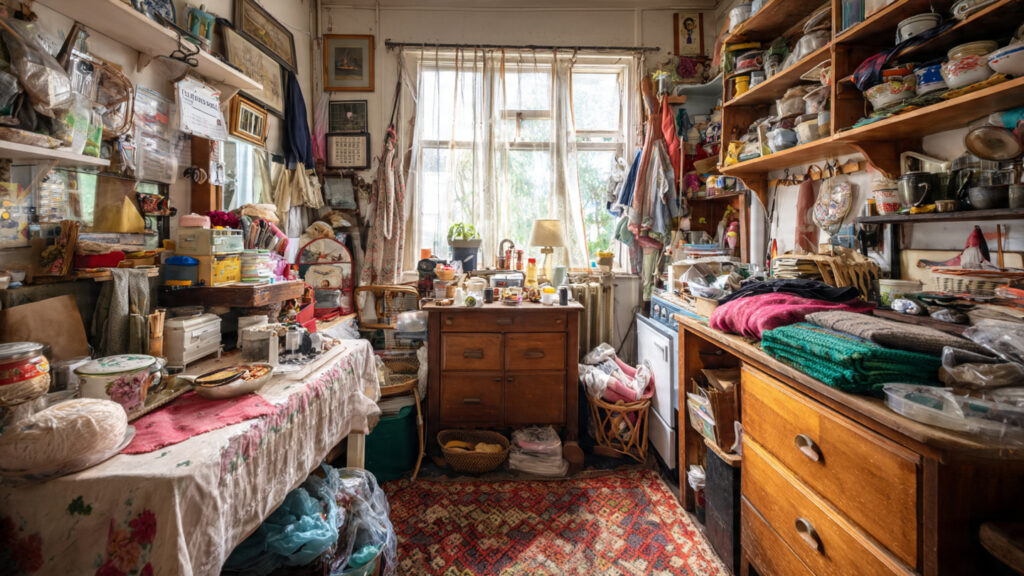
A tidy home is more than just a visually appealing space; it’s a reflection of systems, habits, and subtle patterns that often go unnoticed. While many people see a clean room or an organized closet and think it’s merely about dusting or arranging items, there is a deeper structure at work—a hidden order that keeps homes functional, calm, and inviting. Understanding this order can transform not only how we maintain our spaces but also how we experience our daily lives.
The Psychology of Tidy Spaces
Tidy spaces don’t happen by accident. Behind every neatly arranged home lies a combination of human psychology and structured routines. Research in environmental psychology shows that cluttered spaces can trigger stress, anxiety, and even impaired decision-making. Conversely, organized spaces:
- Promote mental clarity
- Encourage productive habits
- Enhance well-being and calm
This hidden order is not just about having a place for everything but about creating a system that aligns with human behavior. When the design of a home anticipates daily routines, even simple acts like placing keys on a designated tray or storing shoes near the door become part of a seamless rhythm.
Systems Thinking in Home Organization
At the core of tidy homes lies a principle borrowed from systems thinking: every item and space has a purpose and a flow. This approach involves looking beyond surface-level cleaning and considering how objects interact with daily life:
- Zones of function: Kitchens, bedrooms, and living areas are subdivided into zones based on activity. For example, a kitchen may have a cooking zone, a prep zone, and a storage zone.
- Accessible storage: Items used frequently are placed within easy reach, while rarely used items are stored higher or deeper in cabinets.
- Minimization of friction: The fewer obstacles between a person and the task they want to complete, the more likely the space will remain tidy.
This invisible logic is why some homes feel effortlessly organized—residents don’t constantly struggle against clutter because the system works with them rather than against them.
Daily Habits That Reveal Hidden Order
Tidy homes are less about perfection and more about small, consistent habits. Many people overlook the seemingly minor actions that reinforce order:
- Returning items immediately: The simple act of putting things back after use prevents accumulation of clutter.
- Sorting by category: Grouping similar items—books, office supplies, or pantry goods—creates natural boundaries and makes retrieval easy.
- Scheduled maintenance: Quick daily or weekly tidying sessions keep clutter from building up, maintaining the home’s equilibrium.
These habits may seem mundane, but they form the backbone of the hidden order that keeps homes functional without requiring Herculean cleaning efforts.
The Role of Aesthetics in Hidden Order
Humans are naturally drawn to patterns and symmetry. A tidy home often aligns with principles of visual order, which enhances comfort and satisfaction:
- Alignment and symmetry: Even simple arrangements of furniture, books, or décor can create a sense of calm.
- Consistent color palettes: Cohesive colors reduce visual noise, allowing spaces to feel open and harmonious.
- Intentional minimalism: By carefully selecting what stays and what goes, homeowners create breathing room, both physically and mentally.
This aesthetic order is part of the hidden system, subtly guiding residents and visitors to feel a sense of calm and clarity.
Technology Meets Tidy Homes
Modern technology has made it easier to maintain order. Hidden systems in homes now often include smart tools and apps:
- Smart storage solutions: Modular shelving, labeled containers, and pull-out drawers maximize space efficiency.
- Home inventory apps: Tracking items digitally helps prevent overbuying and keeps closets, pantries, and garages organized.
- Automated routines: Robot vacuums, dishwasher timers, and smart laundry notifications reduce the burden of repetitive tasks, reinforcing the home’s underlying order.
Technology doesn’t replace good habits, but it strengthens them, making the hidden order more sustainable.
Clutter as a Signal of Systemic Breakdown
When a home becomes messy, it’s often a signal that the underlying system is failing. Clutter rarely appears at random—it usually points to:
- Inefficient storage solutions
- Inconsistent daily routines
- Misalignment between the space’s design and actual use
By observing where clutter accumulates, homeowners can identify weak points in the hidden order and make adjustments. For instance, a constantly messy kitchen counter may indicate insufficient prep space or poorly placed appliances.
The Emotional Impact of Organized Spaces
Beyond physical benefits, tidy homes have profound emotional effects. The hidden order creates an environment where:
- Stress is reduced: A clear environment leads to a clearer mind, making relaxation easier.
- Creativity is enhanced: An organized space frees cognitive bandwidth for creative thinking.
- Social interactions improve: Homes that feel orderly encourage hosting and connection without anxiety over mess.
In essence, the hidden order is not just a practical tool—it’s a form of emotional architecture that shapes how residents live and feel.
➡️ How to Grow Malabar Spinach from Cuttings for Fast, Easy Greens
➡️ How to Grow Super Delicious Cabbage at Home Without a Garden
➡️ How to Grow Bean Sprouts at Home in Plastic Bottles Easily (Step‑by‑Step Guide)
➡️ Why is Your Lemon Tree Blooming in the Heart of Winter?
➡️ Why Should Your Garden Have a Dedicated Pollinator Highway?
➡️ Why Do Your Fruit Trees Need a Winter Wash to Thrive in Spring?
➡️ How Can Rice Water Transform Your Fruits into Sweeter Delights?
➡️ Jumpstart Your Winter Garden: Seed Starting Under Lights
Cultivating Hidden Order in Your Home
Discovering the hidden order behind tidy homes requires intention, observation, and consistent action. Here’s how to start:
- Observe your habits: Notice how you move through your home and where clutter tends to accumulate.
- Create zones and systems: Design spaces around function and frequency of use.
- Adopt small daily routines: Incorporate habits like immediate item return, sorting, and quick tidy-ups.
- Evaluate aesthetics and flow: Adjust arrangements to minimize visual chaos and maximize ease of movement.
- Leverage technology where helpful: Use smart storage, automation, and digital tracking to reinforce order.
By following these steps, you can uncover the hidden logic behind your home, transforming it into a space that supports both efficiency and well-being.
Conclusion: The Beauty of Hidden Order
A tidy home is more than just clean surfaces or organized closets. It is a living system, quietly operating according to principles of flow, habit, and intentional design. The hidden order in a home enables not only physical organization but also emotional balance, creativity, and productivity. By recognizing and cultivating this hidden structure, homeowners can move beyond simple tidying and discover a deeper harmony in their living spaces.
In a world full of noise, distractions, and clutter, discovering the hidden order behind tidy homes is a powerful way to reclaim control, create peace, and enjoy the profound satisfaction of a space that truly works for you.